
Colombia's president blames ex-FARC dissidents for Villavicencio car bomb
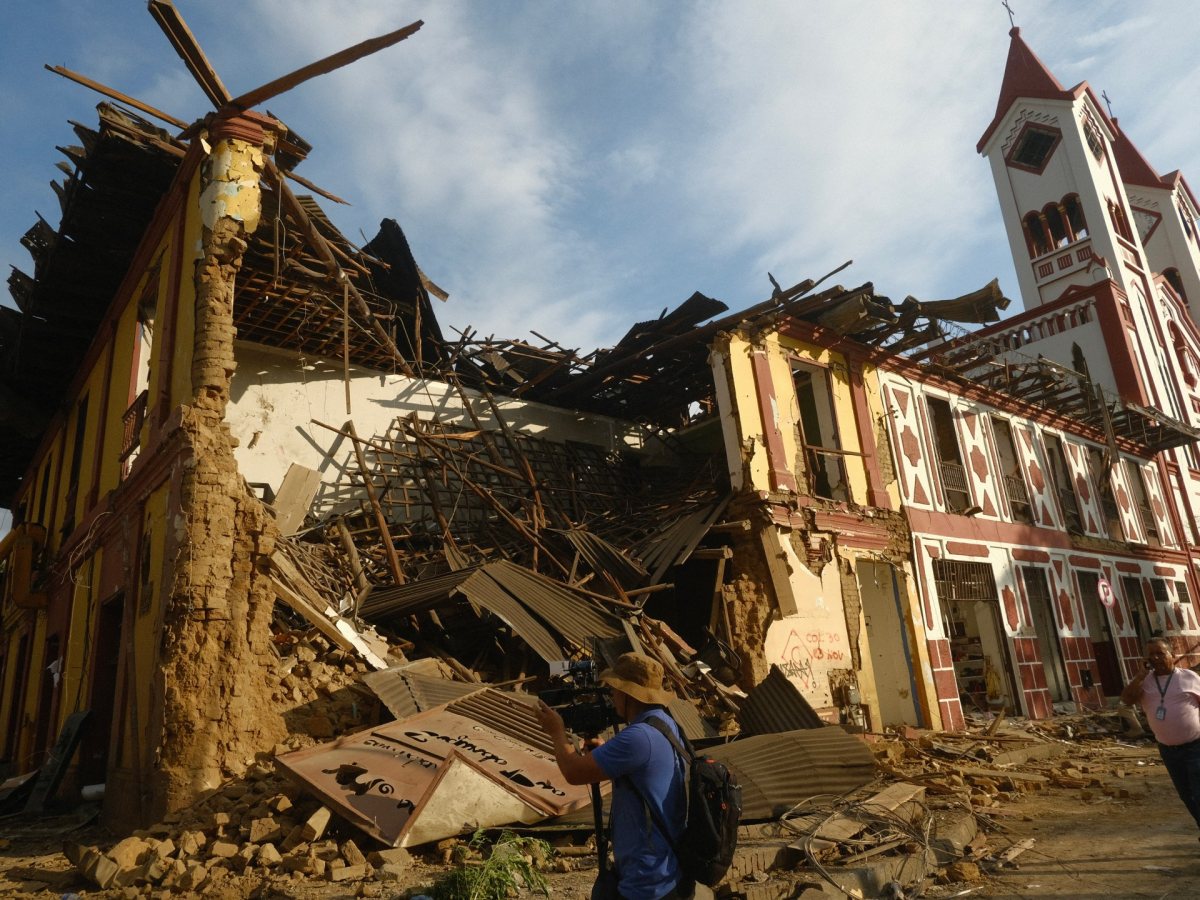
Colombian President Abelardo de la Espriella has accused former FARC rebels of carrying out a car bomb attack on a state government building in the city of Villavicencio. The blast injured at least 23 people, according to Al Jazeera.
Speaking during a visit to the city on Tuesday, the president named Antonio Medina, a commander in the Central General Staff (EMC) rebel group, as the man behind the bombing. He said the attack was revenge for government military operations in the province.
"We're going to go after him and make him pay with blood," de la Espriella told reporters, referring to Medina.
Heavy explosive used
The bomb went off the night before at the seat of government in Meta, a province that lies south-east of the capital, Bogota. The building houses the governor's office. Video footage showed serious damage to the structure as well as to nearby businesses and vehicles.
Ricardo Alarcon, head of operations at the National Police, told local media that early tests suggested the vehicle had been packed with between 80kg and 100kg of pentolite. The powerful explosive is used in military warheads and in civilian mining.
A former FARC stronghold
Meta was historically a core territory of the Revolutionary Armed Forces of Colombia (FARC), which formally disbanded after a landmark peace agreement in 2016. The attack came on the eve of the agreement's 10th anniversary.
Since the deal, dissident fighters who either rejected disarmament or later went back to fighting have tightened their grip on the province. Meta serves as a gateway to coca plantations, gold mining areas and drug trafficking routes in the Amazon River Basin.
The strongest of these groups is the EMC, led by a man known as Ivan Mordisco, who is among Colombia's most wanted fugitives. Earlier this year, the government offered a reward of 5 billion pesos, about $1.4m, for his capture or killing.
Security crackdown
The government has stepped up pressure on the EMC in recent months, carrying out air strikes on its camps and targeting its senior figures. A day before his visit to Villavicencio, the president confirmed that an EMC commander known as El Churco had been killed.
The offensive forms part of the far-right administration's shift towards using military force against criminal organisations. It has also halted peace talks that were started by the previous government.
In a post on X on Tuesday morning, de la Espriella described the armed groups as "narco-terrorists" carrying out desperate attacks because, he said, they knew they were being defeated.
Warning over civilian risks
Experts say the bombing shows the rising danger to ordinary people under the government's hardline security approach, Al Jazeera reported.
Elizabeth Dickinson, deputy director for Latin America at the International Crisis Group, said that as state pressure grows, armed and criminal groups try to make that pressure costly for the government. She said they do this by spreading fear and directly harming communities and civilians.
No group had publicly claimed responsibility for the attack, according to the information available in the Al Jazeera report.
This story was prepared by the Hamasta Newsdesk with AI assistance, based on reporting by Al Jazeera. Read the original report. Photo: Al Jazeera.



Grow an audience that listens.
Social media management, digital campaigns and online storytelling that converts.



More in International
See all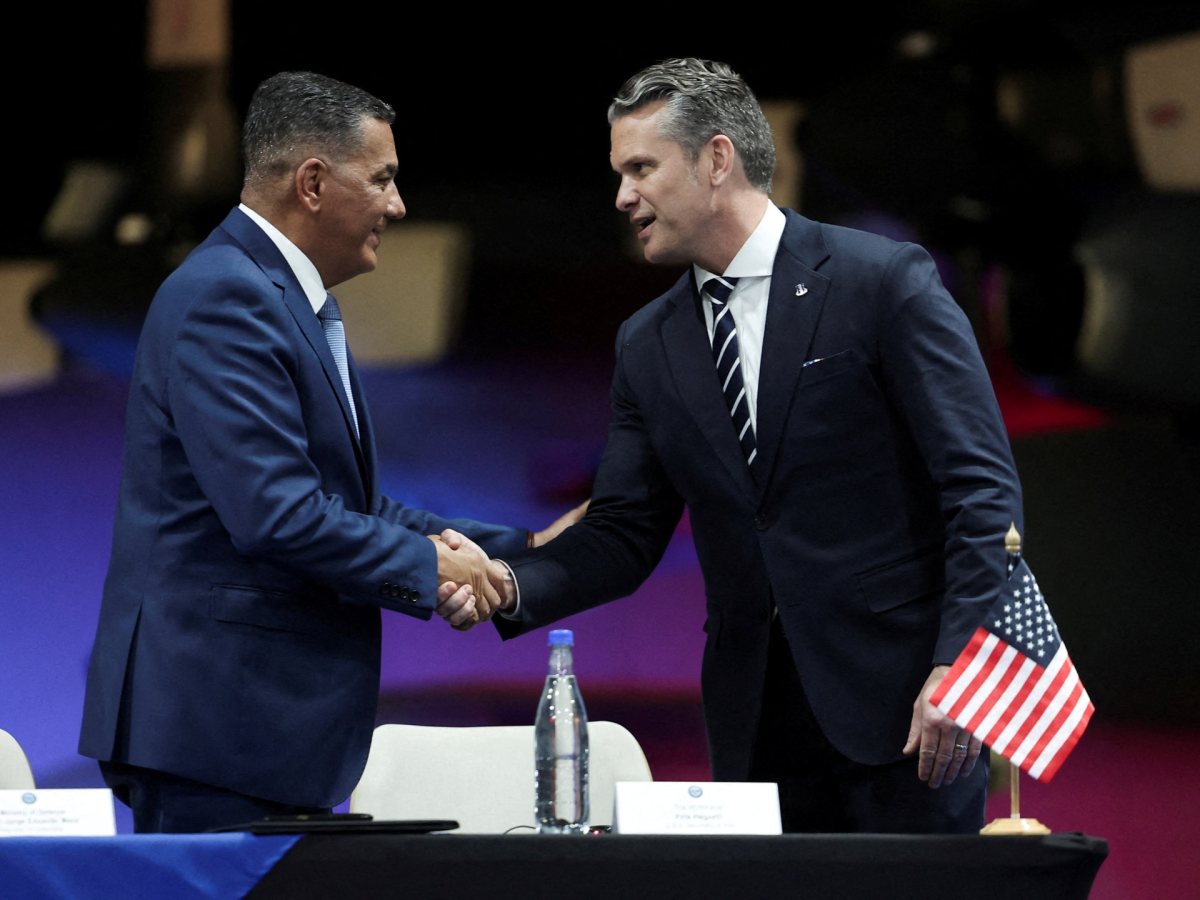
Hegseth hails US-Colombia security ties as Bogota set to host anti-cartel coalition
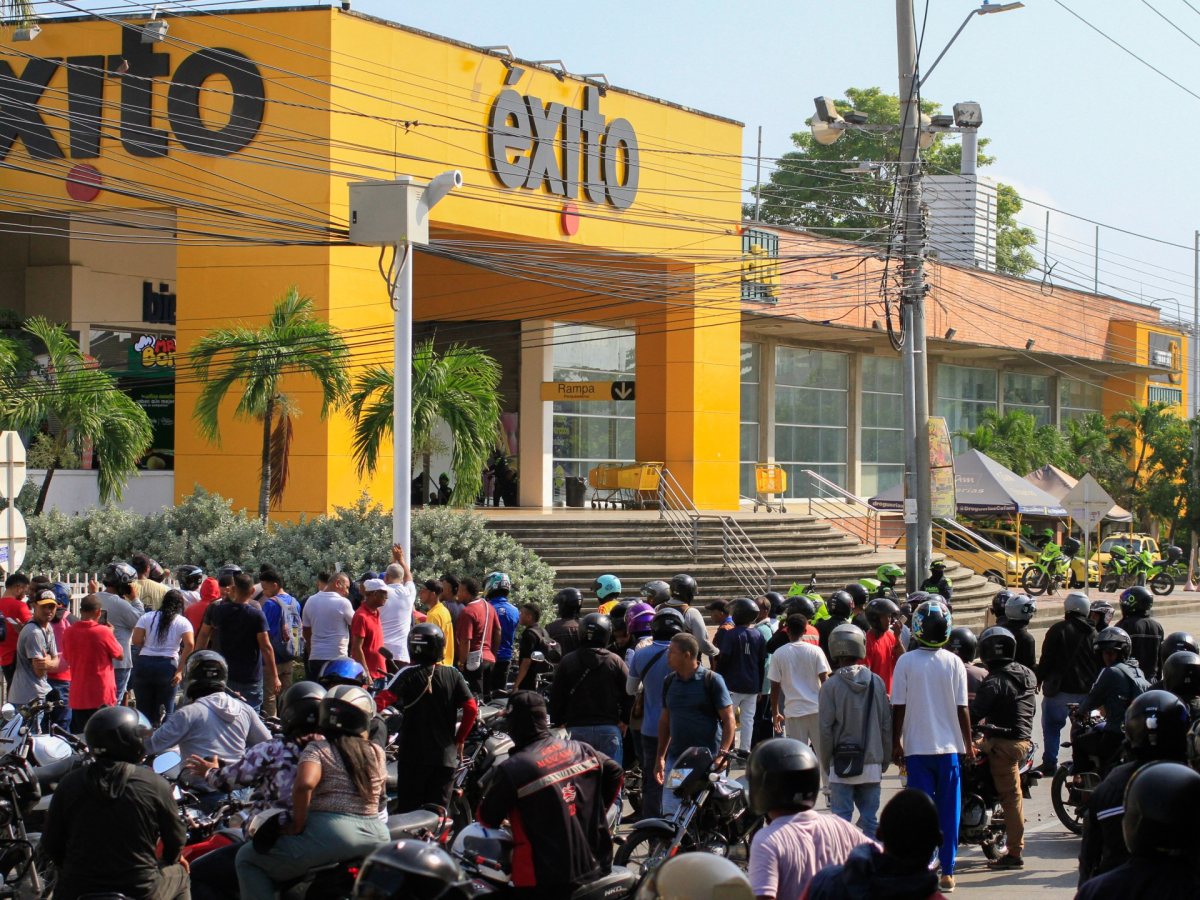
About 25 held hostage in Colombian supermarket after failed armoured van robbery
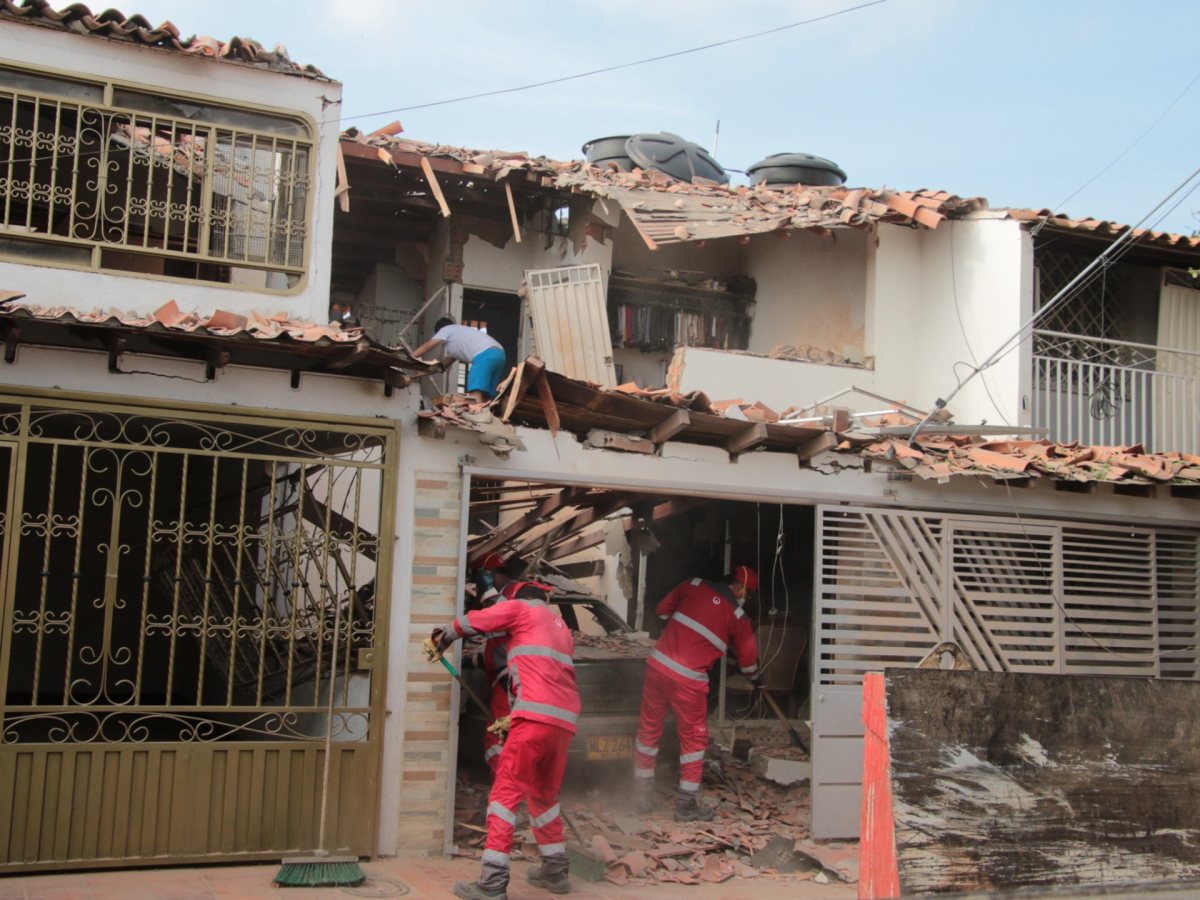
Drone strike on Colombian police base in Cucuta injures infant and two others
Thousands march across Colombia against tax plans as US military row grows
Taliban accuse Pakistan of backing armed groups opposed to their rule
Global Community Remarks
0