
US Army to blow up 4.5 tonnes of unstable lead azide in Iowa despite toxic lead fears
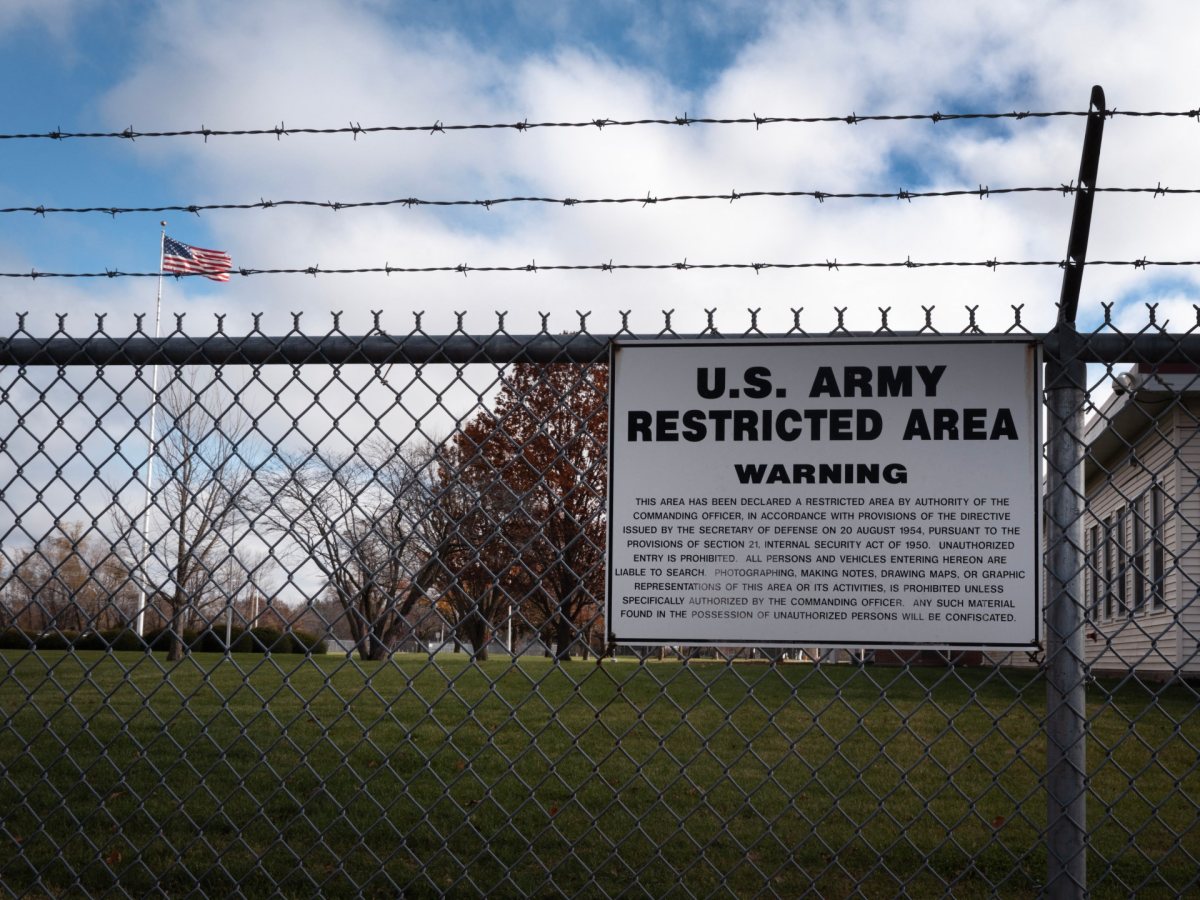
The United States Army says it will destroy nearly 4,500kg of deteriorating lead azide in two rapid, back-to-back controlled detonations in Iowa on Wednesday, pressing ahead despite warnings that the blasts could spread toxic lead across a wide area, according to Al Jazeera.
The explosions are scheduled for 9am local time (15:00 GMT) at the Iowa Army Ammunition Plant in the south-east of the state, following several postponements. The Army announced the plan on Tuesday.
Military experts argue that the compound, which has been used in munitions since the First World War, will grow increasingly unstable as temperatures fall, raising the risk of an uncontrolled explosion.
"Inaction is no longer an option," Major General Eric Shirley, who is overseeing the disposal, told reporters on Tuesday.
Safety measures at the site
Shirley said the Army had worked closely with state and federal authorities and had taken steps to limit harm to the public. Earthworks have been built around the blast site, and cisterns have been dug to capture particles thrown up by the explosions.
The material to be destroyed is held in 68 drums. The plant covers about 7,700 hectares near Middletown and Des Moines County, roughly 16km west of the Mississippi River, which forms the border between Iowa and Illinois.
Legal and political wrangling
The plan has split local political figures. Some have questioned its safety and asked how the explosive was allowed to deteriorate to this point. Iowa's Republican Governor Kim Reynolds, however, backed the Army, writing on social media that she believed the danger was immediate and trusted the military to protect those who could be affected.
The Iowa Environmental Council and the state chapter of the Sierra Club sued on November 19 to block the detonation, and a federal appeals court last week issued an administrative stay pausing it.
On Monday, President Donald Trump said he had ordered the military to hold off, adding that the blasts could go ahead only with the agreement of the appeals court and Iowa's Democratic Governor-elect Rob Sand. Later that same day, the court lifted its stay, clearing the way for the operation.
Sand has not said whether he supports the plan but has called for greater openness, saying ordinary Iowans deserve access to the same information he received in official briefings.
Fears over a lead plume
Environmental groups point to a government estimate that the lead plume could travel more than 160km, potentially settling on homes, crops and livestock well beyond the site.
Lead can cause developmental problems in children, including brain damage and speech difficulties, and can seriously harm adults' internal organs as well as pregnancies.
In a safety advisory on Tuesday, the Army told nearby residents to switch off fans drawing in outside air, set heating and ventilation systems to block outdoor air intake, and maximise indoor filtration after the blasts until the plume clears.
It remains unclear how far the government will go with cleanup. Under Environmental Protection Agency policy, professional cleanup is required when lead dust reaches five micrograms per square foot on floors or 40 micrograms on windowsills, levels that took effect in January.
Bruce Lanphear, a paediatric epidemiologist at Simon Fraser University, argued that these thresholds are the wrong yardstick because lead is already widespread locally from decades of industrial activity and old paint. He said cleanup should aim to return lead to pre-detonation levels rather than simply below a regulatory limit.
Access to private land
The Army has also published a right-of-entry form for landowners in the projected fallout zone. Signing it grants the government an irrevocable right to use the property as a work area for up to 36 months, including for sampling and installing groundwater-monitoring wells. Signing is voluntary, though some experts say it shifts the burden of monitoring and cleanup onto the government.
Patrick O'Shaughnessy, a public health professor at the University of Iowa, told Al Jazeera that hosing down outdoor surfaces would merely wash lead into soil, where young children could still ingest it. He also warned that lead can linger in air that appears perfectly clear.
This story was prepared by the Hamasta Newsdesk with AI assistance, based on reporting by Al Jazeera. Read the original report. Photo: Al Jazeera.




Know what people say about you.
Media monitoring, audience insights and strategic communication for your brand.


More in International
See all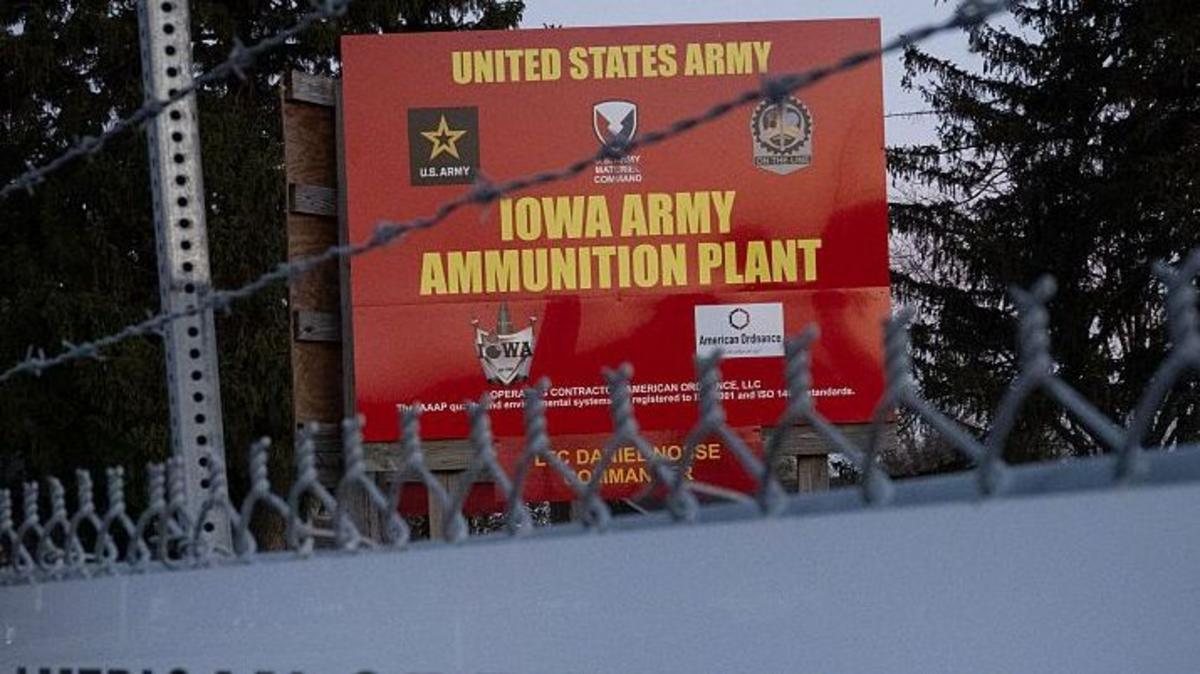
US Army to detonate unstable explosives in Iowa despite court-ordered pause
US Army plan to blow up lead-rich explosives in Iowa stalled by court

Trump halts Iowa explosives blast pending court and governor-elect approval

Eye doctor or an Eye specialist ; difference present

FA chair Debbie Hewitt signs NDA to view Fifa's abandoned sell-off plan papers

Global Community Remarks
0