
Shot in the face at 15: Cameroon's Anglophone conflict leaves a trail of broken lives
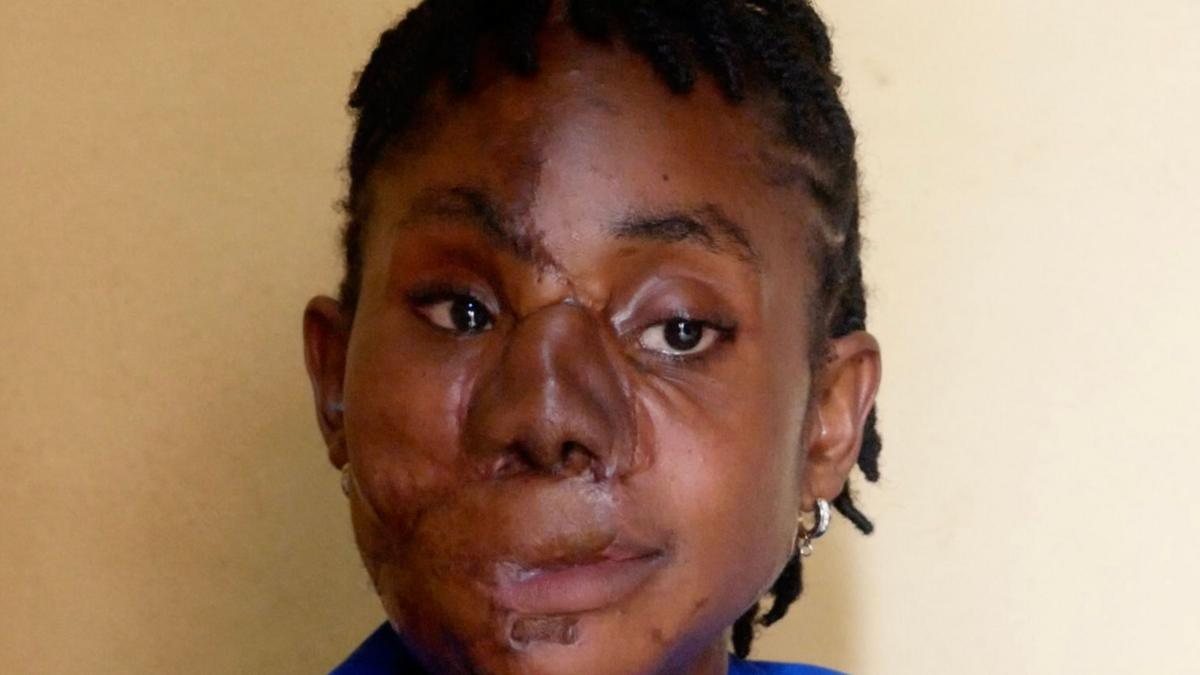
Survivors of Cameroon's separatist conflict have described how nearly a decade of fighting in the country's English-speaking regions has destroyed homes, livelihoods and futures, according to BBC News Africa.
The violence has driven about half a million people from their homes, according to UN data published this year, while Human Rights Watch says at least 6,000 people have been killed since the crisis began in 2016.
Survivor of a 2018 attack
Median Bah was 15 and sick in bed on 7 April 2018 when armed men stormed her family's compound in the Southwest region, firing indiscriminately. Her brother woke her and escaped through a window, but she was too weak to follow and left through the door instead.
She told BBC News Africa that two attackers confronted her in the backyard. They shot her in the thigh and then fired several more rounds into her face as she begged them to spare her. She lost consciousness.
The gunmen, whose identity remains unknown, left her jawbone damaged, most of her teeth destroyed and her mouth badly injured. Now 23, she has had at least four reconstructive operations in Cameroon, Ghana and India, with tissue from elsewhere on her body used to rebuild parts of her face. More surgery is planned for next year.
Unable to breathe normally through her nose or mouth, she underwent a tracheostomy and depended on a breathing tube for eight years. It was removed only recently.
"I have defeated death," Median told BBC News Africa.
How the crisis began
The conflict started in October 2016 when lawyers and teachers in the Northwest and Southwest regions went on strike, complaining that the Francophone-dominated government was posting French-speaking judges and teachers to Anglophone courts and schools.
Rights groups accused security forces of using excessive force against the initially peaceful protests, a crackdown critics say helped spark an armed movement. By 2017, about a dozen armed groups were fighting for an independent state they call Ambazonia, according to the International Crisis Group.
Separatists have been accused of killings, kidnappings for ransom, torture and attacks on schools, while government forces face allegations of arbitrary detention, torture and unlawful killings. Both sides deny the accusations, though each has at times admitted to some abuses.
Refugees across the border
More than 70,000 Cameroonians have fled to Nigeria, according to the UNHCR. About 15,000 live in three settlements around Ogoja in Cross River state, UNHCR official Richard Effiong told the BBC.
Among them is Glory Akom, 44, a mother of two who lives with a disability from burns unrelated to the conflict. She said soldiers deployed to her area chased residents into the bush, forcing her to flee. Once a business owner, she now relies on $67 (about Sh8,700) a month in UNHCR cash support, which she says barely covers food and medical care for a child with sickle cell disease.
Maurine Mangha, 21, fled Akwaya with five relatives after separatist fighters opened fire during their self-declared independence celebrations on 1 October 2017. She had already stopped attending school because of a separatist education boycott. She has since won a UNHCR-run scholarship for refugees, but says she grieves for friends who missed out.
Unicef, citing Cameroonian education authorities, says more than 200,000 children are out of school in the two regions and nearly 2,500 learning institutions are not operating.
Government push for surrender
In September, authorities launched a community dialogue initiative in Buea and Bamenda, where Prime Minister Joseph Dion Ngute urged communities to persuade fighters to lay down their arms. Nearly 60 people described as former fighters were presented at the events.
Almost 1,500 ex-fighters are undergoing rehabilitation at disarmament and reintegration centres, an official told the BBC. A similar effort in 2019 failed to end the war.
Former commander Clovis Naseri, who left the White Tigers of Ribbons group in 2019, said many fighters have been killed, surrendered or abandoned the independence cause. Yet attacks continue, and researcher Roland Fru argues the government has yet to show it understands the grievances behind the conflict.
The BBC said government officials did not respond to requests for comment. President Paul Biya, in power since 1982, said last November that reconstruction efforts backed by international partners were restoring normality, and praised the security forces.
This story was prepared by the Hamasta Newsdesk with AI assistance, based on reporting by BBC News Africa. Read the original report. Photo: BBC News Africa.
Every moment, captured beautifully.
Events, corporate portraits, products and editorial shoots by our newsroom photographers.






More in International
See all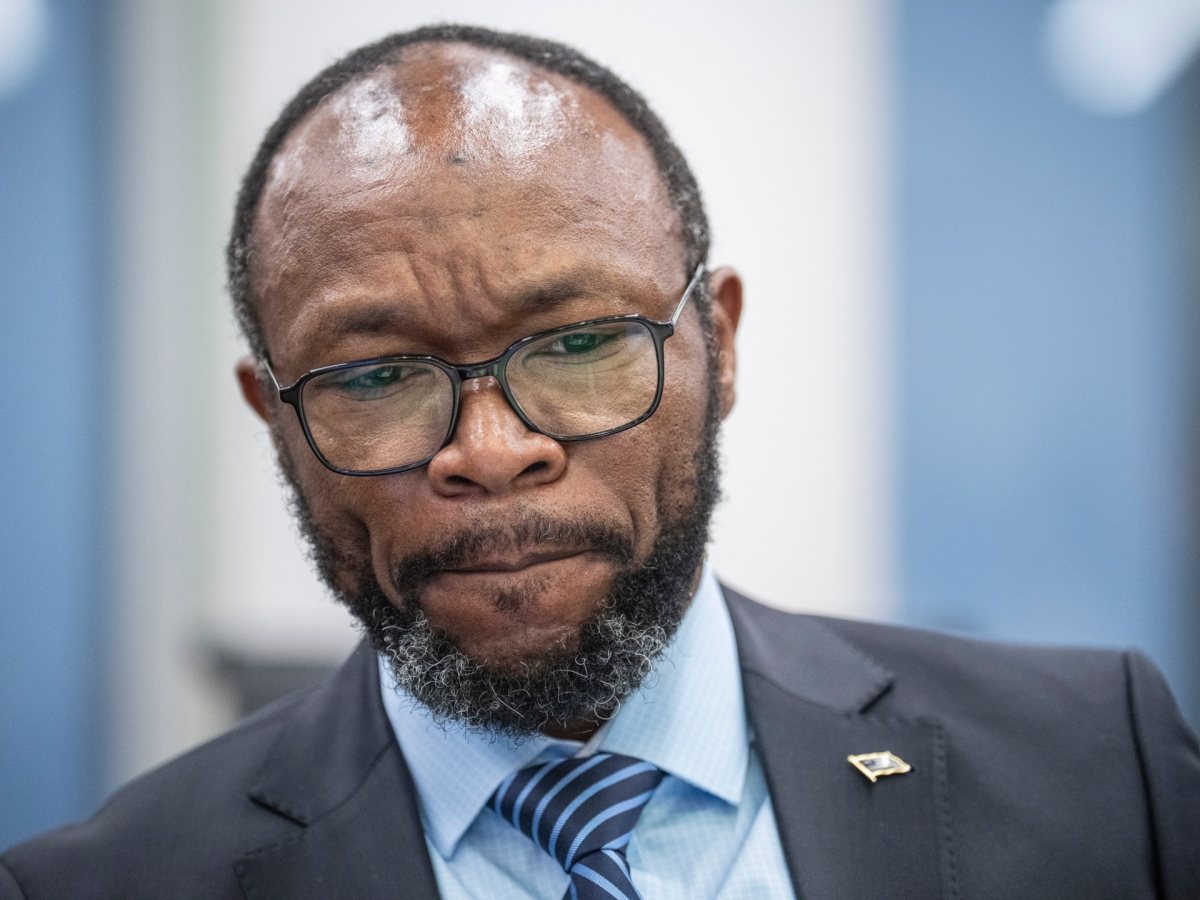
Cameroon separatist leader Cho Ayaba denies war crimes charges at Oslo trial
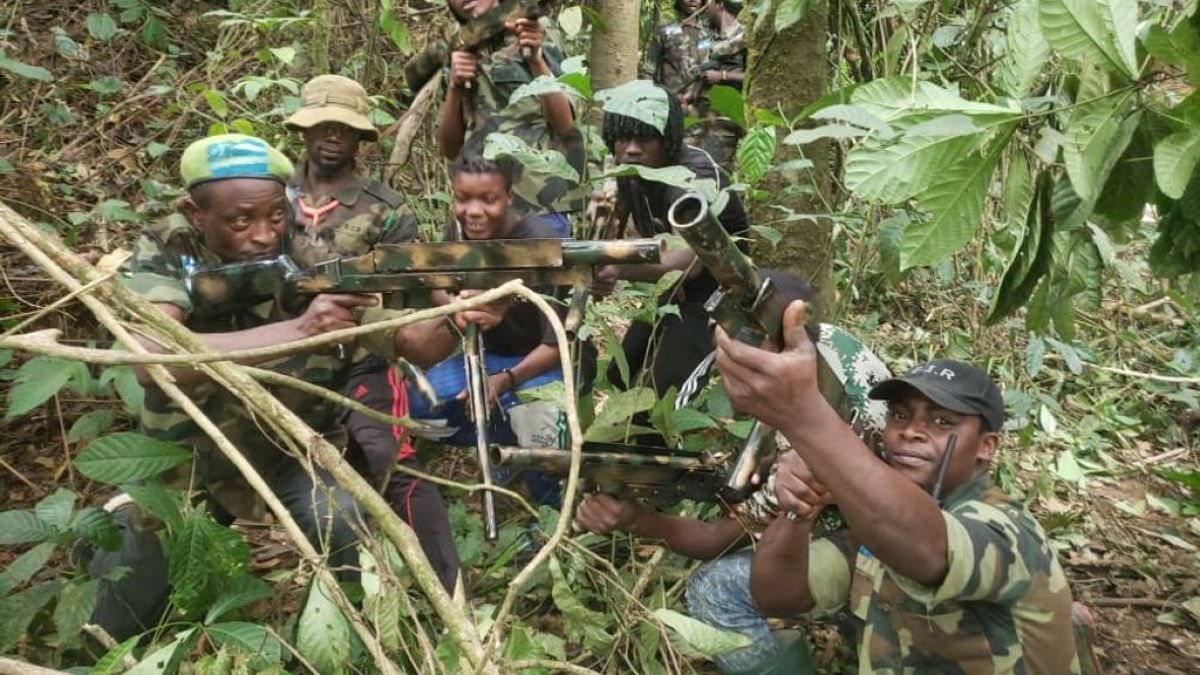
Cameroon's ex-separatist fighters torn between hiding and a failing reintegration plan
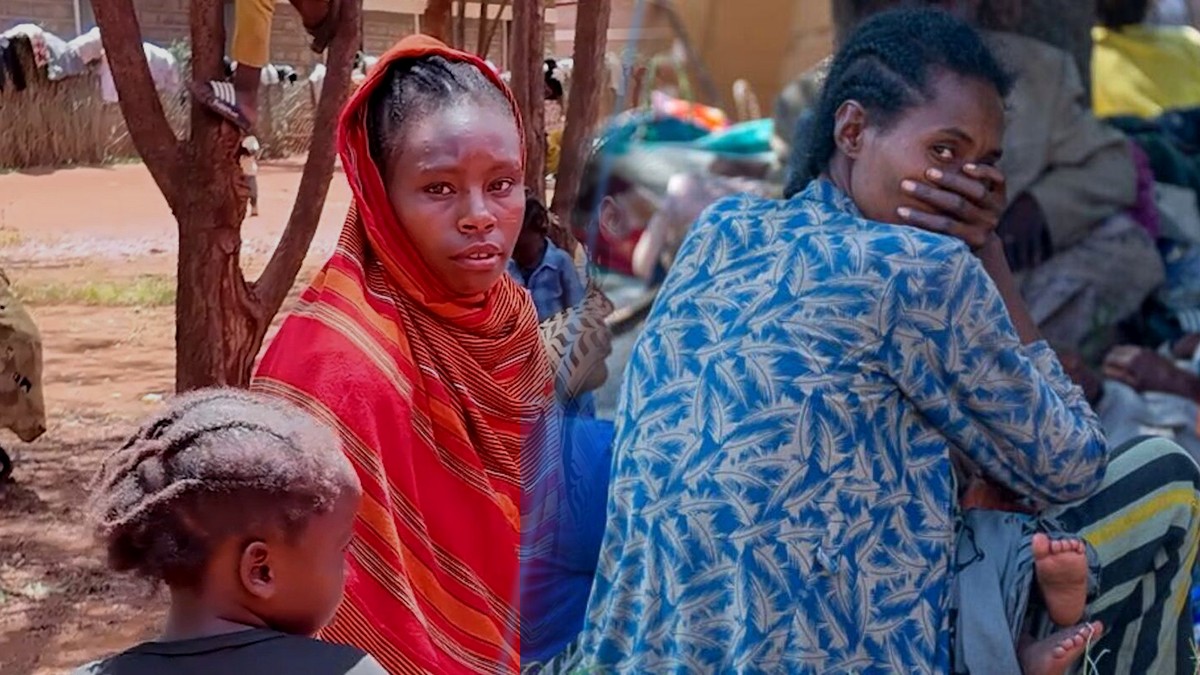
Up to 50,000 Ethiopians have fled into Kenya's Moyale as Oromia-Somali clashes rage, UNHCR says
Palestinian refugees born in Egypt still treated as foreigners decades after Nakba
Cameroon U17s confident ahead of World Cup opener against Venezuela
Global Community Remarks
0