
Spain heads to polls deeply divided as far-right Vox eyes first role in government
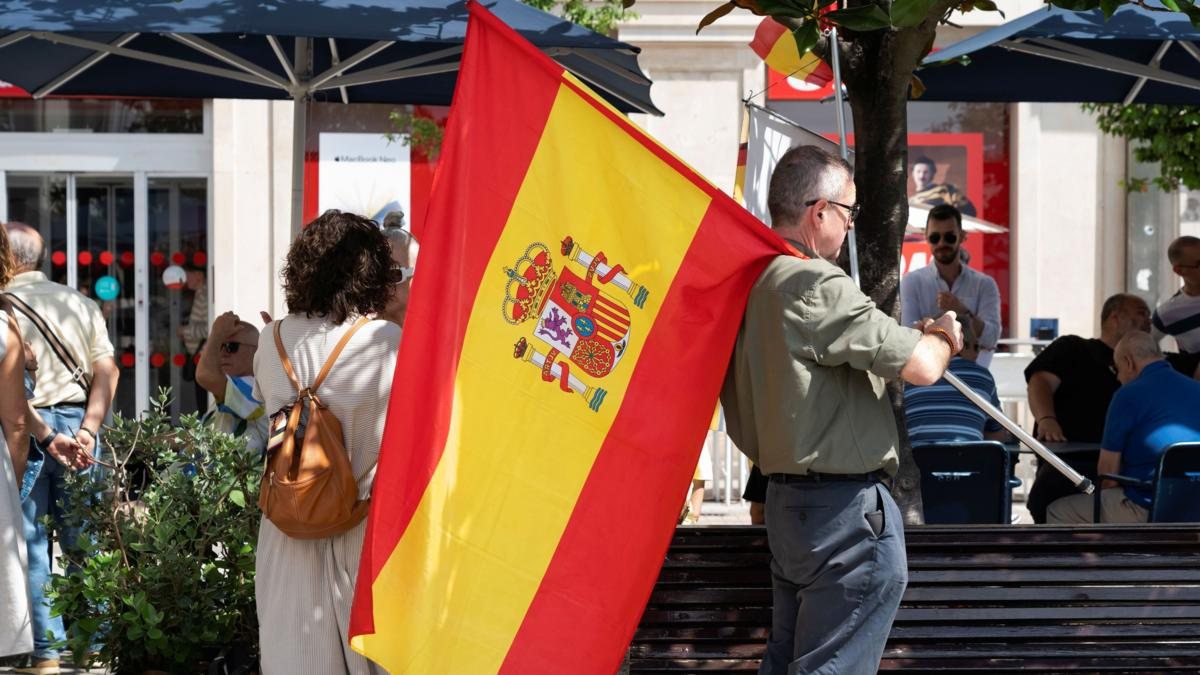
Spaniards vote in a general election on Sunday that could, for the first time in the country's democratic era, see the far-right Vox party enter national government, according to BBC News World.
The conservative People's Party (PP), led by Alberto Núñez Feijóo, is ahead in most opinion polls and appears positioned to form a governing coalition with Vox, ending the tenure of Socialist Prime Minister Pedro Sánchez.
Sánchez warns against a rightward turn
Campaigning from a wrestling ring on the island of Tenerife, Sánchez urged supporters to consider the record of right-wing leaders abroad. He questioned what US President Donald Trump had achieved for his country and the world, and pointed to Brazil's former leader Jair Bolsonaro and Argentina's President Javier Milei as examples Spain should avoid.
In a Europe largely governed by right-leaning administrations, Sánchez has built a reputation as the continent's most outspoken left-wing head of government. His defence of feminism, immigration and green energy, his criticism of Israel's military action in Gaza and his public disputes with Trump have raised his profile among the international left, helped by steady economic growth at home.
A hate figure for the right
At home, however, his opponents portray him as an autocrat who disregards the separation of powers and is determined to stay in office. Speaking at a bullring in Valencia, Núñez Feijóo told supporters that recent years of Socialist-led rule had been insulting and humiliating for many Spaniards.
Vox spokesman Ignacio Garriga went further days earlier, calling Sánchez "a very dangerous psychopath". Both the PP and Vox have also raised doubts about the neutrality of postal votes and ballots cast by Spaniards living abroad.
Cristina Monge, a political scientist at Complutense University, told BBC News World that the contest is driven far more by ideological loyalty than by voters judging the government's performance or policy proposals.
Much of the anger towards Sánchez stems from his reliance on hard-left and separatist parties. After the 2023 election, he secured power with backing from the Catalan separatist party Junts in return for an amnesty for those facing legal action over the failed 2017 independence bid. He has since been unable to pass a single budget through parliament.
Corruption cases weigh on the government
Sánchez has also been dogged by judicial investigations. He has admitted misjudging two former close allies: José Luis Ábalos, sentenced to 24 years in jail for corruption-related crimes, and Santos Cerdán, who is due to stand trial on similar charges.
His wife, Begoña Gómez, is due to go on trial for influence peddling, which she denies. Sánchez has dismissed the cases involving her, his brother David and his former attorney general Álvaro García Ortiz as politically motivated attacks rather than corruption.
One voter, office worker María Pérez, told BBC News World she would back the PP, citing the housing crisis, rail failures and, above all, the corruption investigations.
Fears over Vox's regional record
The left argues that PP-Vox coalitions already running four of Spain's 17 regions offer a preview of national policy. In all four, Vox has introduced a "national priority" principle giving Spaniards preferential access to public services and subsidies over foreigners.
In Castilla y León, a play about poet Federico García Lorca was cancelled in Valladolid, apparently at the request of the Vox-run culture department, which also barred film subsidies for what it termed "ideological indoctrination". Spain's culture minister, Ernest Urtasun, condemned the move as censorship.
Critics say Núñez Feijóo has already adopted parts of the Vox agenda, toughening his stance on immigration and pledging to reverse the euthanasia law and scrap the equality ministry.
The divide has spilled onto the streets. Anti-fascist youths have clashed with police during the campaign, while far-right youths were seen giving fascist salutes and singing a pro-Franco anthem in Madrid. A 2025 poll by the CIS research centre found roughly one in five under-25s viewed the Franco dictatorship positively.
This story was prepared by the Hamasta Newsdesk with AI assistance, based on reporting by BBC News World. Read the original report. Photo: BBC News World.





Show the impact of your work.
Impact stories, campaign videos and community engagement for NGOs and programmes.

More in International
See all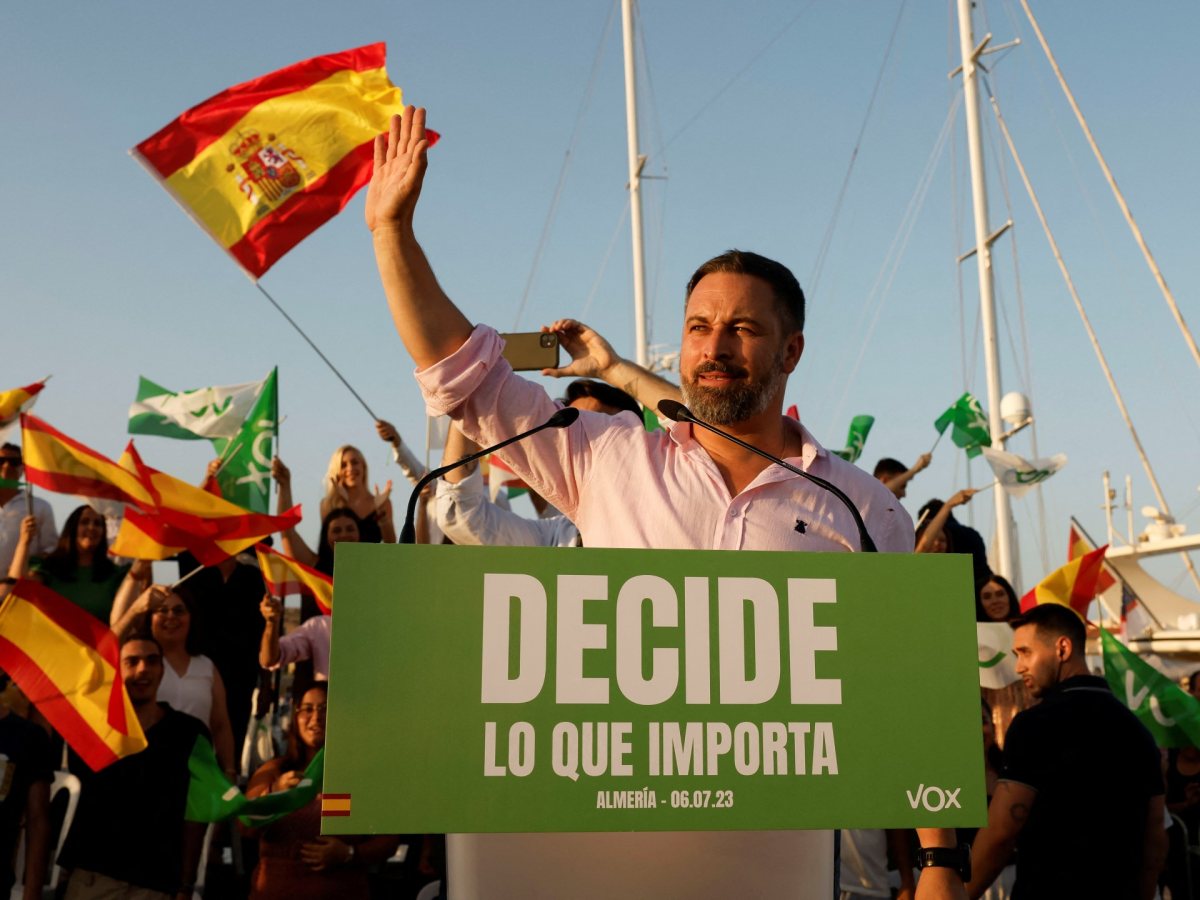
Spain's far-right Vox eyes kingmaker role ahead of November 29 snap election
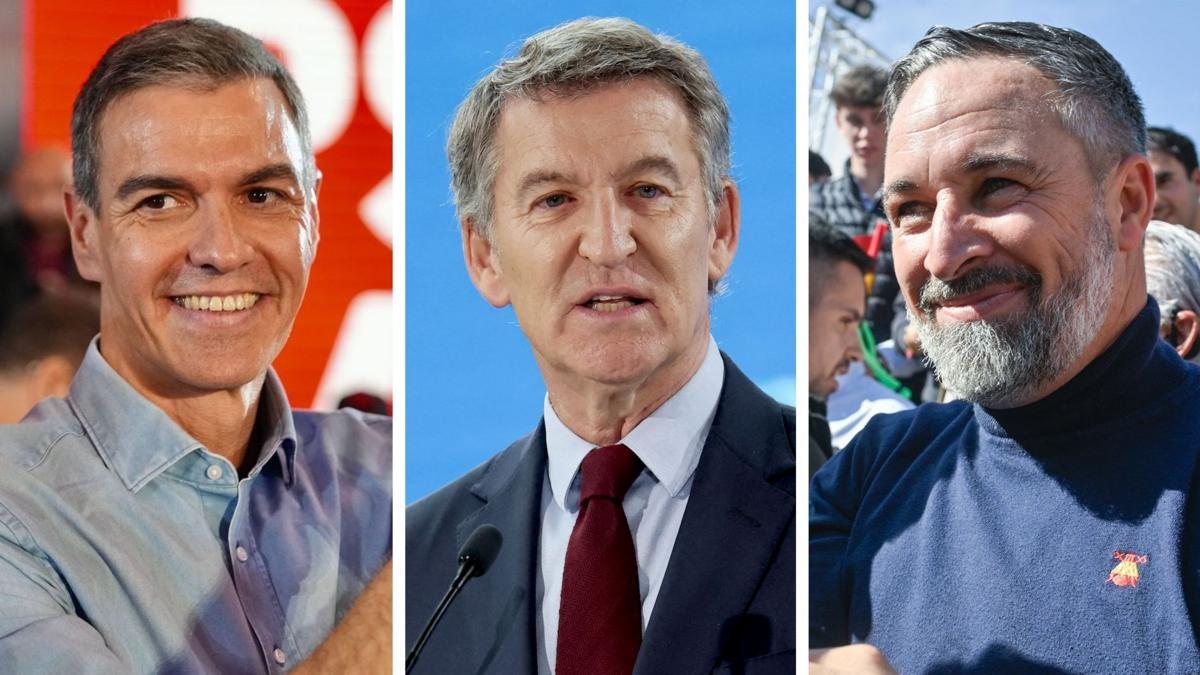
Spain election: Feijóo, Sánchez and Abascal lead the race to watch on 29 November
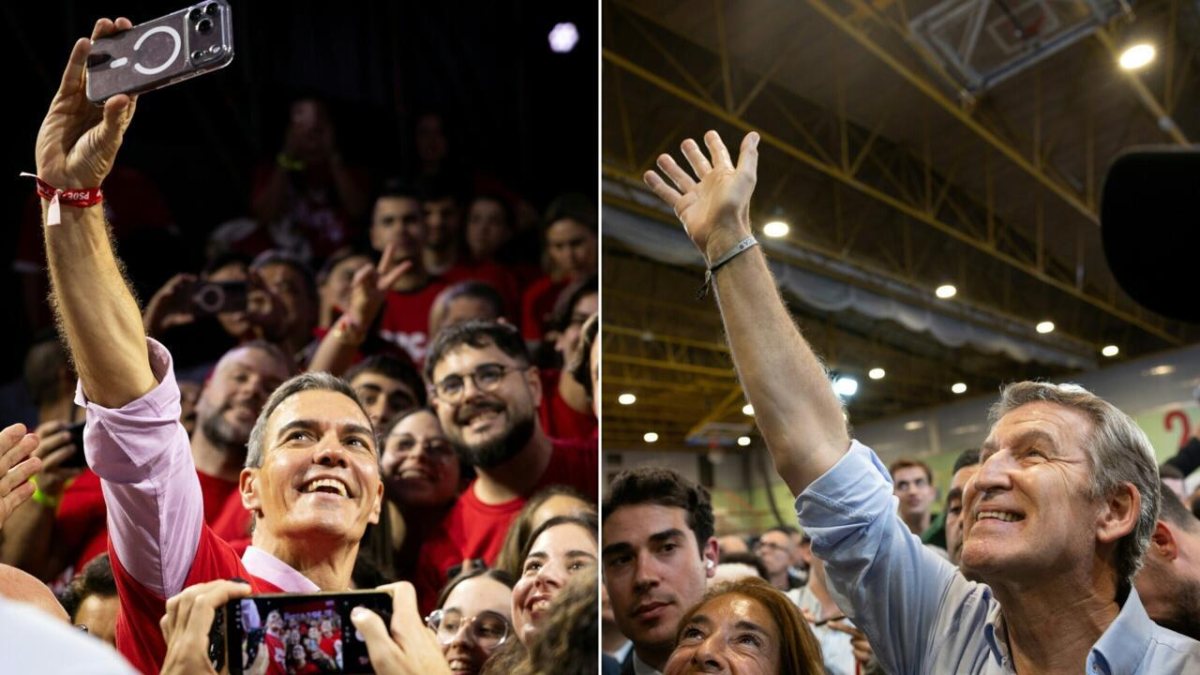
Spain's Sánchez admits 'mistakes' in only TV debate before November 29 poll

Nyamira Senator Wants SGR Phase 2 Works Halted Over Unpaid Land Compensation
Gachagua-Allied MPs Stripped of Key House Committee Roles in UDA Reshuffle

Global Community Remarks
0