
MPs question Ksh552.6M pending bills at Deputy President's office
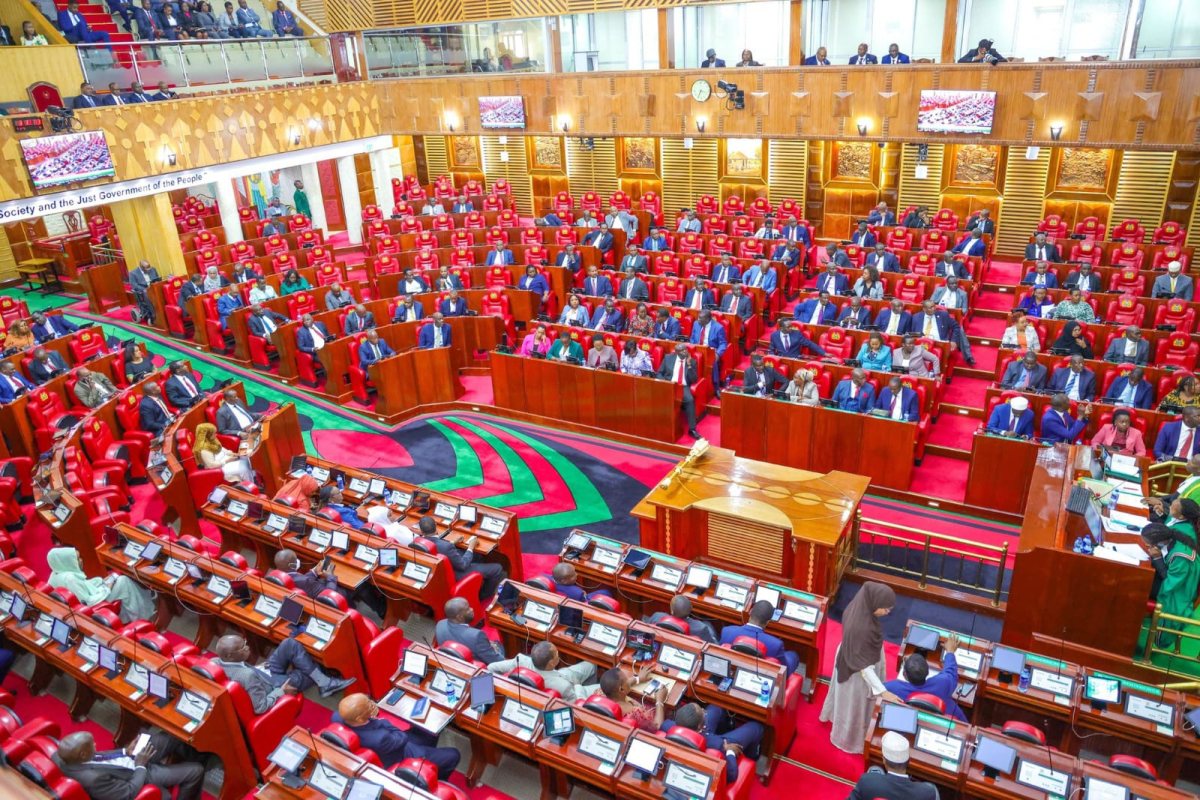
Members of Parliament have asked the Office of the Deputy President to explain recurring pending bills and to reconcile conflicting figures on how much it owes, according to KBC.
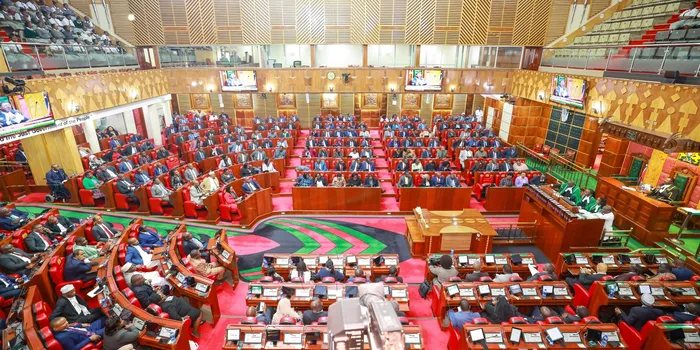
The National Assembly Departmental Committee on Administration and Internal Security raised the concerns on Tuesday as it reviewed the office's proposals under the 2027 Budget Policy Statement. Legislators warned that the build-up of unpaid bills could indicate that the office was committing to spending without adequate budgetary provision.
Two different figures
Loima MP Protus Akuja pointed out that the office had reported pending bills of Ksh552.6 million for the 2025/2026 financial year, while the Public Administration and International Relations Sector Report put the amount at Ksh569.8 million. He asked officials to provide a verified schedule explaining the gap between the two reports.
Committee chairman Gabriel Tongoyo, the Narok West MP, questioned why the bills kept recurring even though the office said it treated them as the first charge whenever funds were released. He argued that the problem was not only delayed Treasury disbursements but also expenditure incurred without a budget to support it, citing carryovers in successive financial years.
Tongoyo said the office should put in place measures to stop committing itself to spending that had not been approved in the budget.
Office defends its record
The office's Chief Finance Officer told the committee that pending bills were prioritised whenever money was received and that the office regularly asked the National Treasury for extra funding to clear them.
Officials said the outstanding balance had since dropped to about Ksh150 million, with a large share linked to hospitality expenses.
Principal Administrative Secretary Moses Mbaruku said the office was obliged to put constitutional duties first, including the Intergovernmental Budget and Economic Council (IBEC), engagements with development partners and functions delegated to the Deputy President by the President.
Concern over early spending
Committee vice-chairperson Ali Dido Rasso, the Saku MP, described as worrying the office's disclosure that it had used 44 per cent of its budget in the first quarter, noting that government spending usually picks up in the second and third quarters. He asked how the office would avoid running out of money and having to rely on Article 223 of the Constitution for additional spending authority.
Mbaruku said the 44 per cent figure excluded development expenditure and that the rate was higher when only recurrent spending was considered. He attributed this to settling pending bills and the cost of running the office, including coordinating high-level government engagements and the Deputy President's supervision tours around the country.
"It is true we have used 44 per cent, and there is that possibility of running out of money," Mbaruku told the committee.
He said the office had asked for about Ksh7 billion but expected to receive roughly Ksh4 billion, which he described as barely more than half of its needs for the year.
El Niño funds and residences
Rasso also sought details on money released to state agencies following meetings chaired by the Deputy President to prepare for anticipated El Niño rains, asking what would happen to the funds if the rains failed to come. Mbaruku said the office only coordinated the meetings and that the money went directly to the relevant departments and organisations. He said the Treasury would decide on any unused funds but could not give the total disbursed.
Elgeyo Marakwet Woman Representative Caroline Ngelechei questioned slow progress on refurbishing the Karen and Mombasa residences, with a combined allocation cited at Ksh70 million, noting that development spending had so far gone to Harambee House Annex. Mbaruku said the three projects would be undertaken within the current financial year, preferably by March, adding that preparatory work, including bills of quantities, was under way.
This story was prepared by the Hamasta Newsdesk with AI assistance, based on reporting by KBC. Read the original report. Photo: KBC.




Know what people say about you.
Media monitoring, audience insights and strategic communication for your brand.


More in House politics
See all
Senate and National Assembly clash over livestreaming of election results
KRA plans to recover unpaid taxes from the Sh175 billion government owes suppliers in pending bills
.jpeg)
Ottichilo Signs Sh7.72 Billion Budget into Law, Prioritizes Development and Pending Bills
Unpaid government bills climb to Sh523.7bn, squeezing small suppliers
Gachagua-Allied MPs Stripped of Key House Committee Roles in UDA Reshuffle
Global Community Remarks
0