
TSC to hire 20,000 more teachers and confirm 24,000 interns on permanent terms
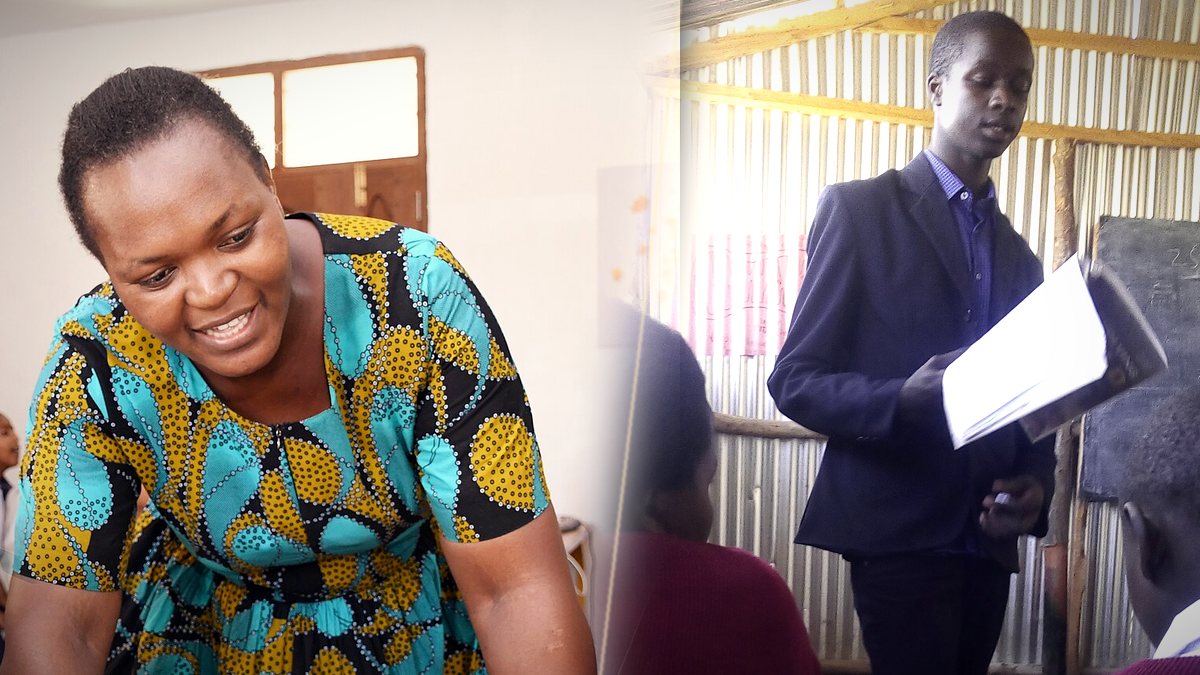
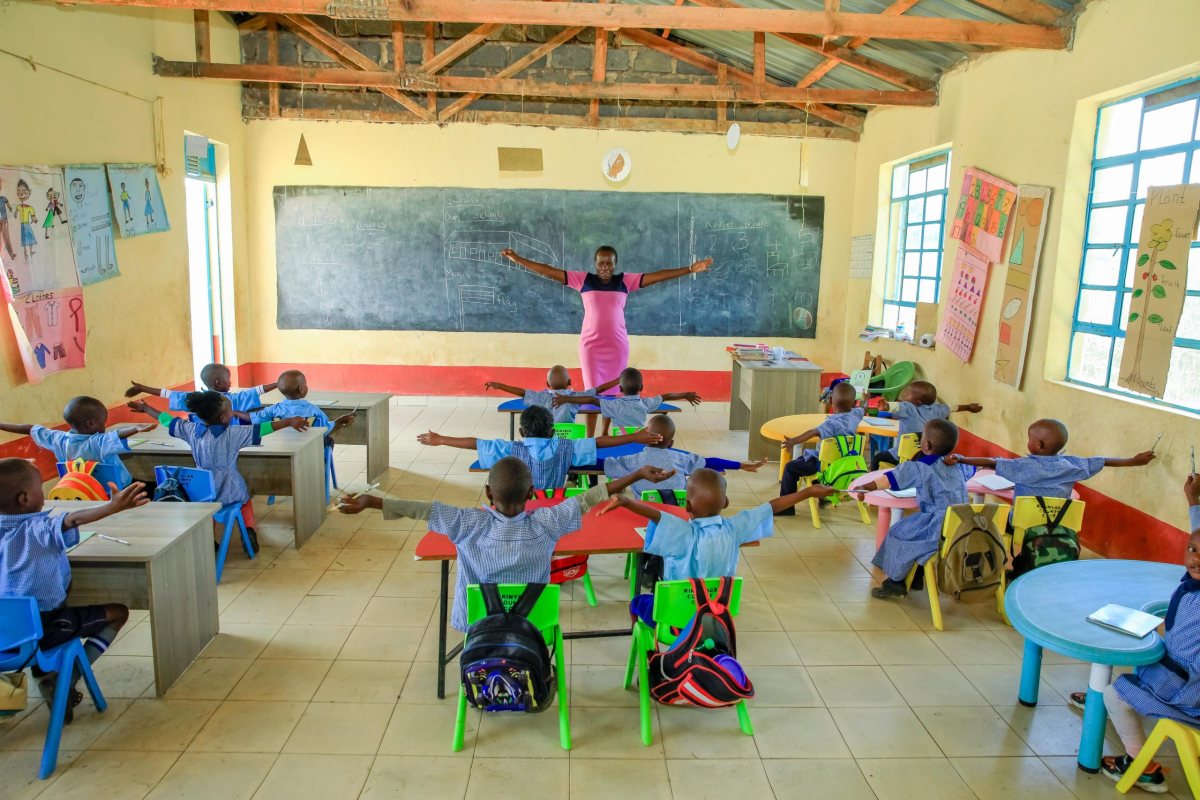
The Teachers Service Commission (TSC) plans to employ 20,000 more teachers in the 2026/27 financial year and move 24,000 teacher interns onto permanent and pensionable terms in 2027/28, as the government tries to ease staff shortages in public schools, according to allAfrica Kenya.
TSC Chief Executive Officer Cheptumo Ayabei set out the plans before the National Assembly Education Committee, chaired by Julius Melly, during its review of budget proposals for the education sector.
Closing in on the 116,000 target
Ayabei told MPs that the commission had hired more than 100,000 teachers over the previous three financial years under the government's Bottom-Up Economic Transformation Agenda (BETA). The government's target is 116,000 teachers.
The 20,000 recruits planned for 2026/27 are meant to meet that target. The commission will then convert 24,000 interns to permanent jobs in 2027/28. Ayabei described this as a way to keep tackling the shortage.
The conversion should give more job security to teachers now serving on internship contracts. It will also help fill gaps in schools.
According to the report, schools are under pressure from rising enrolment, uneven distribution of teachers and the demands of the Competency-Based Education (CBE) curriculum.
Rural, marginalised and hard-to-staff areas have struggled most to attract and keep teachers in different subjects. The move to the new education structure has also raised demand for teachers as learners progress to junior and senior school.
TVET faces Sh19.4 billion deficit
The State Department for Technical and Vocational Education and Training (TVET) told the committee it needs Sh84.129 billion for 2027/28. Its spending ceiling is Sh64.767 billion, leaving a gap of about Sh19.425 billion.
Principal Secretary Esther Muoria warned that the shortfall could hold back key programmes. "The underfunded priorities include scholarships, grants, and construction of TVET institutions," she told MPs.
Muoria said the department remained focused on building middle-level technical skills to support economic growth and make Kenya more competitive globally. She said stronger technical training would promote entrepreneurship, investment, productivity and jobs.
Capitation shortfalls in basic education
The State Department for Basic Education has proposed a budget of Sh140.18 billion for 2027/28, up from the Sh136.55 billion approved for 2026/27. Of this, Sh121.93 billion is for recurrent spending and Sh18.24 billion for development programmes.
Principal Secretary John Ololtuaa told the committee that the department still faces large gaps in capitation funding:
- Free primary education: Sh7.01 billion has been allocated against a need of Sh9.97 billion, a shortfall of about Sh2.96 billion. The money covers capitation for 6.39 million learners, with extra funding for learners with special educational needs.
- Junior school: Sh30.72 billion has been proposed against a need of Sh54.23 billion, a deficit of Sh23.51 billion. Ololtuaa said the need is based on capitation of Sh15,043 for each of 3.58 million learners.
The gaps raise questions about whether schools will have enough resources to carry on with the CBE curriculum. The curriculum calls for more learning materials, infrastructure and specialised teaching support.
The State Department for Higher Education and Research and the State Department for Science, Research and Innovation also presented their budget proposals and priorities for 2027/28 to the committee.
This story was prepared by the Hamasta Newsdesk with AI assistance, based on reporting by allAfrica Kenya. Read the original report.
Photos: Queen Asali / Wikimedia Commons (CC BY-SA 4.0); Wallygich / Wikimedia Commons (CC BY-SA 4.0)




Know what people say about you.
Media monitoring, audience insights and strategic communication for your brand.


More in Education
See all
Primary Learners Set for Ksh1,420 Capitation in 2027/28 as Funding Gaps Widen
90 pupils per class and less than Sh9,000 a month: Study finds refugee camp teachers are among Kenya's most committed and worst paid
Labour court lifts order forcing TSC to deduct KUPPET agency fees from JSS teachers in win for KNUT
Kirinyaga ECDE teachers say permanent jobs have transformed their lives
Court rejects TSC bid to enforce teachers' social media rules, says circular is too vague

Global Community Remarks
0