
Central African Republic media go silent for a day to protest intimidation of journalists
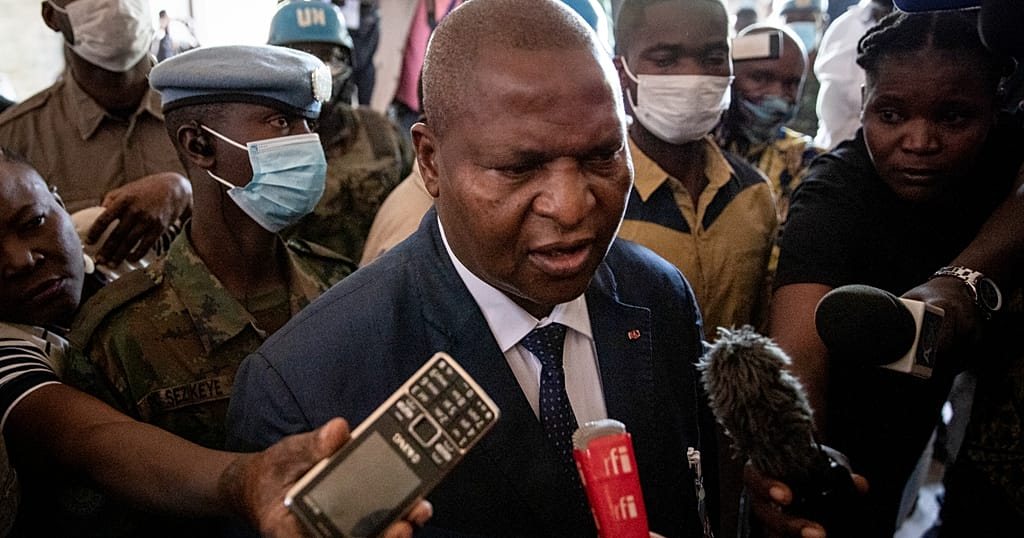
Media outlets in the Central African Republic (CAR) suspended their regular news coverage on Wednesday, staging a "day without news" to draw attention to what journalists describe as growing pressure on independent reporting in the country, according to Africanews.
The coordinated blackout comes after a demonstration last week outside Radio Ndeke Luka, one of the most widely followed media outlets in the country.
Protest at popular radio station
About 100 people gathered outside the station's premises, accusing it of being biased against the government, Africanews reported.
The station's management rejected that characterisation, saying the demonstration was an attempt to intimidate the broadcaster into giving the authorities more favourable coverage.
The pressure on Radio Ndeke Luka is not new. Press freedom watchdog Reporters Without Borders has reported that the station has faced mounting pressure since September, including threats made online. According to the organisation, those threats have also extended to people who support the station.
Not a protest against government, union says
The Union of Central African Journalists, which backed Wednesday's action, has sought to frame the strike carefully. According to Africanews, the union says the day of silence is not directed against the government.
Instead, the union describes it as an appeal to the authorities to publicly condemn threats made against journalists and to commit to ensuring their protection.
Radio stations taking part in the action were asked to drop their usual news bulletins for the day. In their place, the stations were to broadcast a message defending press freedom and the public's right to access information.
Authorities call for calm
The authorities have responded by calling for a de-escalation of tensions, Africanews reported.
A meeting between representatives of the media and the minister of communication has been scheduled for Friday, offering a possible avenue for dialogue between the press and the government.
It was not immediately clear from the report how many outlets took part in Wednesday's blackout or what specific commitments the journalists' union will seek at Friday's meeting.
Why it matters
The day without news highlights the fragile position of independent media in the Central African Republic, where journalists say they are increasingly being targeted for their coverage.
Media blackouts of this kind are a rare and deliberate tactic, designed to show audiences what is lost when news is absent. By replacing bulletins with a message on press freedom, participating stations aimed to underline the link between journalists' safety and citizens' ability to stay informed.
The outcome of Friday's talks with the communication minister is likely to be closely watched by media workers in the country, who are seeking clear assurances that threats against reporters and their supporters will not go unchallenged.
This story was prepared by the Hamasta Newsdesk with AI assistance, based on reporting by Africanews. Read the original report. Photo: Africanews.
Every moment, captured beautifully.
Events, corporate portraits, products and editorial shoots by our newsroom photographers.






More in International
See all
Lebanese photographer maimed in Israeli strike wins CPJ Press Freedom Award
Thousands march in Istanbul against closure of opposition-linked media outlets
German report warns religious freedom is worsening worldwide, singles out China
US judge strikes down Trump visa limits on foreign students and journalists

Elon Musk calls record $446m midterm spending foolish after Republican losses
Global Community Remarks
0