
Politics or Educational Reform? Understanding Kenya's New Higher Education Funding Proposal

.jpeg)
President William Ruto’s recent address on higher education financing marks a significant policy pivot toward universal government support for tertiary students in Kenya. In his speech, he outlined the evolution of university and college funding models, detailing why previous approaches proved unsustainable and why a new legislative framework is essential for the nation's future.
Reflecting on past initiatives, President Ruto pointed out the shortcomings of the Differentiated Unit Cost model, which originally promised 80% government funding for students but ultimately saw support plummet to nearly 40%. This drastic deficit placed immense financial strain on public universities, leaving many on the brink of operational collapse. In response, the government introduced a targeted equity model—a blend of scholarships, government-backed loans, and parental contributions scaled according to a family's financial capabilities. While President Ruto acknowledged that this model improved fairness, he emphasized that it remained an incomplete solution to the broader systemic crisis in higher education.
To solve this, the administration has submitted legislative amendments to Parliament aiming to transition the country toward a universal funding model. Under this proposed system, every student who meets the academic entry requirements and is officially placed in a TVET college, Kenya Medical Training College (KMTC), or public university will be guaranteed 100% funding for their higher education. A central pillar of this policy is making parental contributions entirely optional; families may choose to pay tuition if they wish, but for those who cannot or choose not to, the government will fully cover the cost.
President Ruto framed this policy shift not merely as a budget adjustment, but as a crucial socio-economic directive. Drawing comparisons to developed nations that prioritized education to accelerate their growth, he stressed that access to quality higher education must serve as an equalizer across Kenyan society. By removing financial barriers for every placed student, the administration aims to ensure that educational opportunity remains universally accessible, reinforcing the principle that education holds an unrivaled power to bridge social inequality.


Take your event live to thousands.
Multi-camera live streams, panel discussions and digital broadcasts with professional crews.




More in Education
See all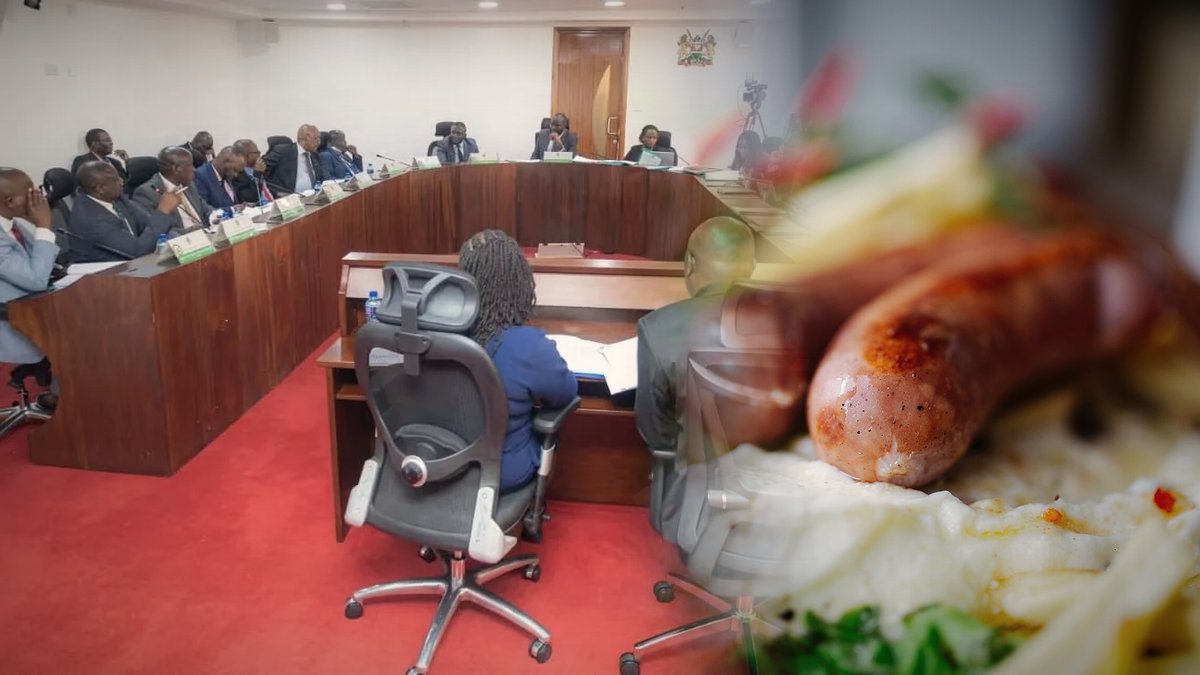
Eggs, sausages and chicken: Principals defend extra fees as MPs insist enhanced menus need ministry approval
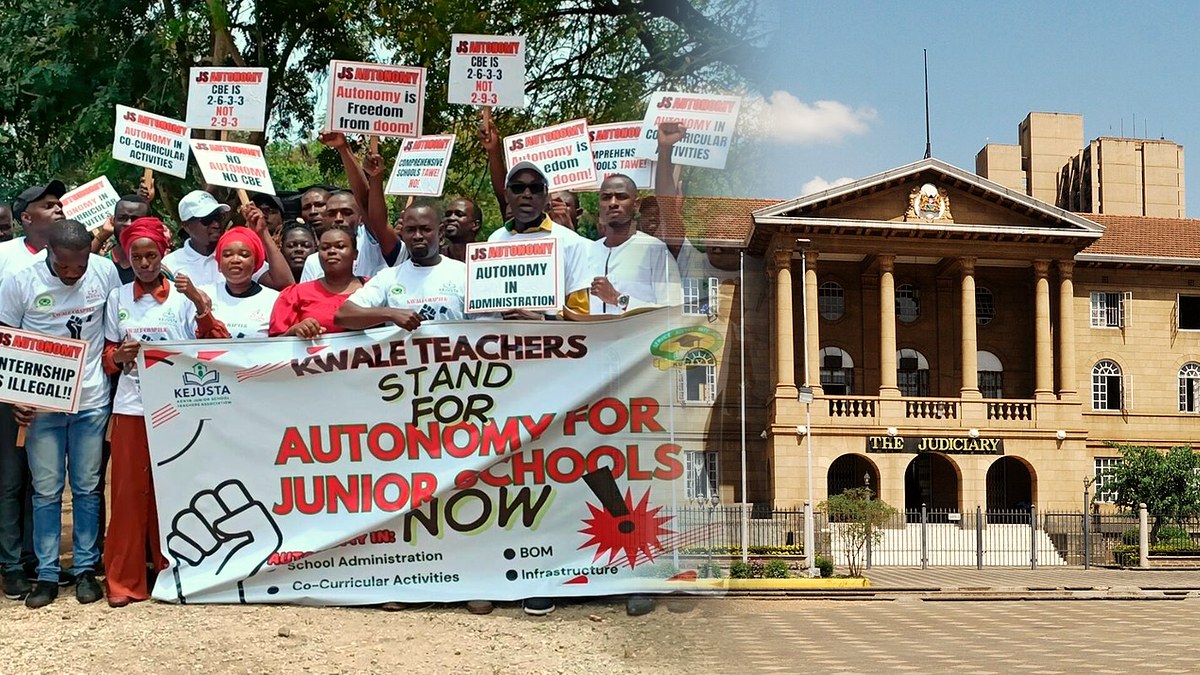
Court strikes out junior school teachers' bid to form union outside Kuppet and Knut
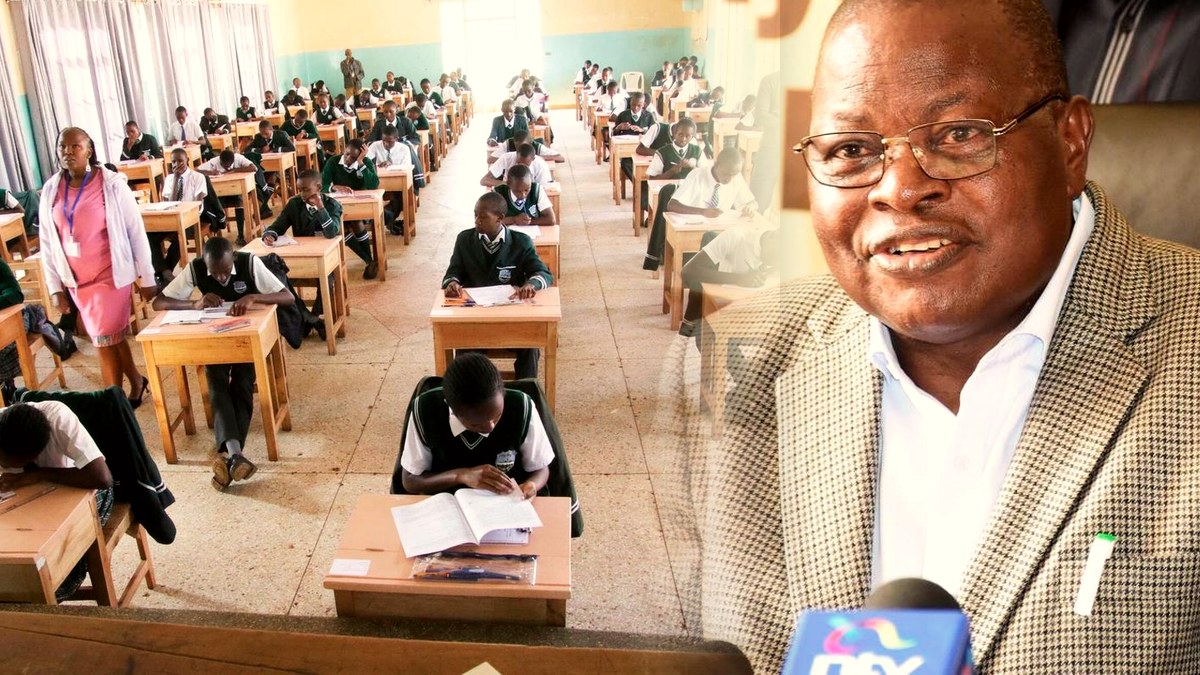
Funding gaps and Kuppet boycott threat loom as Kenya's 2026 national exams begin
Court orders Maseno University to pay ex-student Sh800,000 for erasing his academic record

Kenya School of Law suspends 2027/28 bar school applications after High Court freezes new entry rules

Striking university lecturers take pay dispute to Nairobi streets with march to Parliament
Global Community Remarks
0