
US consortium open to listing 20% of Mrima Hill mining project on the NSE
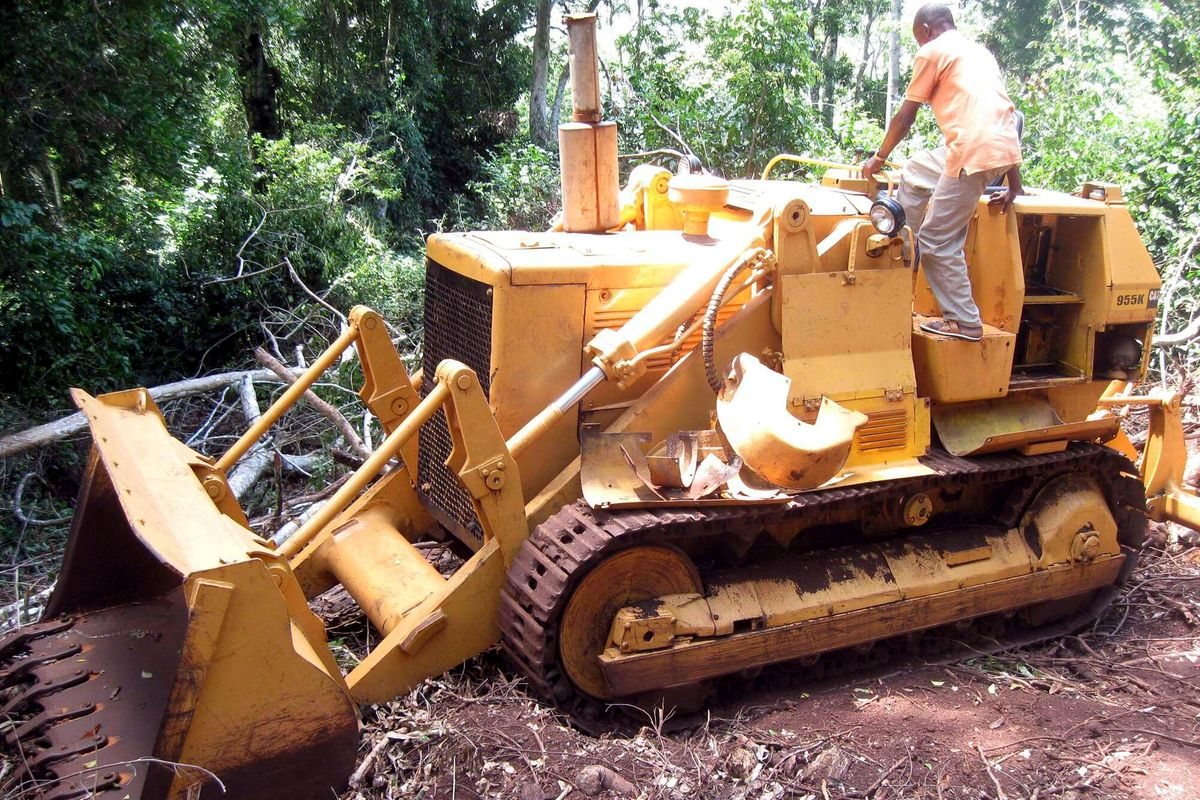
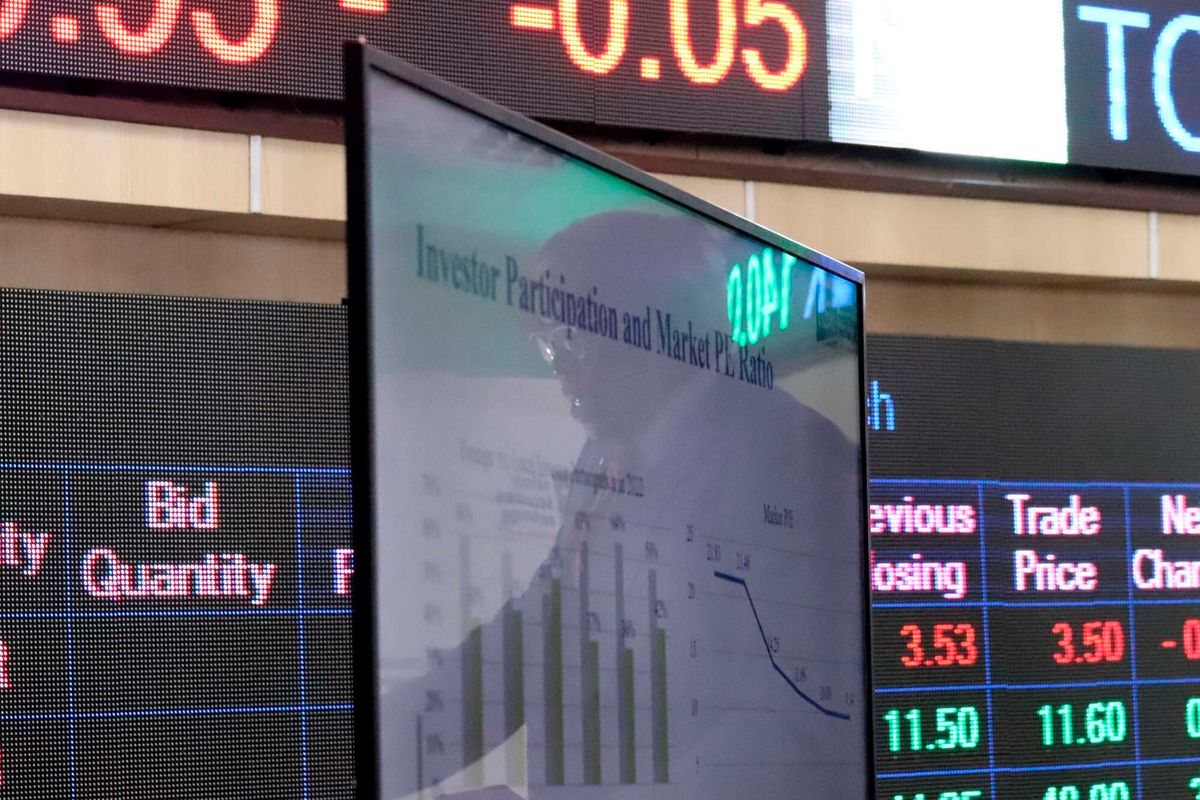
Kenyan investors could get a chance to buy into the Mrima Hill rare earths project, after the US-based consortium chosen to develop it said it was open to floating a 20 percent shareholding on the Nairobi Securities Exchange (NSE).
Brad Barnett, managing member of Frontier Minerals LLC, which leads the consortium, told Business Daily that the group was willing to list the stake within three years of the mine entering production.
"Kenyans need to participate in this. This needs to be a Kenyan project," Mr Barnett said.
He said he was unsure of the current position on any legal requirement for local ownership, but stressed that the consortium was receptive to the idea regardless.
Listing hurdles
Kenya's capital markets rules require firms seeking entry to the Main Investment Market Segment to have operated for at least five years and to have made a profit in at least one of the previous five years. Companies can, however, apply for exemptions from these requirements, according to Business Daily.
Mr Barnett, who is also chief financial officer of Bunker Hill Mining, said that if a feasibility study finds the project bankable, the consortium would fund construction and the move to full commercial production through a combination of debt and equity. He added that the true value of the deposits would become clear only once that study is complete.
Winning bid
Mining Cabinet Secretary Hassan Joho last Thursday named the Frontier Minerals Consortium as the winner of the project, which has been valued at Sh8.4 trillion. The group is made up of four American firms: Frontier Minerals LLC, Bunker Hill Mining Corp, ReElement Technologies and American Resources Corporation.
Seven bidders had been shortlisted in July, including two Chinese companies, two US consortia, a US-affiliated consortium, an Australian consortium and a Kenyan-British joint venture. The Chinese firms later pulled out.
The award gives the United States a foothold in Kenya's critical minerals sector. Washington had lobbied hard for the project as part of President Donald Trump's push to secure supplies of critical minerals and counter China's dominance, the paper reported.
Rare earths are used in electric vehicles, semiconductors, wind turbines, advanced electronics, weapons systems and artificial intelligence technology.
What is at stake
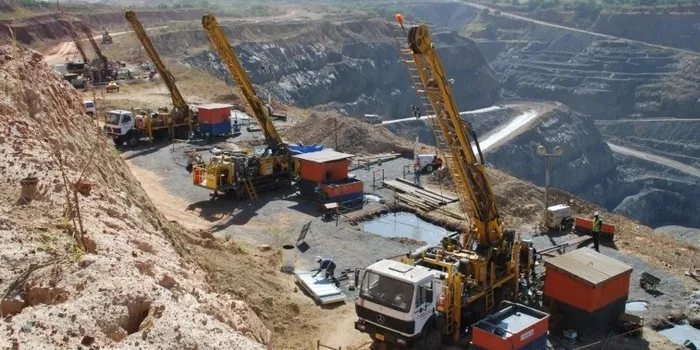
The Ministry of Mining says early indicators point to significant niobium and rare earth deposits at Mrima Hill, potentially worth between Sh5.4 trillion and Sh8.18 trillion. A 2025 ministry report estimated the deposits at more than 105 million tonnes. The site in Kwale County is also sacred to the Digo community.
The consortium said it would focus on building processing and refining capacity in Kenya, in line with the government's drive to add value to mineral exports. According to the ministry, the group must now engage the local community and secure prospecting licences.
For Kenya, the project offers a chance to diversify an economy long reliant on agriculture and a narrow range of services. Mining contributed Sh141.7 billion to GDP in 2025, just 0.8 percent of total output.
The sector briefly boomed after large-scale titanium mining began in Kwale in 2013, but has struggled since deposits were depleted and Base Titanium closed its operations in December 2024.
The government hopes the new mine will create jobs for Kenyans, many of whom struggle to find decent work. In anticipation of revenue from oil and mineral finds, Kenya has also enacted the Sovereign Wealth Fund Act, 2026, setting up a national vehicle to manage earnings from petroleum and minerals.
This story was prepared by the Hamasta Newsdesk with AI assistance, based on reporting by Business Daily. Read the original report. Photo: Business Daily.




Know what people say about you.
Media monitoring, audience insights and strategic communication for your brand.


More in Business
See all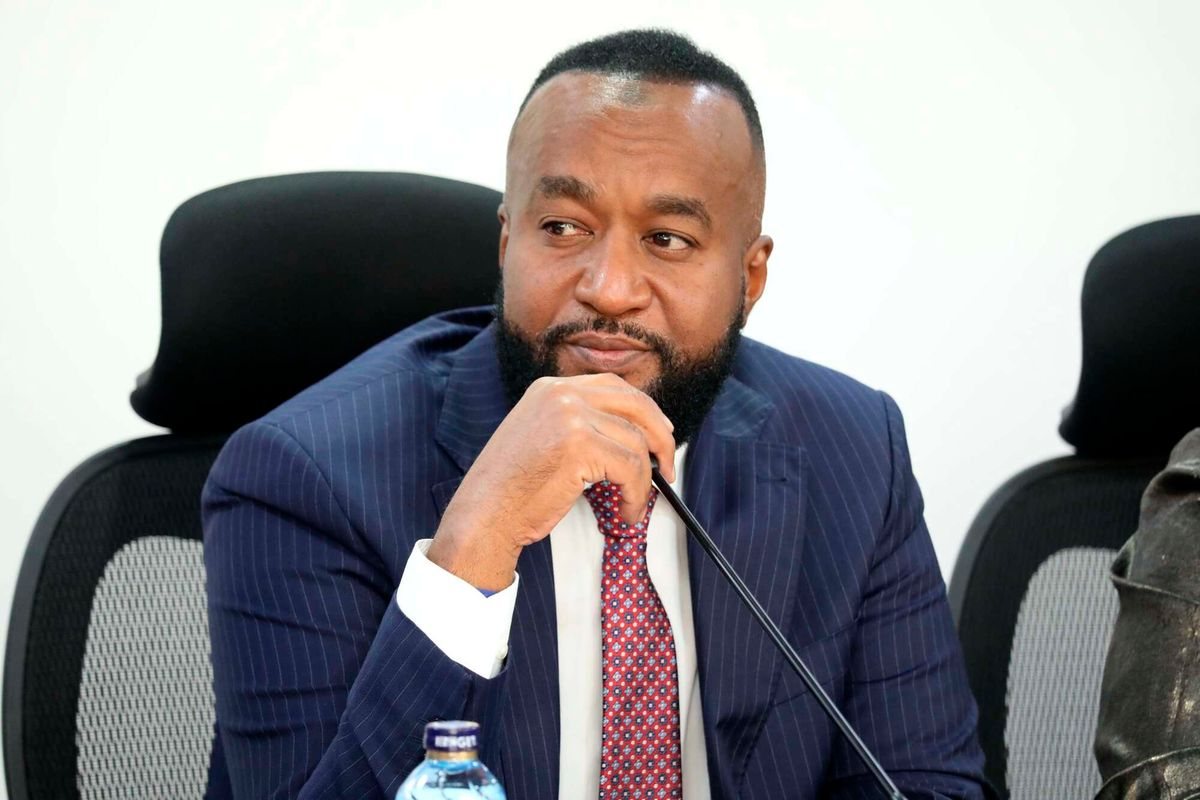
US consortium wins Sh8 trillion Mrima Hill rare earths tender in Kwale
.jpeg)
RareX to Challenge Mrima Hill Award to US-Led Consortium Over Alleged Late Bid
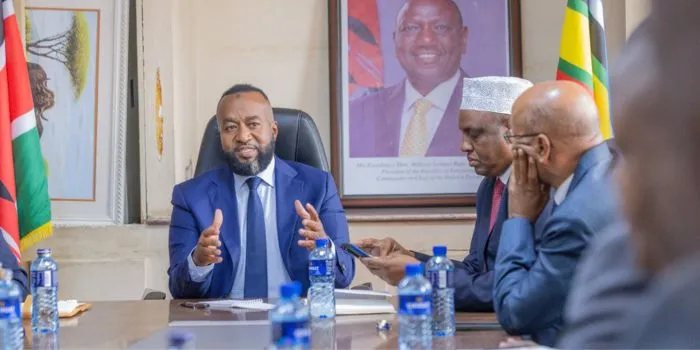
US-Linked Consortium Picked for Ksh8 Trillion Mrima Hill Project as Joho Sets Conditions
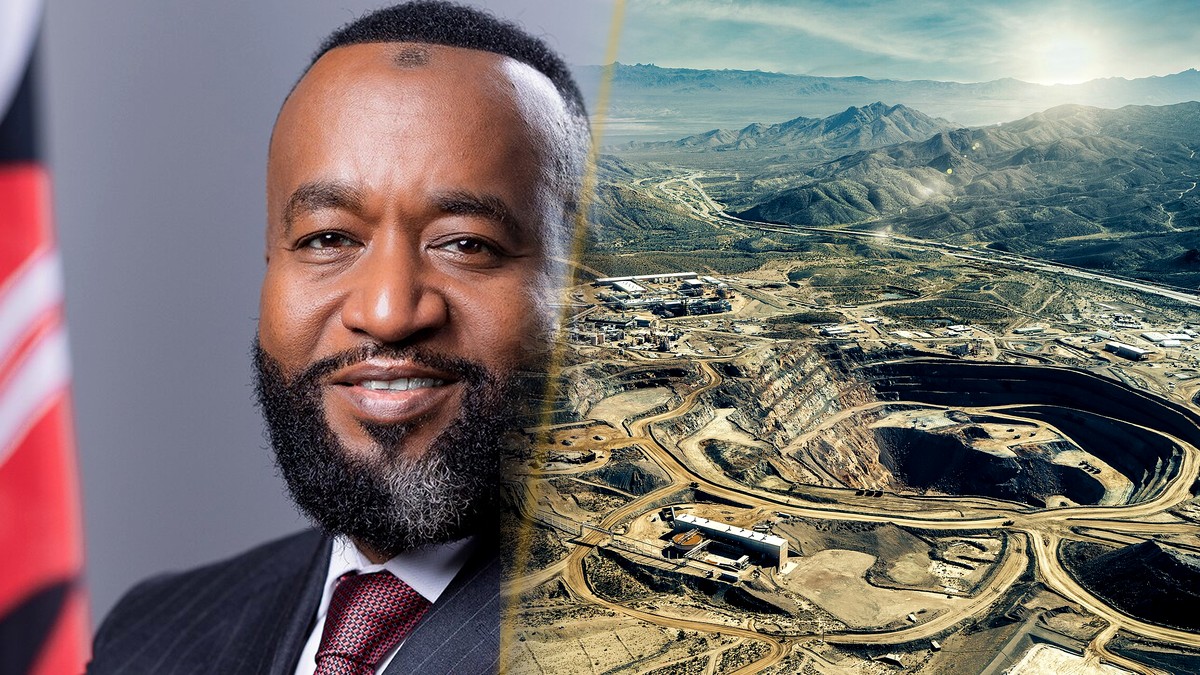
Two Chinese firms quit Mrima Hill rare earths race as Joho says winner will be named within three weeks
Australian Firm Challenges Planned Award of Ksh8.2 Trillion Mrima Hill Project to US Group
Global Community Remarks
0