
Kenya's housing shortage climbs past 2.8 million units, UN-Habitat report shows
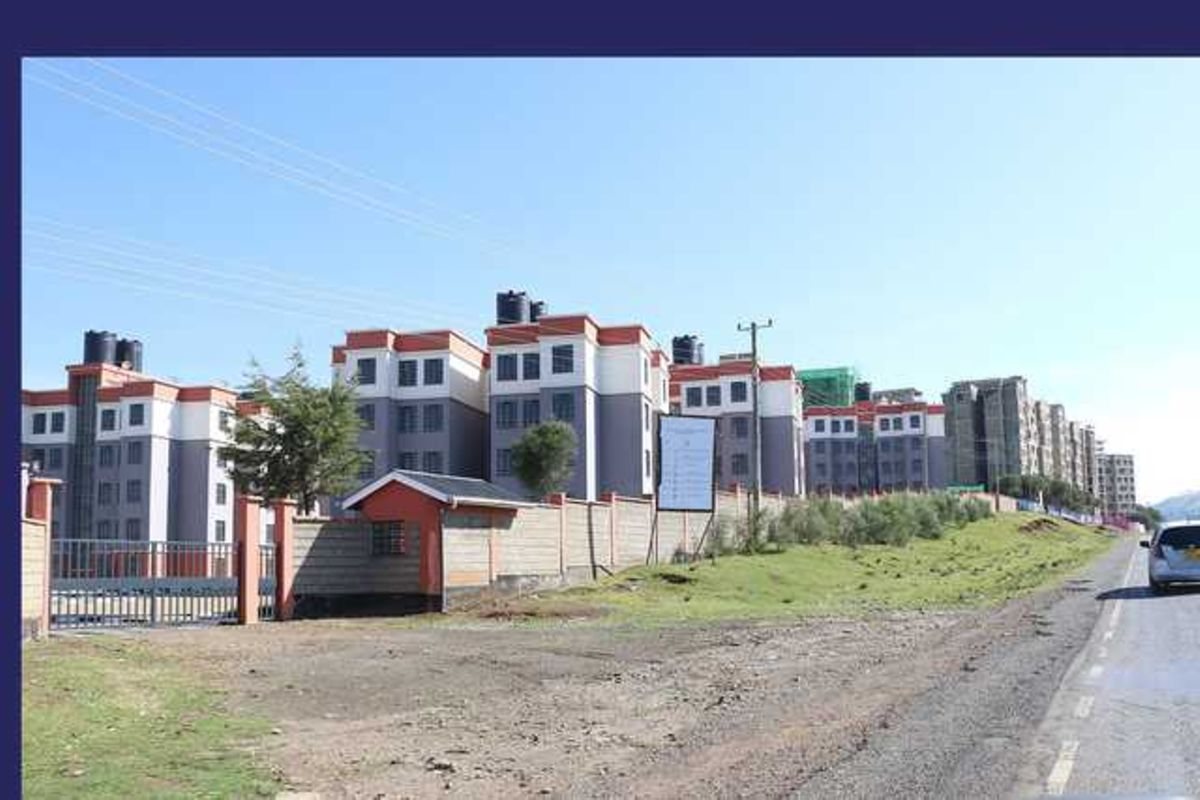
Kenya's housing shortage has grown to more than 2.8 million units as fast-growing towns and cities struggle to keep pace with demand, according to a new United Nations report cited by Business Daily.
The 2026 UN-Habitat report shows the deficit widened by 300,000 units between 2020 and 2023. The figures suggest sustained pressure on the housing market, even as the government works to increase the supply of affordable homes.
Urban growth driving demand
The report links the shortage mainly to Kenya's expanding urban population, which is raising demand for homes, infrastructure and basic services in urban areas.
Only about one in three of Kenya's 50 million people currently live in cities. However, most of the country's population growth is happening in urban areas, and a majority of Kenyans are expected to be city dwellers by 2033.
Kenya's cities are adding nearly one million people every year, according to Business Daily, a trend that is worsening the situation. A lack of financing has been identified as another major obstacle.
Families under financial strain
More than 10.3 million Kenyans live in informal settlements. An estimated 55 percent of households spend more than 30 percent of their income on rent, a sign of the heavy burden many families carry as they look for decent housing.
The UN report warns that a combination of rapid urbanisation, rising land prices, growing inequality, the treatment of housing as an investment and worsening climate impacts is "outpacing the capacity of national and local governments" to provide adequate, affordable homes.
Across Africa, which has the fastest-growing cities in the world and 40 percent of its people living in urban areas, most new housing targets middle- and upper-income buyers because high-end developments are more profitable, Business Daily reports.
Affordable Housing Fund
The pressure on urban housing prompted Kenya to set up the Affordable Housing Fund, which is meant to finance the construction of homes for lower-income Kenyans.
The fund is financed through a 1.5 percent deduction from workers' monthly pay. It was intended to deliver more than 200,000 affordable units every year while creating thousands of jobs.
A regional crisis
Kenya's shortfall is part of a much larger problem across Sub-Saharan Africa, where the housing deficit stands at 120.5 million units, according to the report.
- Nigeria: 28 million units
- Ethiopia: 12 million units
- DR Congo: 10.9 million units
- Tanzania: 4 million units
- Kenya: 2.8 million units
- Uganda: 2 million units
The data show that housing shortages rose in Kenya, Tanzania and Uganda over the review period, pointing to a wider East African challenge.
The findings underline the scale of construction Kenya will need to undertake to close its housing gap and slow the expansion of informal settlements in its towns and cities.
This story was prepared by the Hamasta Newsdesk with AI assistance, based on reporting by Business Daily. Read the original report. Photo: Business Daily.


Take your event live to thousands.
Multi-camera live streams, panel discussions and digital broadcasts with professional crews.




More in Business
See all
Kenya woos foreign building materials makers to set up factories and boost affordable housing

Affordable Housing Project In Pioneer, Eldoret, Signals Progress In Ruto’s Development Agenda

High Court says Ruto's pledge of affordable housing quotas for teachers and police has no legal effect

'You will find crates of milk sitting there': Ndii blames empty supermarket shelves on affordable housing workers, not falling supply

Kenya's first-quarter budget deficit hits record Sh384bn as spending overshoots

Global Community Remarks
0