
US regulator clears SpaceX to put up to one million data centres in orbit
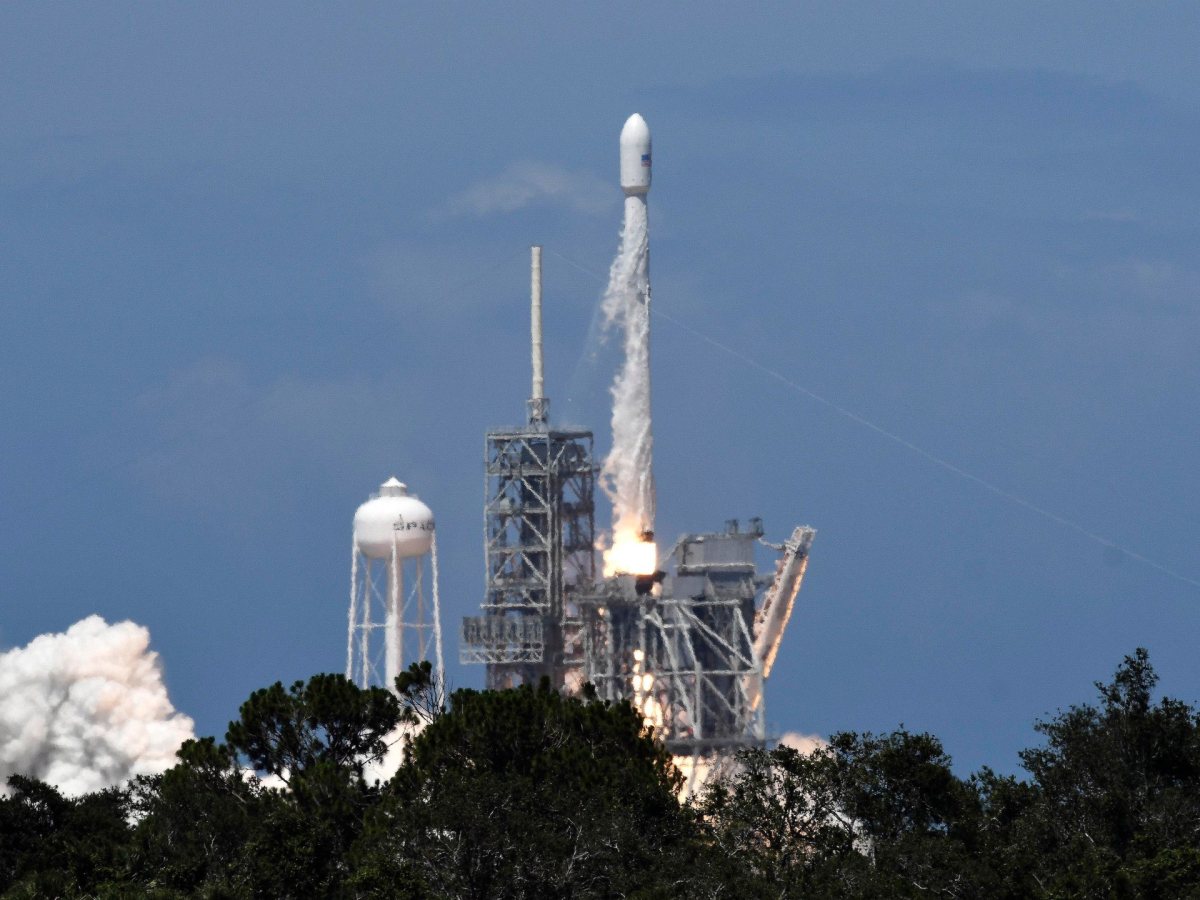
United States regulators have given Elon Musk's SpaceX permission to launch a constellation of up to one million data centres into space, a project the company has named "Starmind", according to Al Jazeera.
The Federal Communications Commission (FCC) announced the authorisation on Wednesday. The commission described the decision as the first of its kind in US history. It said the approval was aimed at helping meet the fast-rising demand for computing power needed to run artificial intelligence (AI) systems.
Orbital compute modules
Under the approval, SpaceX may deploy 1,000,000 orbital compute modules. According to the FCC, these would process large volumes of data in space for use on Earth.
The regulator framed the move as part of a national push in AI. It said the decision would allow SpaceX to develop emerging technology that strengthens American leadership in both space and artificial intelligence.
FCC Chairman Brendan Carr said in a statement that the action "opens a bold new frontier for the computing infrastructure" behind America's growth.
Musk welcomed the decision on X. He thanked the regulator and said the project would benefit both the United States and the wider world.
Data centres form the physical foundation of AI services and use enormous amounts of electricity. SpaceX applied for permission to deploy Starmind earlier this year.
Will one million satellites really fly?
It remains unclear whether SpaceX actually intends to place one million satellites in orbit. Al Jazeera reports that about 17,000 satellites are currently in space.
Satellite operators sometimes seek approval for far more spacecraft than they plan to launch. Doing so gives them more flexibility in how they design their systems.
SpaceX followed this approach with its Starlink internet network. The company sought approval for 42,000 Starlink satellites before it began launching them. The network now has just over 11,000 satellites in orbit.
Last month, two FCC units, the Space Bureau and the Wireless Telecommunications Bureau, granted further authority to a SpaceX subsidiary, Space Exploration Holdings, LLC. The approval allows it to launch and operate the SpaceX NGSO MSS System, which is sold commercially as Starlink.
Amazon criticism
The Starmind plan has drawn criticism from rivals, including Leo, Amazon's satellite business. Critics have argued that SpaceX is unlikely to deploy the full number of satellites. They also said it could take centuries to do so.
Carr dismissed the objections. He said Amazon should concentrate on fixing problems with its own launches and satellite constellation. In his view, the company should do that rather than worry about competitors that are launching satellites at the speed SpaceX has achieved.
The approval comes as technology companies race to secure more computing capacity for AI. Placing data processing in orbit is among the more ambitious proposals put forward to meet that demand.
This story was prepared by the Hamasta Newsdesk with AI assistance, based on reporting by Al Jazeera. Read the original report. Photo: Al Jazeera.




Know what people say about you.
Media monitoring, audience insights and strategic communication for your brand.


Read also

Elon Musk calls record $446m midterm spending foolish after Republican losses

Ramaphosa Tells Musk to Remember South Africa; Billionaire Hits Back With Racism Claim

South Africa orders Musk's Starlink to stop unauthorised operations

Virginia and Oregon sue SpaceX over Grok AI's sexualised images, including of children
Musk and Silicon Valley insiders push Nvidia to bring back Jensen Huang as CEO

Global Community Remarks
0