
Ecuador and US review paused joint military operations after deadly raid
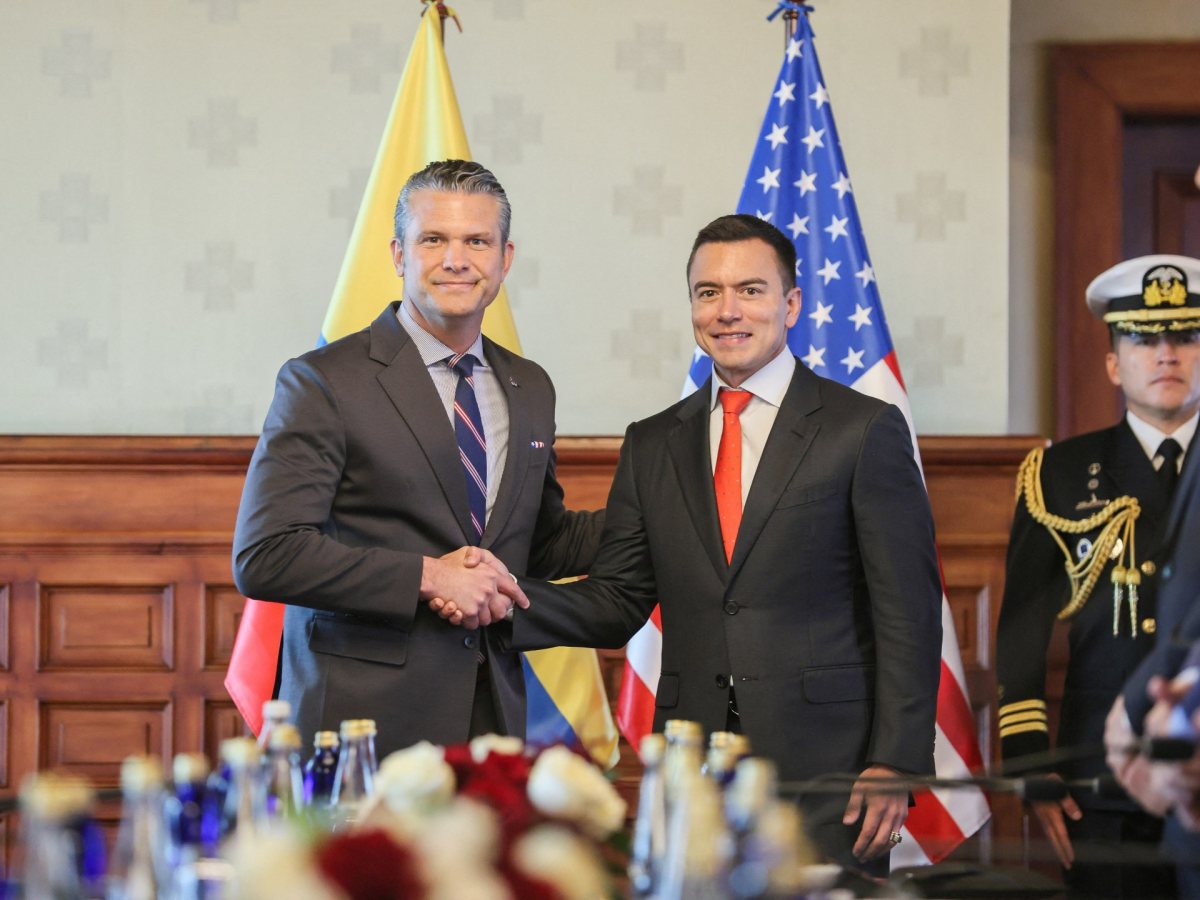
The United States and Ecuador have held talks on reviewing their joint military operations in the South American country, after Washington paused the cooperation pending an investigation into a lethal raid carried out by Ecuadoran forces, according to Al Jazeera.
The operation under scrutiny is believed to have been part of a campaign against drug trafficking and illegal mining. It has raised questions over whether Ecuador's military committed human rights abuses.
Minister describes talks as productive
Ecuador's Interior Minister, John Reimberg, said on Wednesday that last week's meeting in the capital, Quito, between US Defense Secretary Pete Hegseth and Ecuadoran President Daniel Noboa had been productive.
According to Reimberg, the discussions left Ecuador with an "established action plan" with the United States. He did not give details of what the plan contains.
Speaking in a radio interview, the minister suggested that some parties wanted to undermine ties between the two countries.
"Some would like to see these relationships, which have yielded so many positive results, damaged," Reimberg said.
Raid that triggered the pause
The suspension of joint operations followed concerns over possible crimes or human rights violations by Ecuadoran forces during an operation on September 23, The New York Times reported.
That operation killed Carlos German Munoz Jara, whom officials have described as a high-ranking gang member. Details of the circumstances surrounding his death have not been made public in the source report, and the outcome of the US investigation is not yet known.
A 'new phase' in the drug war
In March, President Noboa announced joint operations with the United States and other allies, presenting the effort as "a new phase" in Ecuador's fight against drug trafficking and illegal mining.
Later, the Taura Air Base in Ecuador reportedly saw an unusual deployment of US soldiers and aircraft. Noboa maintained that the American personnel were at the base only for "temporary activities" linked to bilateral cooperation.
The presence of foreign troops on Ecuadoran soil has drawn attention as the country grapples with escalating violence tied to organised crime and the drug trade.
Hardline approach to gangs
Noboa has pursued tough anti-gang policies since taking office. His government has been building mega-prisons in an attempt to contain a wave of drug-related violence.
The first of these facilities opened in November 2025. It was modelled on El Salvador's Terrorism Confinement Center, known as CECOT, and has capacity for 800 prisoners.
El Salvador's crackdown on gangs, which saw the construction of CECOT, has become a reference point for several governments in Latin America seeking to curb organised crime, though such approaches have also attracted criticism from rights groups.
What comes next
It remains unclear when, or under what conditions, the joint operations will resume. Ecuadoran officials have signalled confidence that the partnership with Washington will continue, pointing to the action plan agreed during Hegseth's visit.
The review is likely to be watched closely as a test of how security partnerships balance aggressive anti-crime campaigns with human rights obligations.
This story was prepared by the Hamasta Newsdesk with AI assistance, based on reporting by Al Jazeera. Read the original report. Photo: Al Jazeera.





Show the impact of your work.
Impact stories, campaign videos and community engagement for NGOs and programmes.

More in International
See all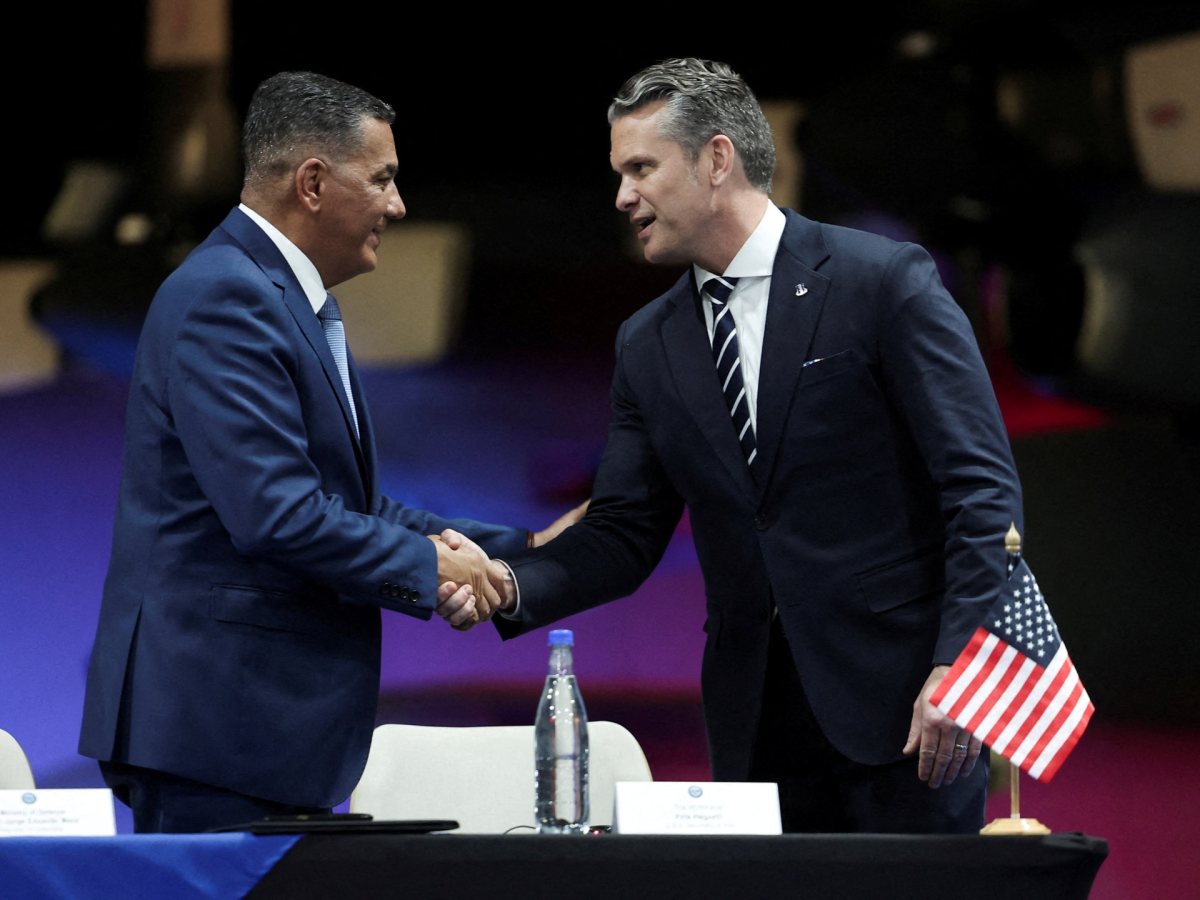
Hegseth hails US-Colombia security ties as Bogota set to host anti-cartel coalition
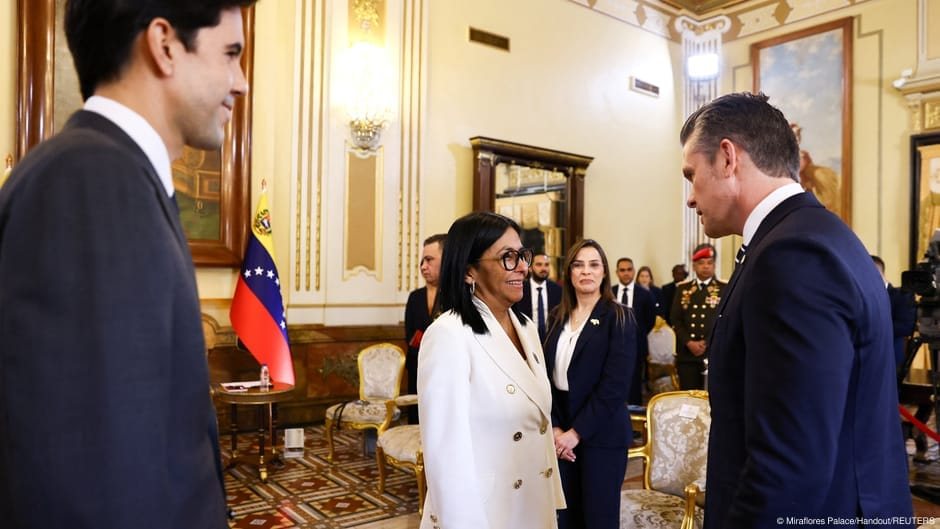
Hegseth signs military cooperation deal with Venezuela on Caracas visit
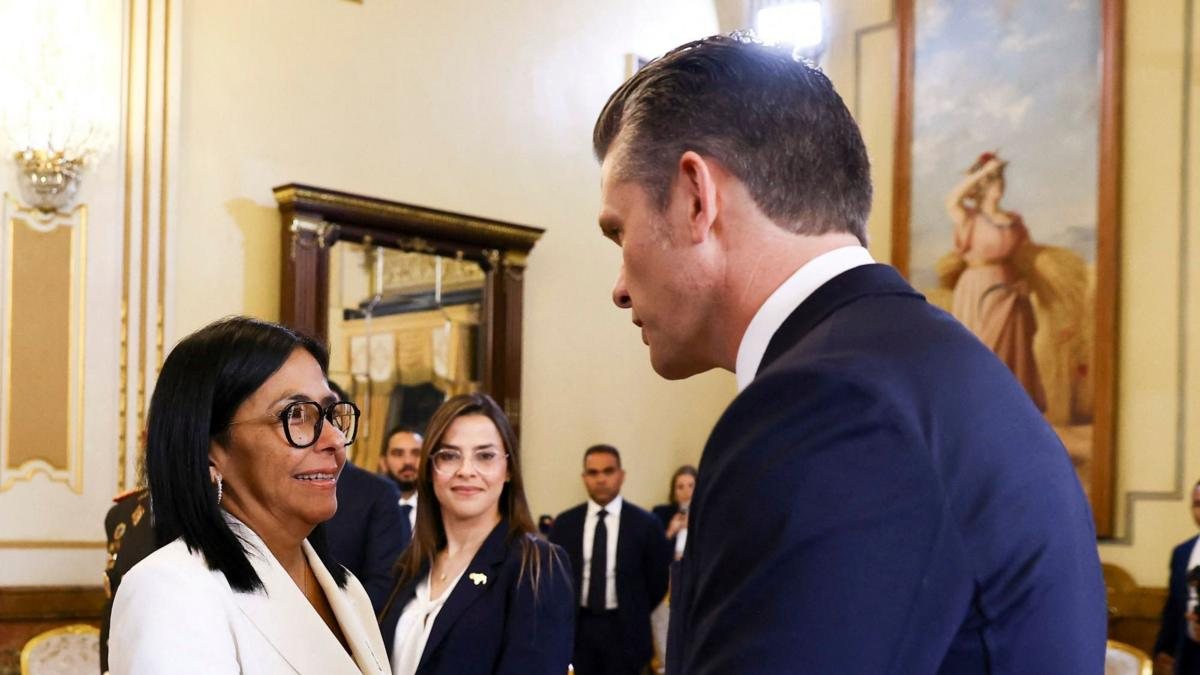
Venezuela and US sign military pact months after Maduro's capture
Thousands march across Colombia against tax plans as US military row grows

Muhoozi stars as Uganda held to goalless draw by Ecuador at U-17 World Cup
Global Community Remarks
0