
Saudi-led strikes on Hodeidah port raise fears for Yemen's aid lifeline
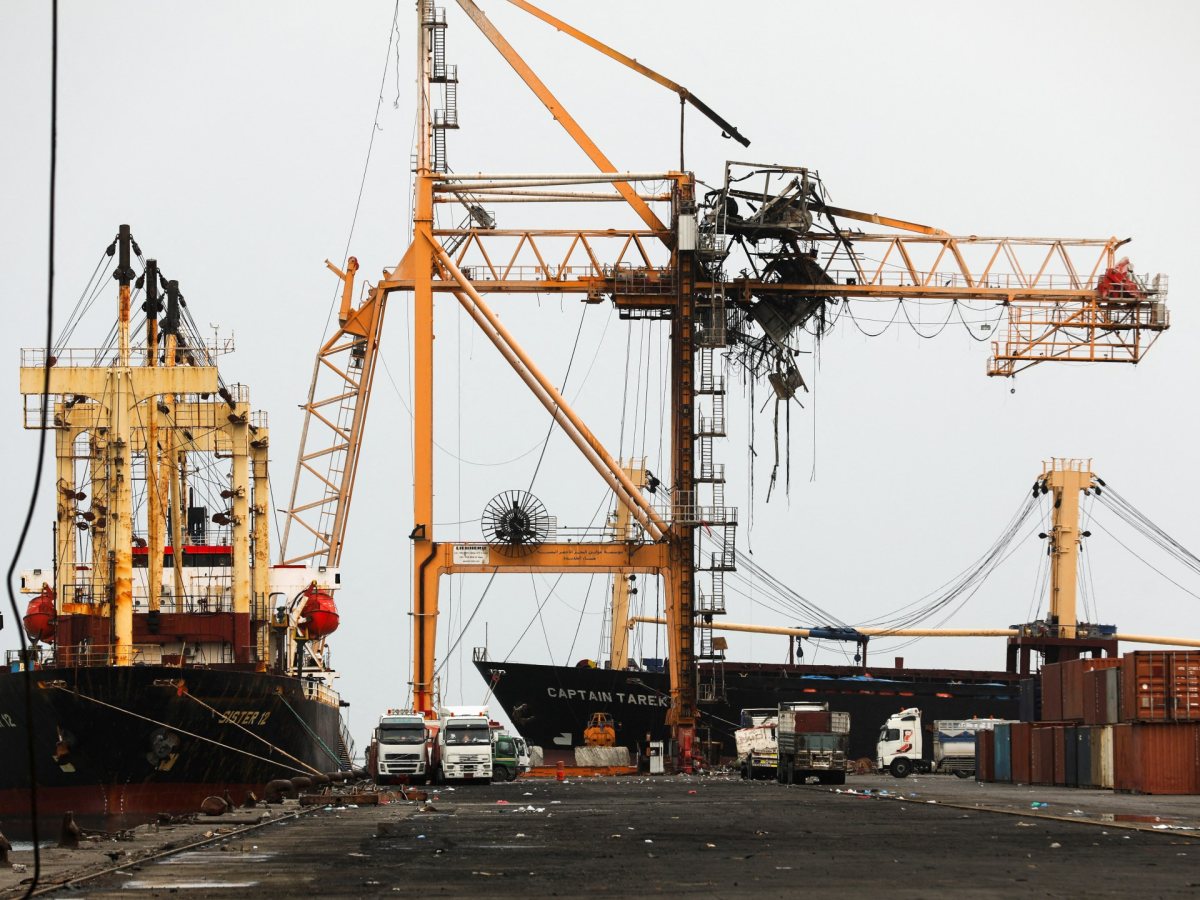
The Saudi-led coalition has carried out fresh air strikes on Houthi targets at Yemen's Hodeidah port. Humanitarian agencies warn that the attacks could choke the country's most important channel for food, fuel and medicine, according to Al Jazeera.
The coalition announced the strikes on Wednesday, days after it urged civilians living near the port to leave the area. It did not give details. The Houthis, who have controlled Hodeidah since 2014, have vowed that the attacks will not go unanswered.
A port millions depend on
Hodeidah sits on Yemen's western Red Sea coast and is the country's main commercial seaport. It supplies the densely populated north and west, including the Houthi-held capital, Sanaa. About 70 percent of Yemenis live in areas under Houthi control.
In September 2025, the United Nations Mission to Support the Hodeidah Agreement estimated that the port handled about 70 percent of Yemen's commercial imports and 80 percent of its humanitarian aid. This is despite years of war damage that has cut the number of working berths and damaged cranes and storage facilities. In 2023, the port had eight berths and could take 6,500 standard shipping containers.
Abdusattor Esoev, who heads the International Organization for Migration's mission in Yemen, said any closure or disruption would delay food, medicine and fuel. He warned it would also push up transport costs and prices for families already in an acute crisis.
Francesca Quinto, Yemen programme manager for Doctors Without Borders, described the port as essential for bringing basic goods to civilians across northern Yemen. Millions of people there rely on aid and face severe food insecurity.
Accusations of military use
The Houthis have long been accused of using the port for military as well as civilian purposes. Investigations have found that the group uses commercial facilities to smuggle weapons from Iran, its main ally.
Ibrahim Jalal, a senior researcher and policy adviser, told Al Jazeera that the Houthis' storage and smuggling of arms, fuel and narcotics was undermining the port's humanitarian role. Yemeni lawyer and rights activist Tawfiq al-Hamidi agreed the port had been misused. However, he said it must still be protected as a civilian facility, and the Houthis should offer real guarantees.
Why the strikes now
Full-scale war returned to Yemen in September. Since then, the Houthis have made sweeping territorial gains against forces of the internationally recognised government. A government counteroffensive launched in early October, backed by heavy air support, has failed to halt the advance. Government forces are now working to defend Aden, the interim capital.
Yemeni military analyst Ali al-Dhahab told Al Jazeera the strikes were broadly a response to the battlefield shifting in the Houthis' favour. He said they aimed to weaken the group's economic, logistical and military capabilities.
He added that escalating Houthi attacks on Saudi Arabia also played a part. These attacks have targeted airports, oil infrastructure and commercial buildings, including Thursday's attack on the headquarters of the kingdom's sovereign wealth fund in Riyadh. Before Wednesday's strikes, Houthi military spokesperson Yahya Saree repeated threats to hit Saudi Red Sea ports, singling out Jeddah.
Yemeni researcher Nabil Al-Bukairi told Al Jazeera the strikes should not be seen as a mere warning.
"I believe the strikes have gone beyond being merely symbolic," he said.
He warned that continued bombardment would eventually force the port to close.
A long history of attacks
Hodeidah has been hit repeatedly since the civil war began in September 2014. It has been struck by the Saudi-led coalition, the United States, the United Kingdom and Israel. Pro-government forces also tried to capture it in 2018.
The coalition imposed a partial maritime blockade on Houthi areas in March 2015. A UN-brokered truce in April 2022 eased fuel restrictions, and more curbs were lifted in early 2023. That recovery was set back by US, British and Israeli strikes from 2024 into the following year. Those strikes were in retaliation for Houthi attacks on Israel and Red Sea shipping.
Some aid still arrives through other ports such as Aden and Mocha. However, renewed fighting has made it hard to move supplies overland. The Houthis' detention of UN staff has also sharply limited aid operations in areas the group controls.
This story was prepared by the Hamasta Newsdesk with AI assistance, based on reporting by Al Jazeera. Read the original report. Photo: Al Jazeera.





Show the impact of your work.
Impact stories, campaign videos and community engagement for NGOs and programmes.

More in International
See all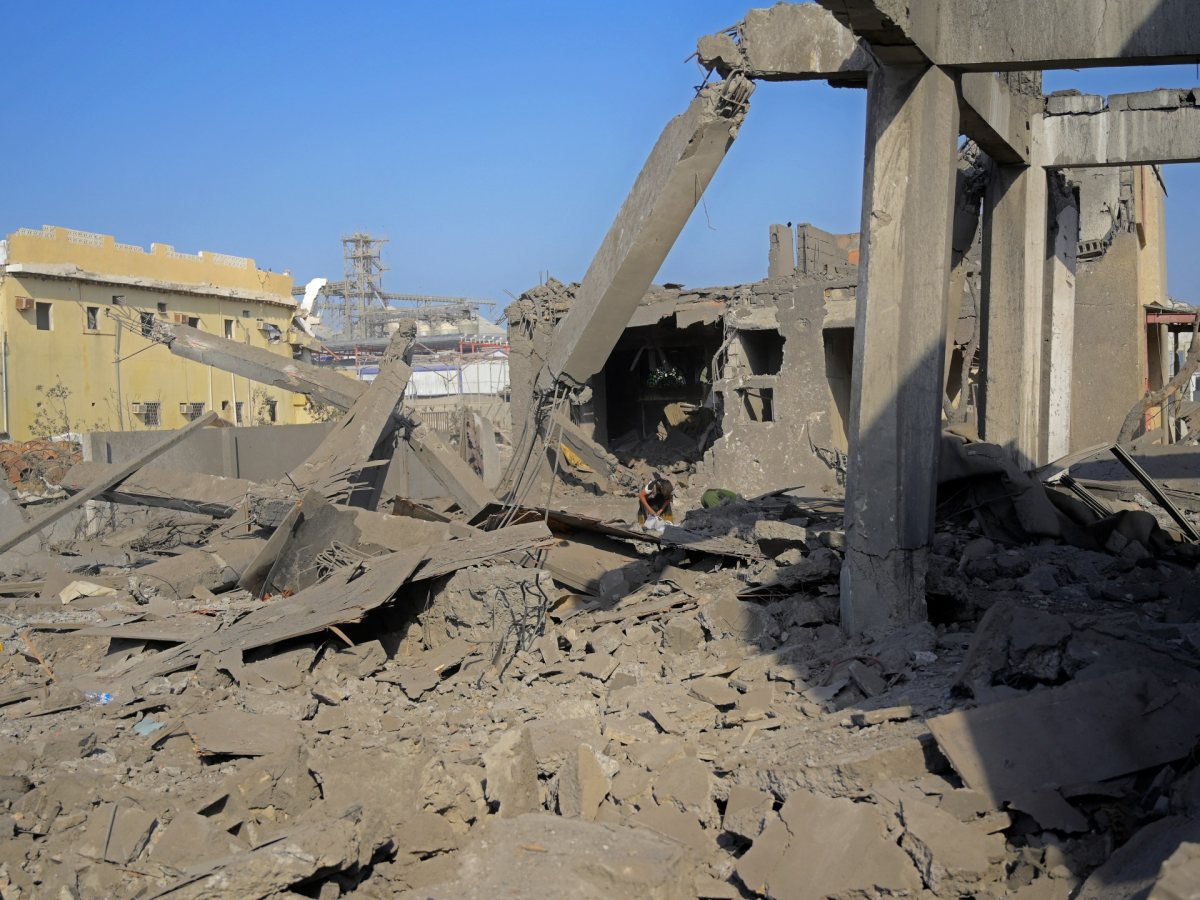
Houthis strike Saudi Red Sea ports as Yemen conflict escalates
Saudi-led coalition and Houthis trade threats to bomb Red Sea ports as strikes escalate

Saudi Arabia sacks Yemen coalition commander as Houthis close in on Aden

Saudi-led coalition says it shot down three Houthi missiles aimed at Riyadh

Yemen's parliament passes law branding Houthis a 'terrorist organisation'

Global Community Remarks
0