
Fears grow over al-Shabab threat as foreign troops begin leaving Somalia
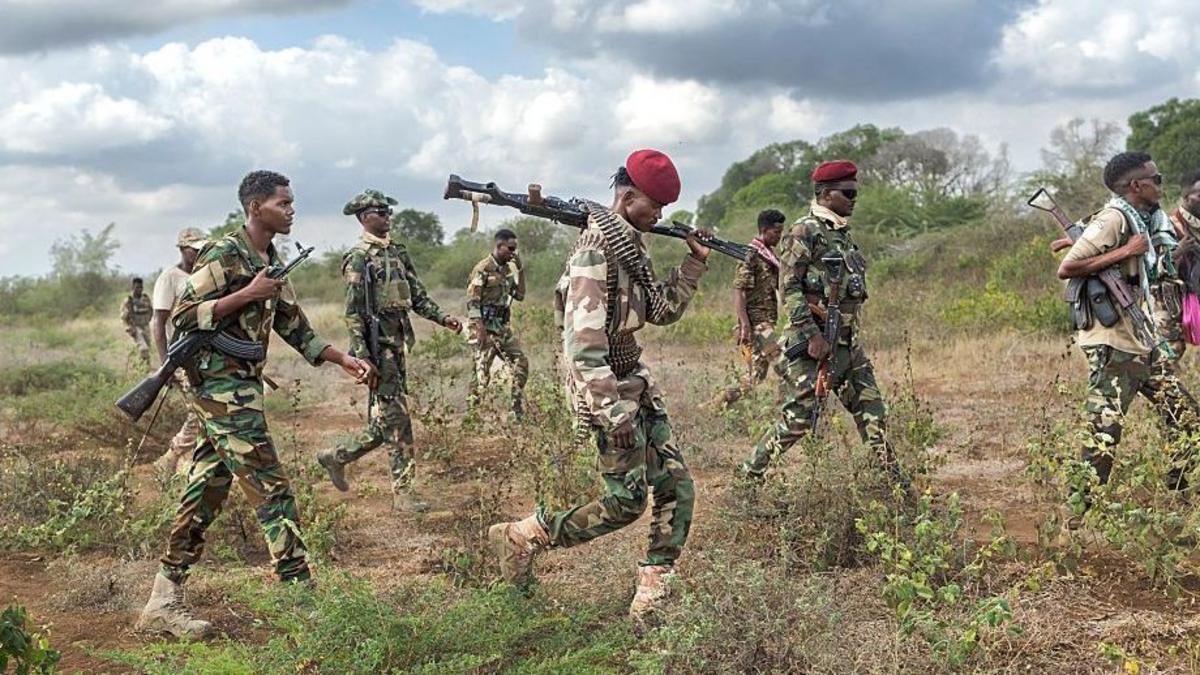
Somalia is facing one of its toughest stability tests in years as foreign troops start to pull out, money for its security forces comes under strain and a bitter row over elections divides its political class, according to BBC News Africa.
Some analysts fear the combination could embolden al-Shabab, the al-Qaeda-linked militant group, and even open the way for it to take the capital, Mogadishu. The group already holds large parts of the country despite the presence of about 12,000 African Union (AU) troops backing the government.
Troop withdrawals under way
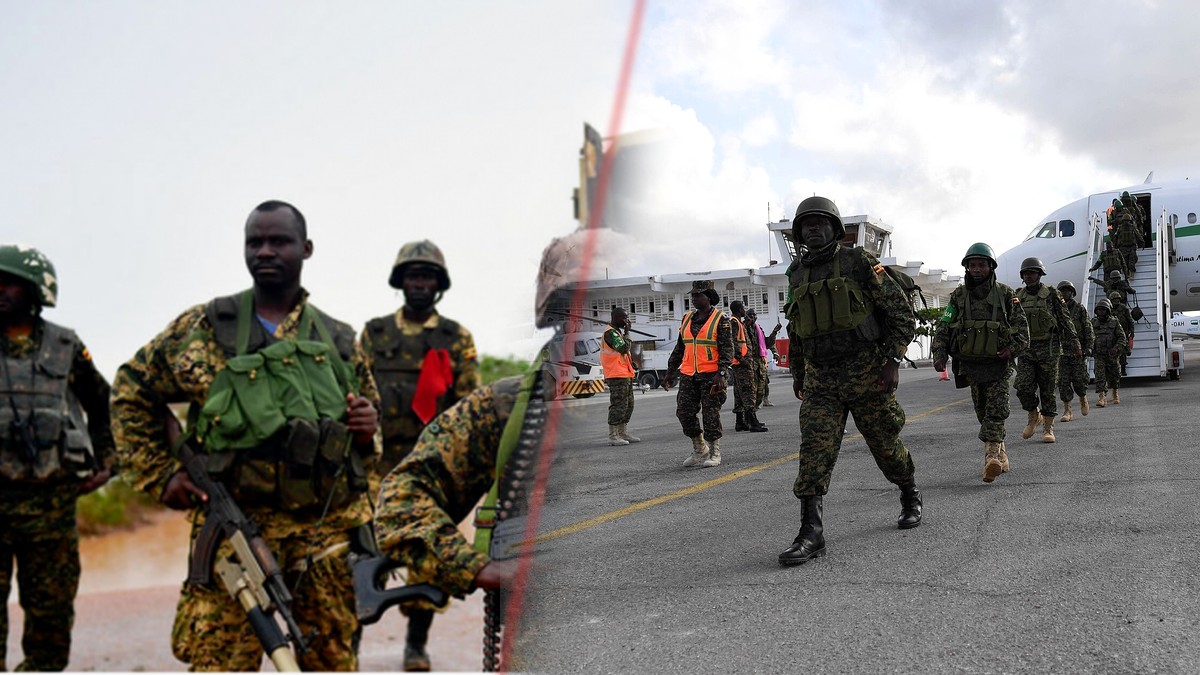
Uganda, which provides the largest contingent in the AU force, began withdrawing its soldiers last month and is expected to finish by next year. Ethiopia is also reportedly planning to pull out about 3,000 troops. It has 2,500 soldiers authorised under the AU mission and roughly 5,000 more under a bilateral deal with Mogadishu, and it is unclear which force the reported cuts would affect.
Kenya, Burundi, Djibouti and Sierra Leone have also contributed troops to the AU mission, while Turkey and the US have run separate deployments and trained and equipped Somali forces.
The US, which had announced cuts to the UN Support Office in Somalia (UNSOS), has since said it will extend its backing for a year. Washington provides about a quarter of the office's $500m annual budget, which supports Somali forces, AU missions and individual troop-contributing countries.
Concerns deepened after al-Shabab claimed it had killed hundreds of elite Somali soldiers in a recent attack. The government acknowledged the assault but did not give a casualty figure.
Warnings of a 'Taliban-style' takeover
Abdisalam Guleid, a former deputy director of Somalia's National Security Agency, told BBC News Africa that the capital could fall in a manner similar to Afghanistan in 2021, when the Taliban seized power after US and Nato forces left.
"I don't think Mogadishu will be able to defend itself," Mr Guleid said.
He argued that years of foreign protection had left the authorities failing to prepare their own forces adequately, and warned that some clan militias were now fighting alongside al-Shabab against the federal government. Somalia's central state previously collapsed in the early 1990s after clan-based rebels ousted President Mohamed Siad Barre, triggering civil war.
Information Minister Abdifatah Qasim Mohamud dismissed such fears, telling the BBC that Somali troops had already taken over some positions vacated by Ugandan forces and that the country could not rely on foreign soldiers forever.
Ugandan security analyst Freddie David Egesa also struck a more hopeful note, saying the staggered departure would test the progress Somalia has made and could push rival politicians to cooperate.
Election dispute adds pressure
Omar Mahmood of the International Crisis Group said Somali forces were stretched, fighting al-Shabab while taking over foreign-held positions and battling forces loyal to the ousted president of South-West state in the Bay region.
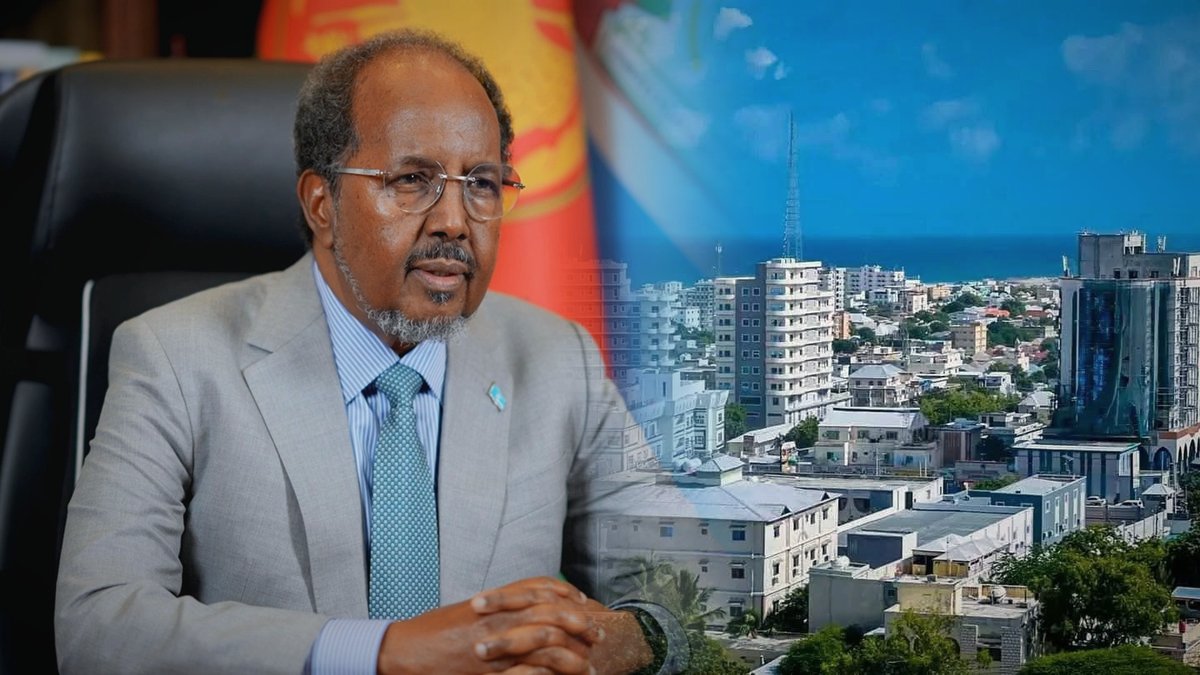
He linked the security strain to a political crisis over elections. President Hassan Sheikh Mohamud pushed through constitutional changes extending the presidential term from four to five years, delaying polls until 2027. This month the Supreme Court ruled against the extension and ordered elections within three months. A day before the ruling, the president dismissed Chief Justice Baashe Yusuf Ahmed, and the government has since rejected the decision.
Heavy reliance on donors
Finance ministry data shows donor grants of $878.8m make up two-thirds of Somalia's planned $1.36bn budget for 2026, yet only about $314m had arrived in the first nine months of the year.
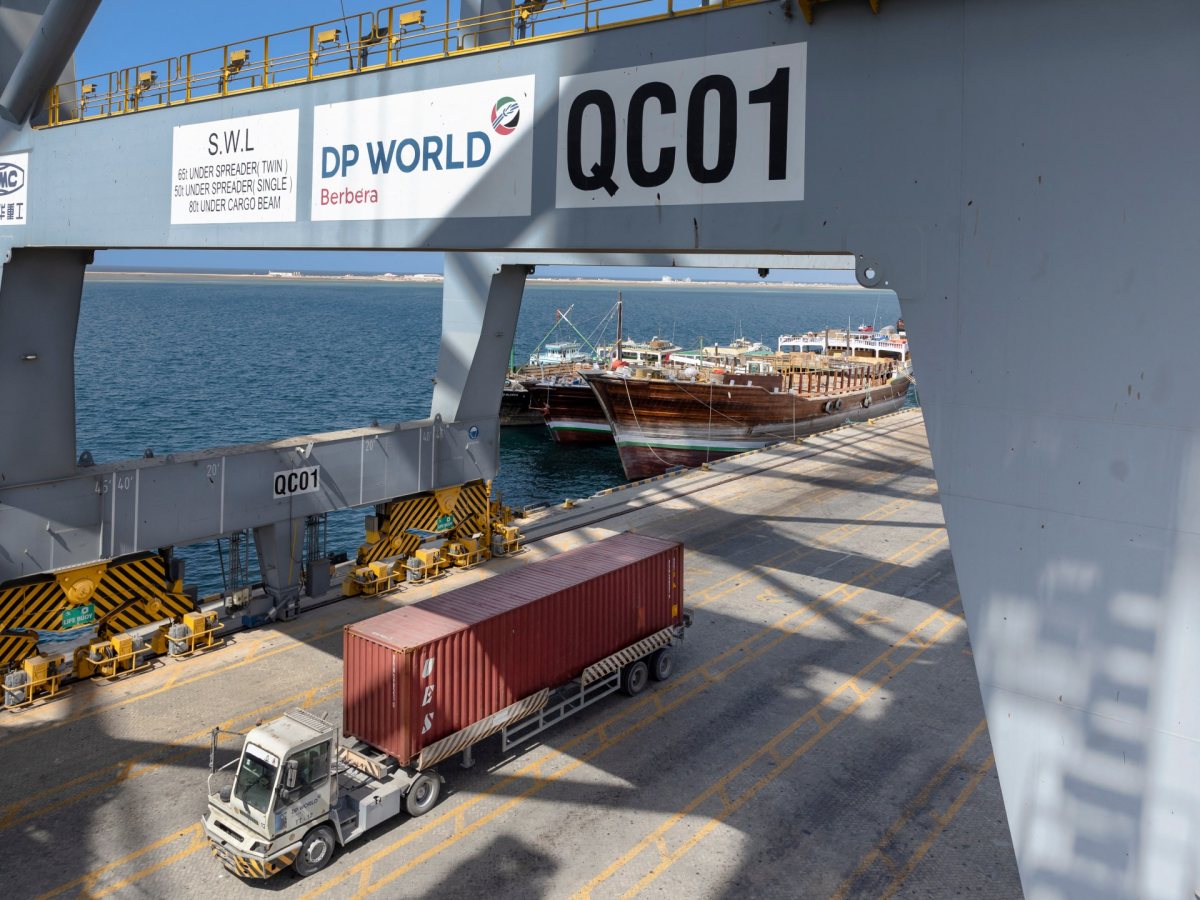
Relations with some partners have also soured. Somalia has accused the United Arab Emirates of funding armed groups, a charge the UAE rejects, and the two countries cut formal ties earlier this year.
This story was prepared by the Hamasta Newsdesk with AI assistance, based on reporting by BBC News Africa. Read the original report. Photo: BBC News Africa.


Take your event live to thousands.
Multi-camera live streams, panel discussions and digital broadcasts with professional crews.




More in International
See all
Somalia Speaker Accuses Kenya, Ethiopia, Uganda of Colluding With Al-Shabaab
Uganda begins pulling troops out of Somalia after nearly 20 years, piling pressure on Kenya and other AU partners
Hundreds rally in Mogadishu to back Somalia's expulsion of UAE ambassador
Somalia's Hassan Sheikh invites opposition to Mogadishu election talks as 2027 timetable dispute deepens
Somalia expels UAE envoy as row with Abu Dhabi tangles with domestic power fight
Global Community Remarks
0