
APHRC study: Six in ten Grade 3 pupils cannot read a Grade 3 English story
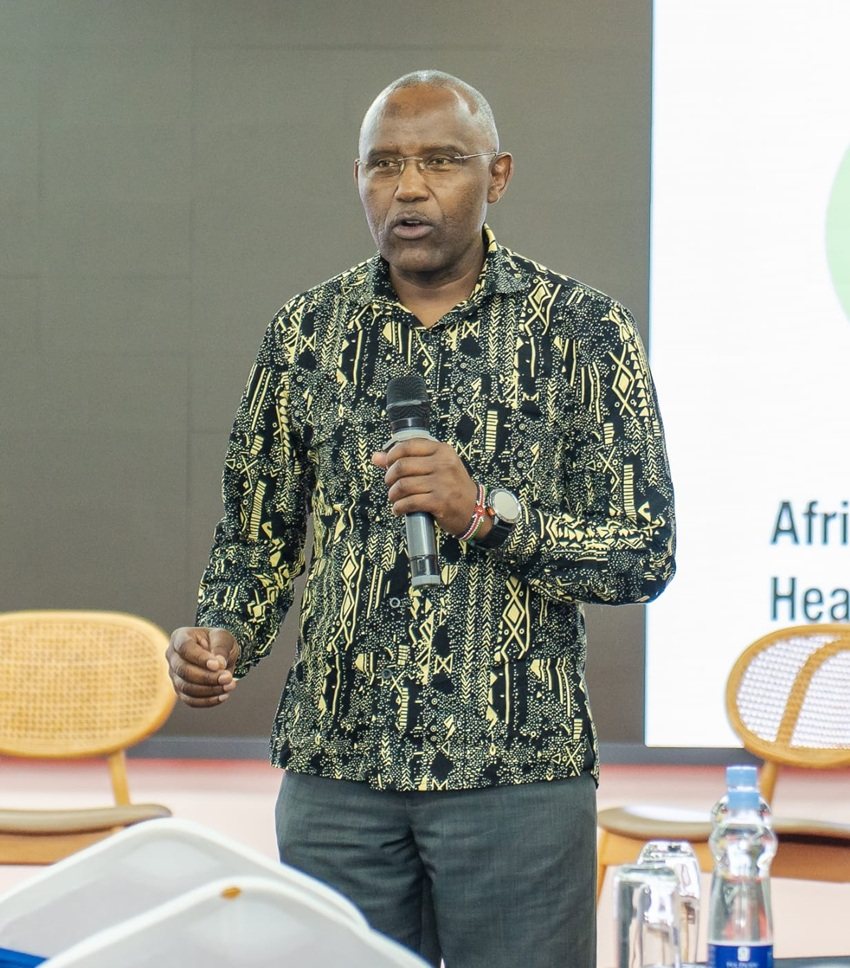
Most Grade 3 learners in Kenya's public primary schools are struggling with basic reading and arithmetic, and overcrowded classrooms, teacher shortages and a lack of learning materials are among the main reasons, according to a new study by the African Population and Health Research Center (APHRC).
The research found that six in ten Grade 3 pupils cannot read and understand an English story pitched at their grade level, while eight in ten cannot solve a basic numeracy problem at the same level, KBC reported.
The study covered 200 public primary schools in 11 counties. It looked at how literacy and numeracy are taught in the early grades and what shapes teachers' classroom practices.
Coaching makes a difference
Researchers found that teachers who received regular coaching showed better teaching practices and stronger engagement with their learners. However, Curriculum Support Officers (CSOs), who are tasked with mentoring teachers, often lack transport, and some are responsible for as many as 15 schools.
Moses Ngware, who leads education research and the Human Development theme at APHRC, told KBC that the poor results prompted the team to examine what drives learning outcomes. He argued that CSOs should be facilitated to move between schools to coach teachers.
He also called for greater investment in foundational learning and for mentorship in the classroom involving both education officers and head teachers.
"Without that, forget it. It is not going to happen by miracle," Ngware said.
Wide gaps in class sizes
The study recorded an average of 36 learners per teacher across the counties surveyed, but the figure varied sharply. Nairobi had 65 learners per teacher, compared with 17 in Makueni. Ngware said some classrooms in Nairobi's informal settlements held more than 100 pupils.
Large classes, he said, make it hard for teachers to give individual attention, especially during reading practice. He suggested that schools identify and copy teaching methods used in crowded classrooms where pupils are nonetheless reading well.
Teaching under trees
Teachers on the ground described conditions that echo the findings. Elizabeth Lokai Lokwe, a Grade Two teacher in Turkana County, told KBC that Grade One and Two pupils at her school learn under trees because there are not enough classrooms.
She has 68 learners in her class and said that using her phone to demonstrate lessons is difficult because not every child can see the screen. Some schools also lack electricity and working digital devices.
Her school has only seven teachers, and she handles Grade Two, Grade Four and Grade Nine in junior secondary school. She said moving between classes, sometimes teaching subjects outside her specialisation, harms lesson quality. During group work, as many as ten learners may share a single textbook.
Lokwe also raised concerns about teachers' mental well-being, saying heavy workloads combined with personal and family pressures affect the attention they can give pupils. She called for continuous training, noting that teachers sometimes wait a full year between sessions.
She said CSOs in Lodwar may ride a motorcycle for up to three hours and spend about KSh3,000 to reach a single school.
Officers short of resources
In Murang'a County, Davis Gitonga, a Curriculum Support Officer in Kigumo Sub-County, said poor transport, office facilities and teaching resources make regular school visits difficult. He stressed that the role of officers is to guide and mentor teachers rather than to inspect or intimidate them.
Gitonga said some teachers still find it hard to interpret Competency-Based Education (CBE) curriculum designs, set learning outcomes and prepare assessment tools, while others rely on traditional lecture methods instead of learner-centred approaches. He warned that learners may fail to gain the intended skills and values as a result.
He urged the Ministry of Education and the Teachers Service Commission (TSC) to provide transport and other resources so that officers can visit schools regularly and mentor teachers effectively.
This story was prepared by the Hamasta Newsdesk with AI assistance, based on reporting by KBC. Read the original report. Photo: KBC.

Tell your story on screen.
Commercials, documentaries, interviews and social video, from script to final cut.





More in Education
See all
90 pupils per class and less than Sh9,000 a month: Study finds refugee camp teachers are among Kenya's most committed and worst paid

A JOURNEY OF LEARNING, UNITY AND EXCITEMENT: soe (English literature )

Publishers halt Grade 11 textbook printing over Sh7bn unpaid government bills

Kenyan Universities Turn to Online Learning as Student Numbers Rise
KJSEA 2026 results due in December ahead of Grade 10 placement, says CS Ogamba

Global Community Remarks
0