
Steinmeier urges German firms to take bolder bets on Africa on farewell tour
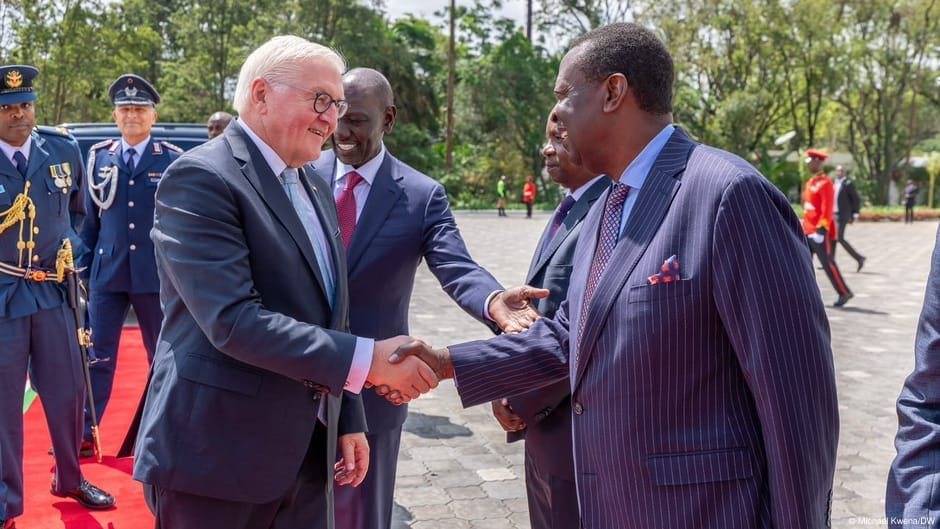
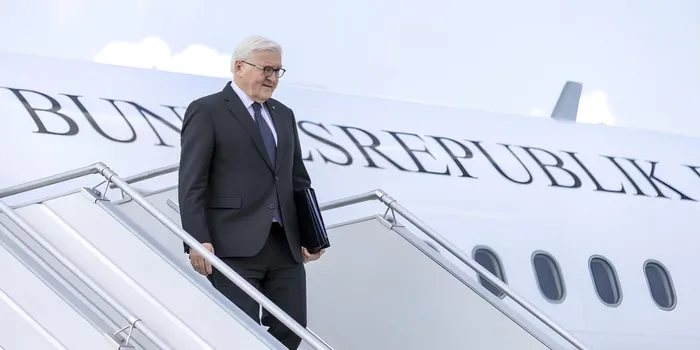
Outgoing German President Frank-Walter Steinmeier has used his final official tour of Africa to challenge German businesses to be more daring on the continent, warning that they remain far behind their potential while China and other players move faster, according to DW News.
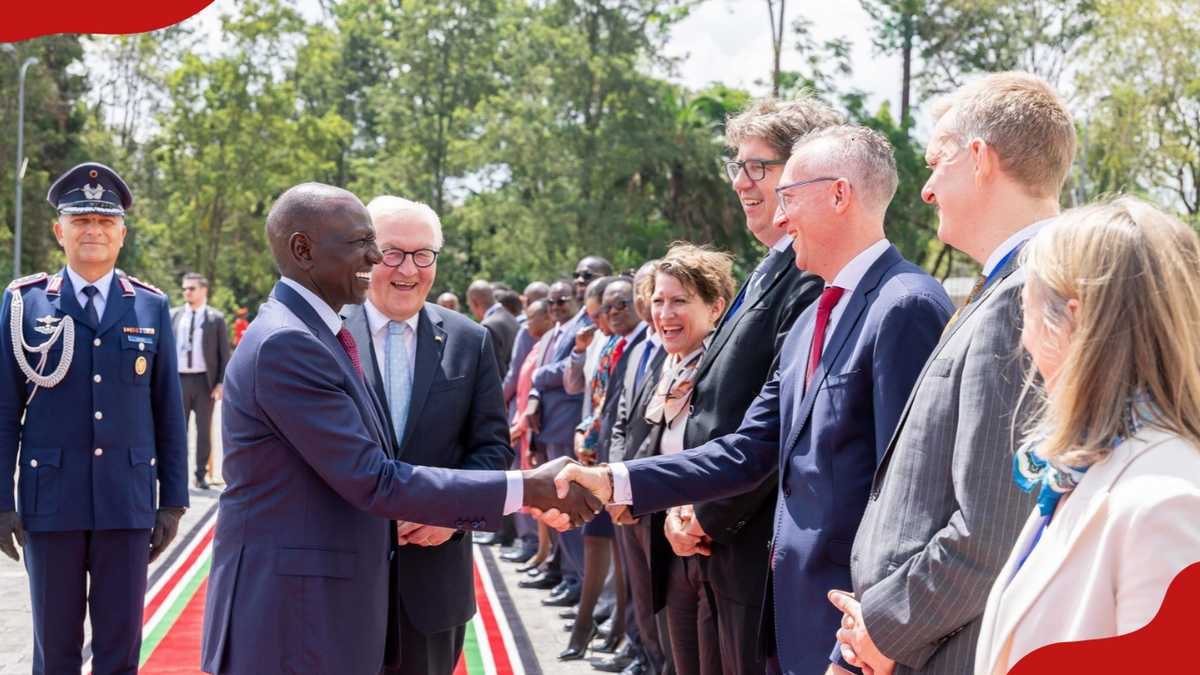
The trip took Steinmeier, accompanied by a German business delegation, to Côte d'Ivoire, Ghana and Kenya. In Nairobi, he held talks with President William Ruto on labour migration and training opportunities for young Kenyans.
Speaking at the German-African Business Summit in Ghana, Steinmeier said that although much had changed since the first such summit in Berlin in 2015, which he opened as foreign minister under Angela Merkel, Germany was "still far from where we could be". His message to German companies was direct: be curious and take risks.
A personal farewell
Steinmeier said that with his presidency drawing to a close, he wanted to visit Africa once more, describing it as a continent especially close to his heart. Over two decades as foreign minister and president, he has made 30 trips to African countries.
Reflecting on those visits, he said there is "not one Africa, but many", with uneven development across the continent, a reality he believes should be better communicated in Germany.
Germany seen as too cautious
Some business figures at the summit agreed that German firms are overly hesitant. Jude Numfor, who works for energy company REI in Cameroon, told DW News that Chinese investors are quick to act while Germans spend longer preparing.
According to DW News, German-African trade grew by 10.5 per cent in 2025 to €63.4 billion. Yet in direct investment, German companies lag behind China, Turkey and Gulf states, which have shown a greater appetite for risk. Chinese lenders in particular have financed major railways and ports and bought into mines and raw materials, though such projects often create few local jobs because Chinese firms frequently bring their own workers.
The emerging African Continental Free Trade Area, covering most of the continent, is seen as adding to Africa's market potential.
Jobs and migration in focus
Job creation is a pressing concern. DW News reports that about one million young people join Kenya's labour market every year, with even larger numbers in Nigeria. Germany backs vocational training in Africa and has, for several years, allowed skilled African workers to move to Germany.
In Kenya, Steinmeier and Ruto discussed the 2024 bilateral migration and mobility partnership and expanded language and vocational training. Around 9,500 Kenyans now work in Germany, with nearly 1,300 in vocational training there. Steinmeier said in Nairobi that Germany wanted to create "regular, fair, and orderly pathways" for labour migration.
In Abidjan, the president visited a vocational school for mechanics and industrial maintenance.
Window of opportunity
Fritz Audebert, chief executive of ICUnet, which advises German firms on overseas investment, said a favourable investment window was opening in Africa. He attributed a shift over the past two years partly to geopolitical changes, difficulties in China and the war in Iran, adding that small and medium-sized German firms were now showing interest too.
Audebert singled out Côte d'Ivoire, the world's largest cocoa exporter, praising the expertise of its ministers.
Delegation members also argued that Germany's car industry should pay closer attention to Africa's growing urban middle class. Markus Thill, president of Bosch Africa, said households earning €10,000 or more a year can typically afford a new car, suggesting a potential market of five to ten million new vehicles annually. Instead, he noted, Europe exports millions of old used cars to Africa that could no longer be registered in Europe.
Closing his tour, Steinmeier said the visit was not only about business, describing Côte d'Ivoire, Ghana and Kenya as close partners on the international stage.
This story was prepared by the Hamasta Newsdesk with AI assistance, based on reporting by DW News. Read the original report. Photo: DW News.





Show the impact of your work.
Impact stories, campaign videos and community engagement for NGOs and programmes.

More in International
See all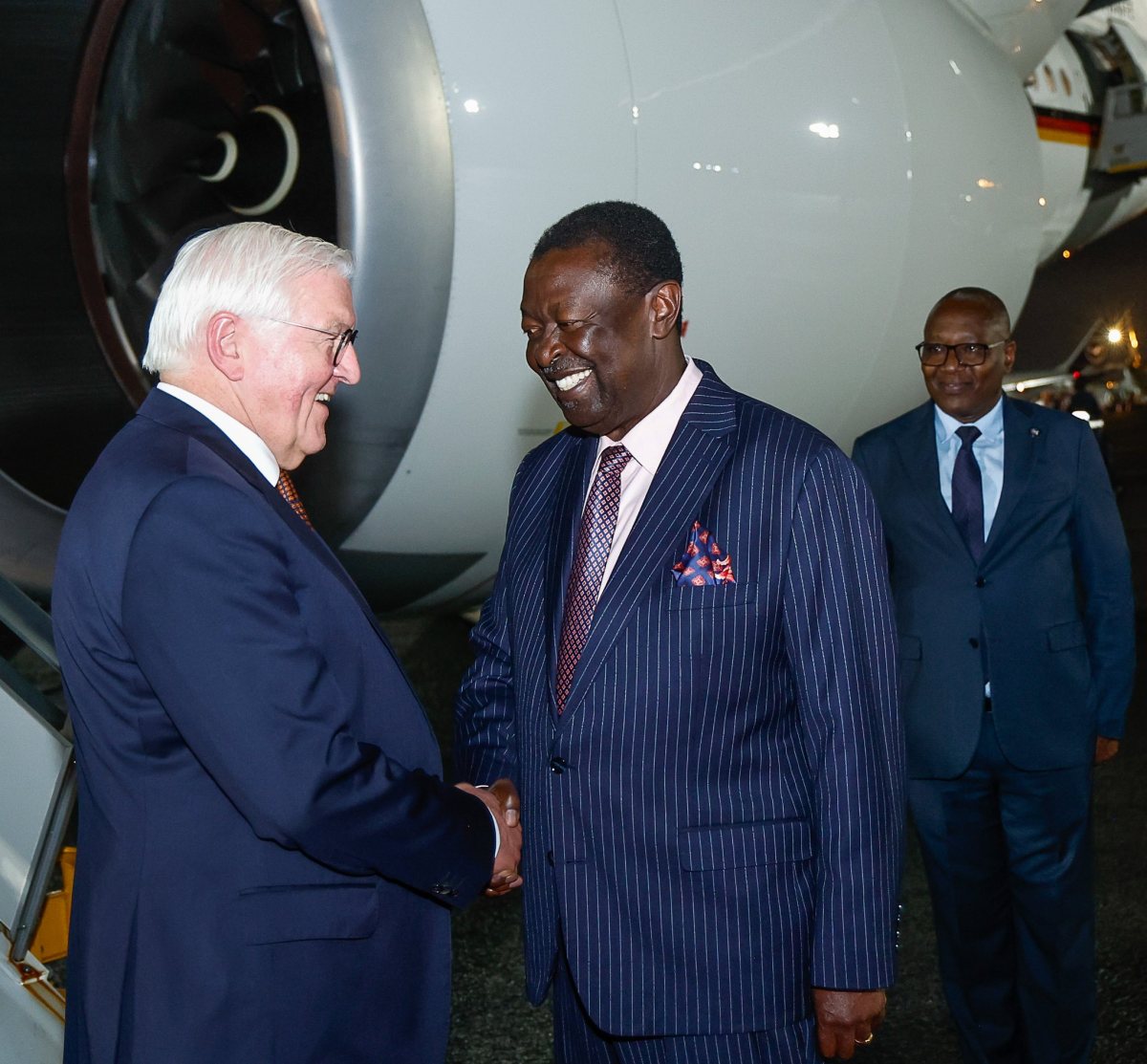
German President Steinmeier lands in Nairobi for talks with Ruto on trade and investment
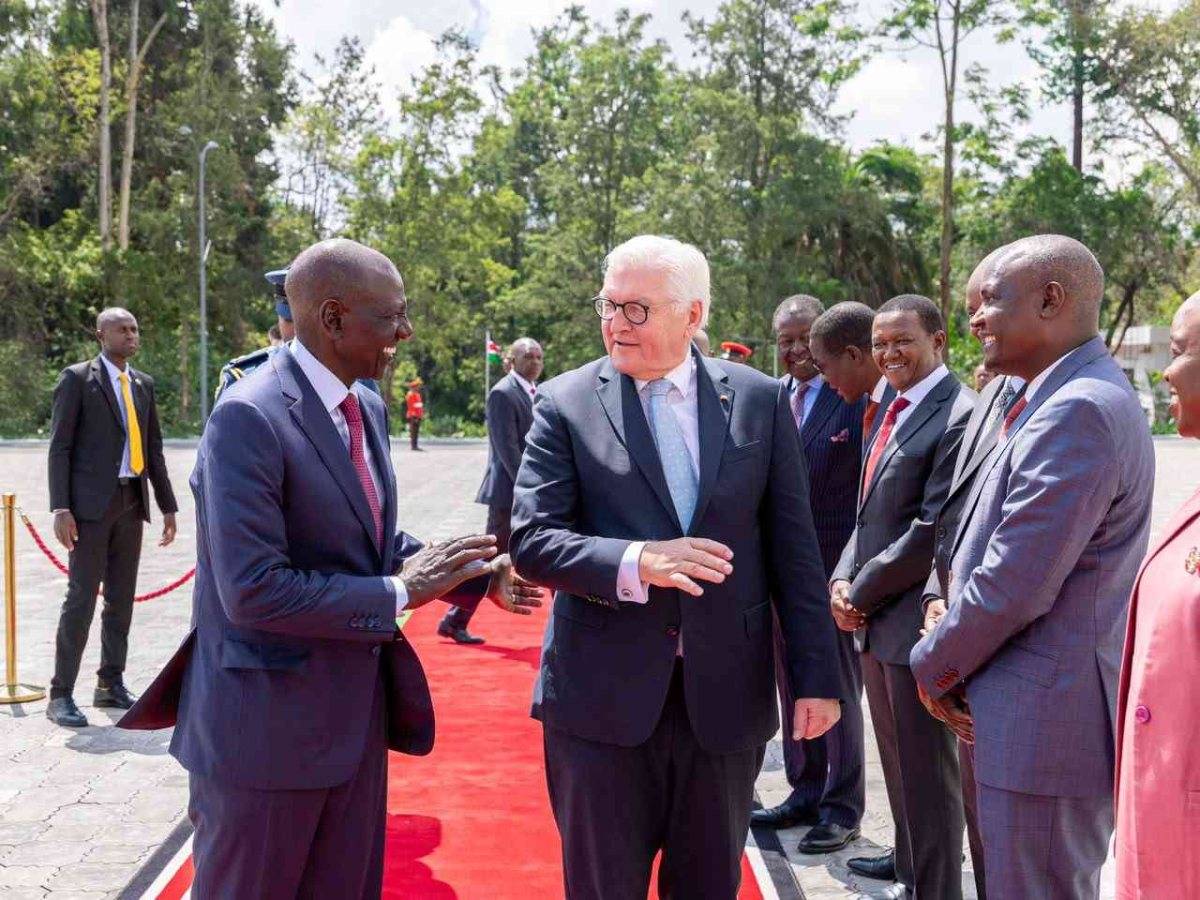
Kenyans working in Germany rise to 9,500 under migration deal, Ruto says
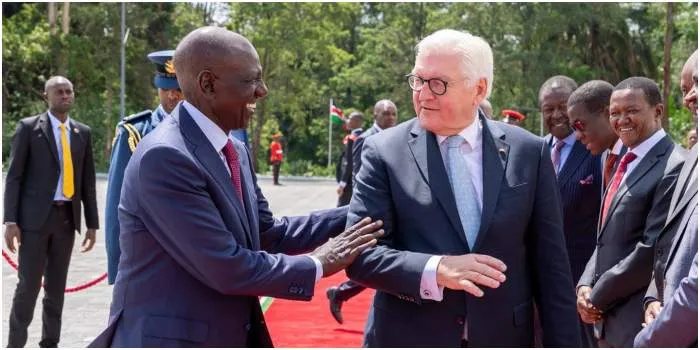
Ruto, Germany's Steinmeier Agree Faster Visas and Language Training for Kenyan Workers
German President Steinmeier to Hold Talks With Ruto at State House on November 25
Kenya signs deal with German exam body TELC to ease path to jobs in Germany
Global Community Remarks
0