
Kenyans working in Germany rise to 9,500 under migration deal, Ruto says
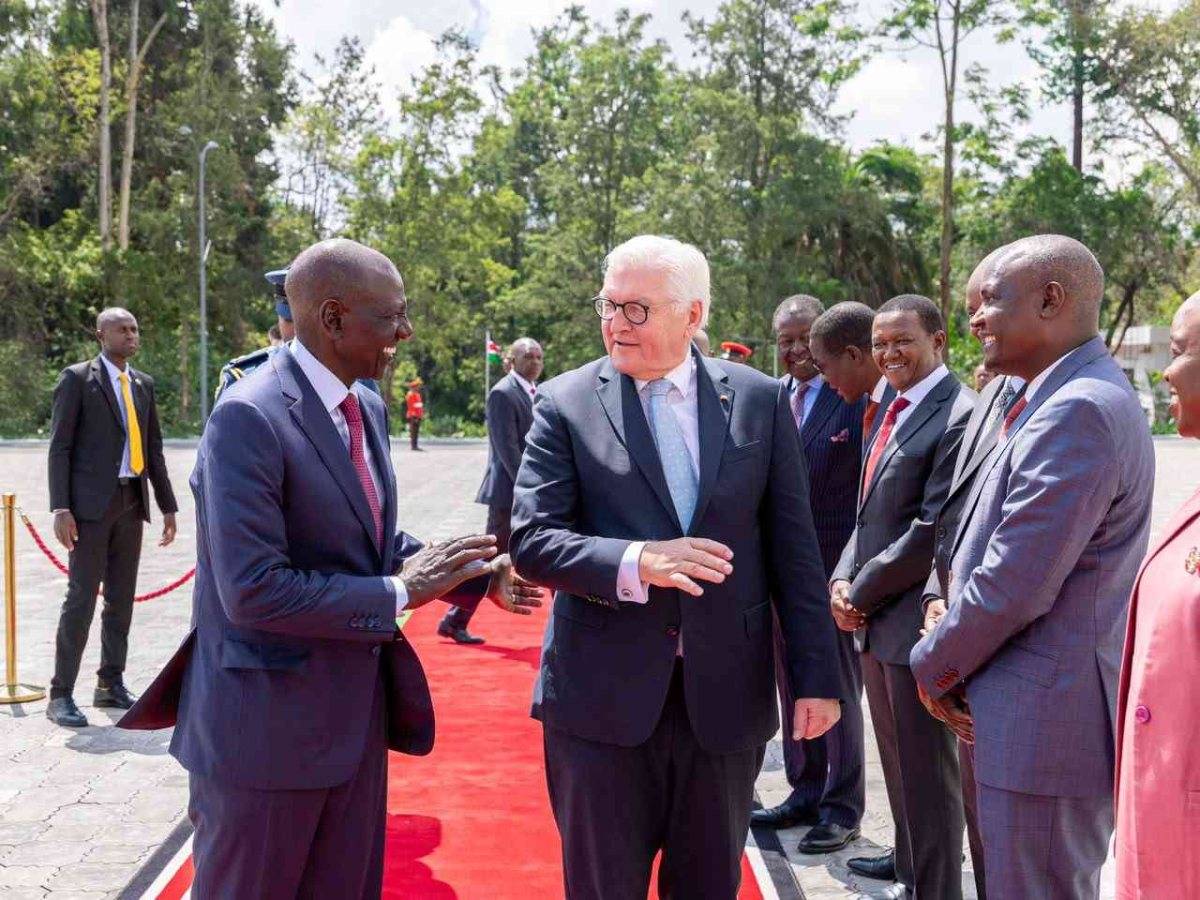
The number of Kenyans working in Germany has grown by 2,500 in two years, reaching 9,500 in March 2026 compared with 7,000 in March 2024, President William Ruto has said.
Ruto credited the rise to the labour mobility agreement Kenya signed with Germany in 2024, according to The Standard. He spoke at a joint press conference with German President Frank-Walter Steinmeier at State House, Nairobi, on Wednesday, November 25, after bilateral talks between the two heads of state.
The President also said the number of Kenyan trainees paying into Germany's social security system had climbed from 820 to 1,260 over the same period.
The migration pact
The Comprehensive Migration and Mobility Partnership Agreement (CMMPA) was signed in Berlin on September 13, 2024, and took effect on October 18 that year. It sets out how the two countries will work together on employment, vocational training, skills development and the protection of migrant workers.
The deal also covers joint efforts against irregular migration and the return of people who have no legal right to stay in either country.
Germany has been looking abroad for skilled labour as its population ages. Its Federal Employment Agency listed 157 occupational categories with skills shortages in 2025, among them healthcare, construction and skilled trades, The Standard reported.
Ruto said the two governments had discussed simplifying visa and recruitment processes, expanding German language training and speeding up recognition of professional qualifications so that more Kenyans can take up jobs. Vocational programmes tailored to the needs of the German economy were also on the agenda.
The leaders further looked at openings for Kenyan seafarers through specialised training, sea-time placements and links with German shipping firms, alongside talks on sustainable shipping, maritime logistics and investment in the sector.
Trade and investment push
Ruto urged German companies to invest more in Kenya, naming manufacturing, agro-processing, infrastructure, healthcare, renewable energy and digital technology as priority areas. He said Kenya wanted more joint ventures between local and German firms and deeper integration into global value chains.
He pointed to room for growth in Kenyan exports to Germany and the wider European market under the Kenya-European Union Economic Partnership Agreement, singling out cut flowers, avocados and fresh vegetables. He called for action on market access barriers and support for exporters to meet international quality standards.
Agricultural cooperation in mechanisation, irrigation, climate-smart farming, post-harvest handling and food chain infrastructure was also discussed, with the stated aim of raising productivity, farmer incomes and food security.
Data deal with the EU
The President announced that technical negotiations on a mutual data adequacy arrangement between Kenya and the EU had been concluded. Once adopted and implemented, he said, it would allow secure cross-border data transfers, expand digital trade and boost Kenya's competitiveness in business process outsourcing and digital services exports.
He asked Germany to help push the adoption and implementation of the adequacy decisions, saying the arrangement would open global employment to Kenyans through the digital economy.
Talks also touched on digital public infrastructure, artificial intelligence, cybersecurity and research partnerships between universities and technology firms. On energy, Ruto said Kenya was seeking German investment and technology in geothermal power, green hydrogen, energy storage and green infrastructure.
Refugees and security
Ruto thanked Germany for backing the Shirika Plan, the government's programme to move refugees from long-term camps into integrated settlements and towards self-reliance. He said lasting solutions to displacement must also tackle the conflicts that cause it.
The two leaders discussed counter-terrorism, maritime security, military training and peace-support operations, as well as culture, tourism and academic exchanges. Ruto said both governments needed to turn their commitments into measurable outcomes for citizens.
This story was prepared by the Hamasta Newsdesk with AI assistance, based on reporting by The Standard. Read the original report. Photo: The Standard.





Show the impact of your work.
Impact stories, campaign videos and community engagement for NGOs and programmes.

More in International
See all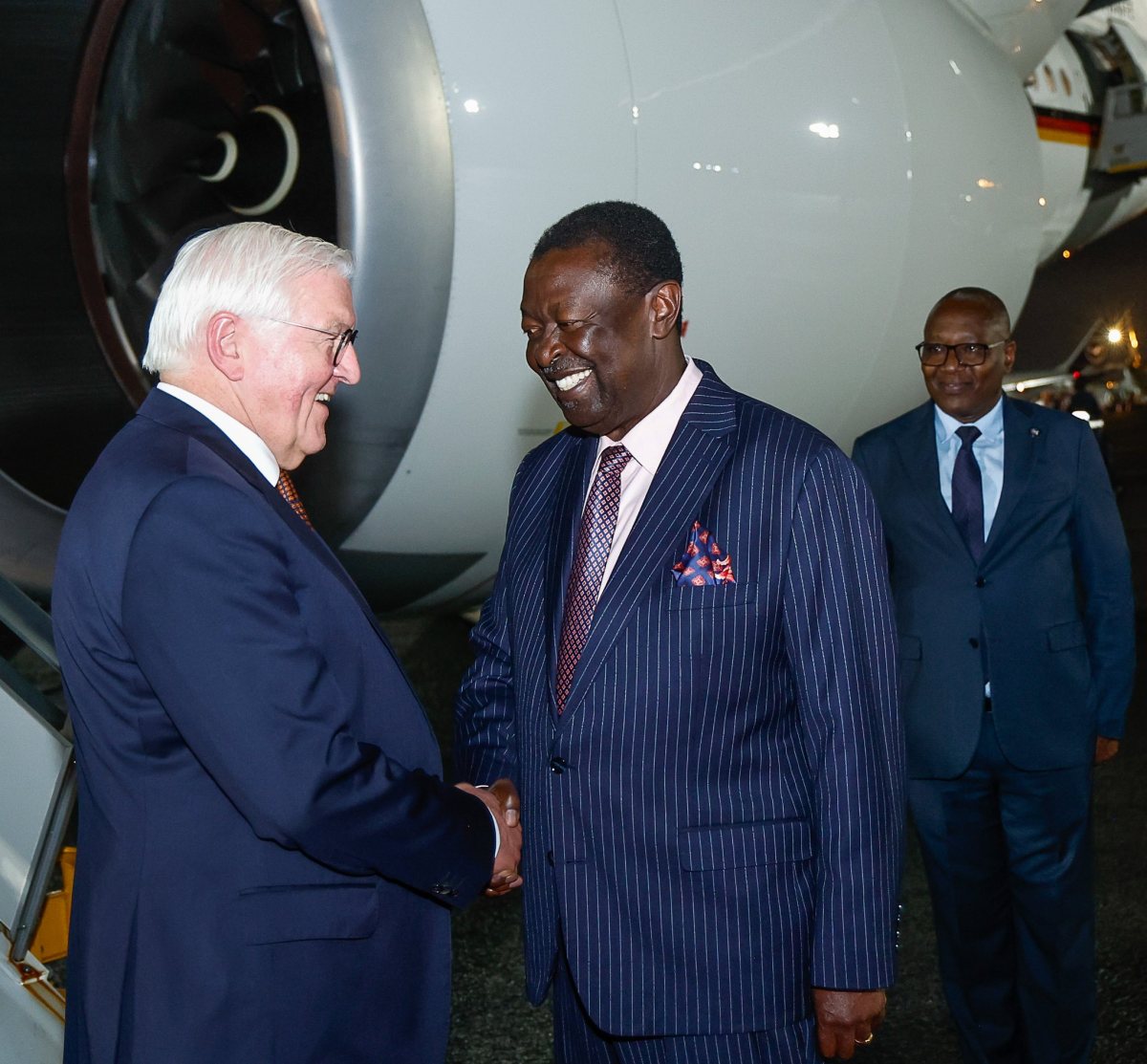
German President Steinmeier lands in Nairobi for talks with Ruto on trade and investment
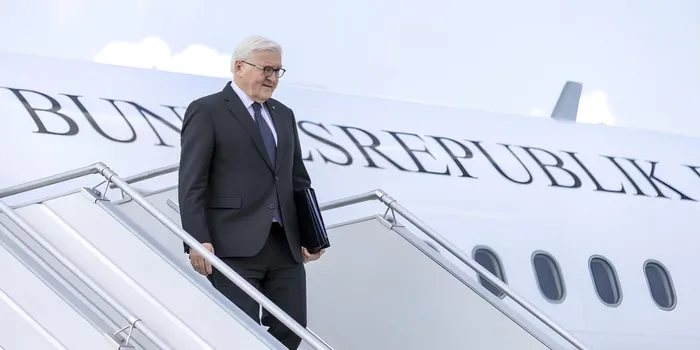
German President Steinmeier to Hold Talks With Ruto at State House on November 25
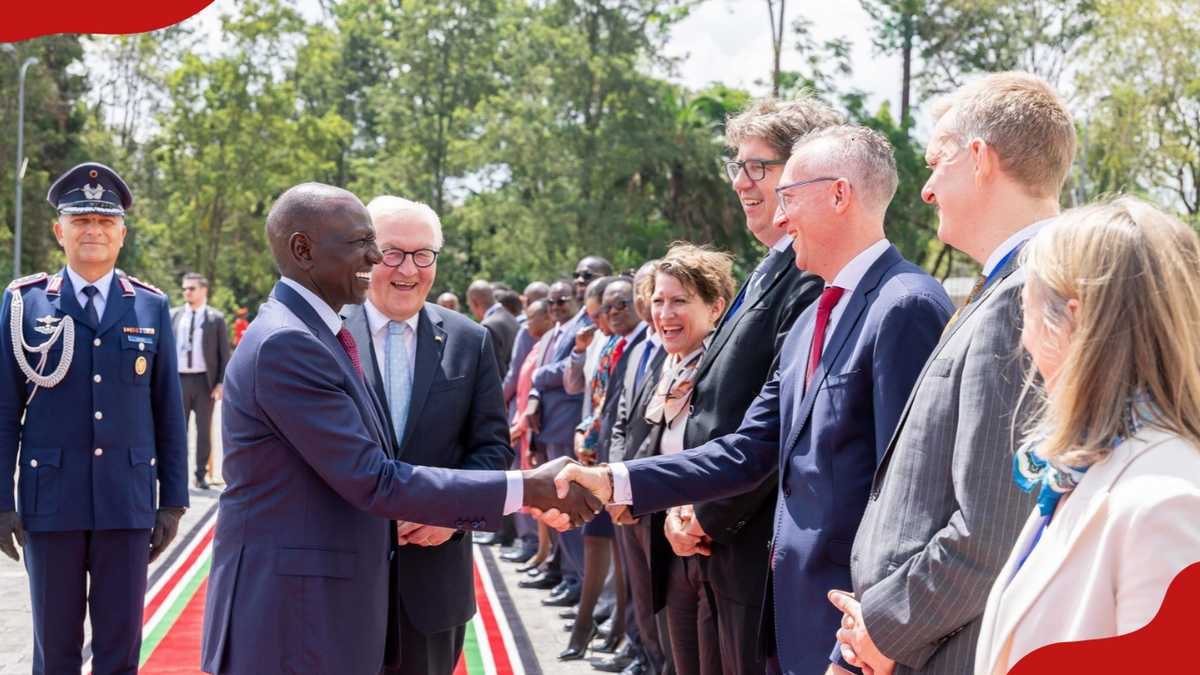
Kenya signs deal with German exam body TELC to ease path to jobs in Germany
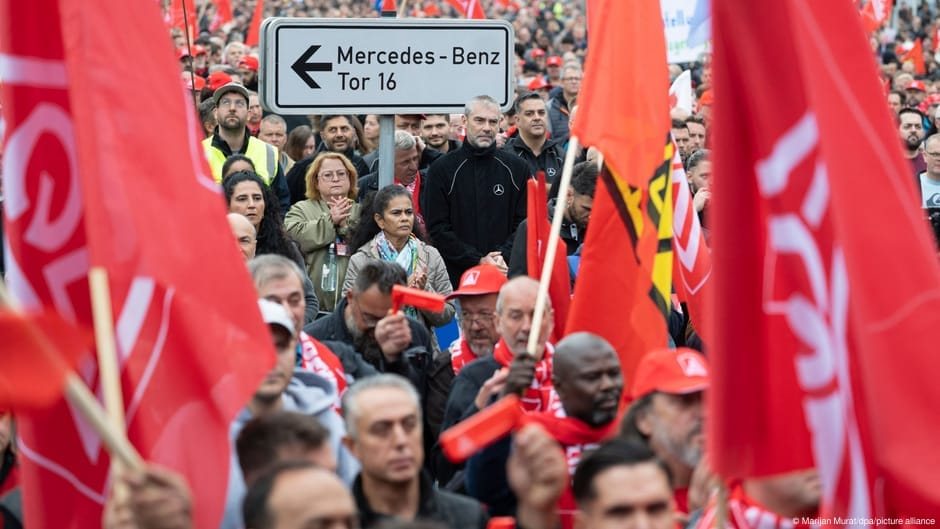
Germany's IG Metall calls 23,000 workers out on new 24-hour strike over pay
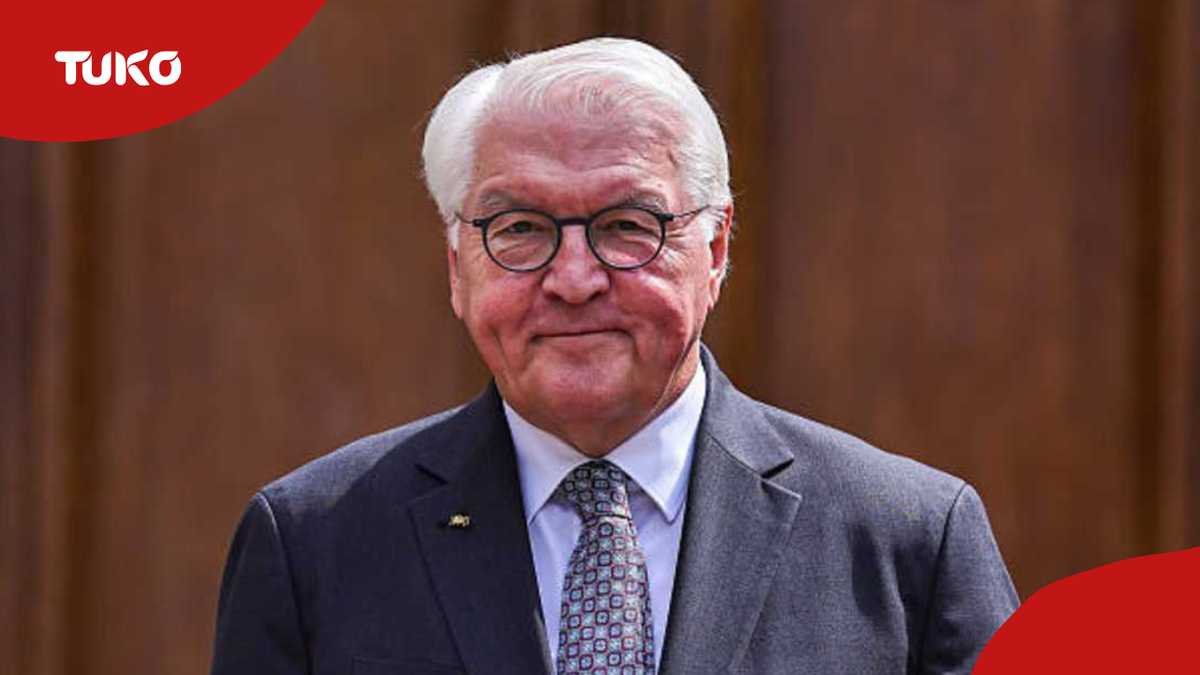
Germany names 157 shortage occupations as reliance on foreign workers grows
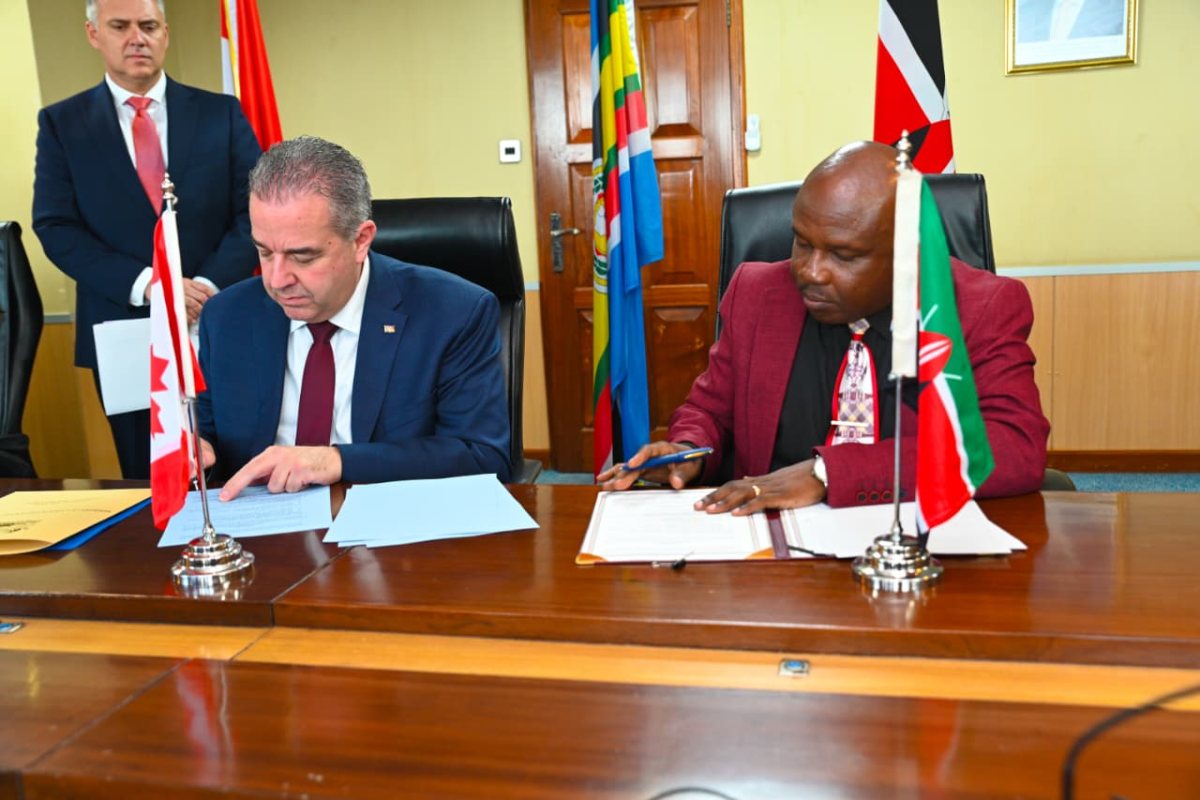
Global Community Remarks
0