
Ebola measures leave women and girls in eastern DR Congo exposed to more violence, UN says
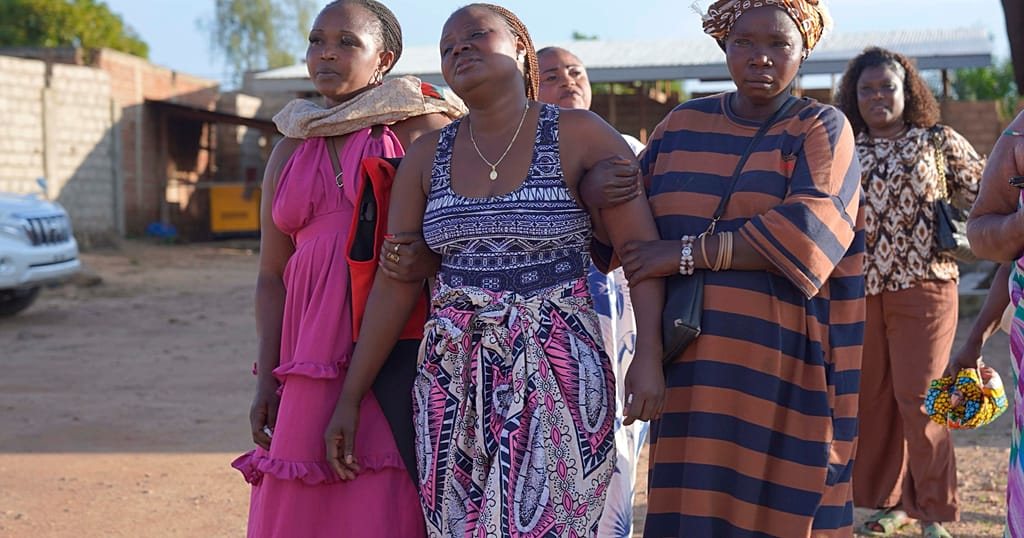
The Ebola outbreak in the eastern Democratic Republic of the Congo is leaving women and girls more vulnerable and has been linked to a rise in gender-based violence, according to the United Nations children's agency, UNICEF.
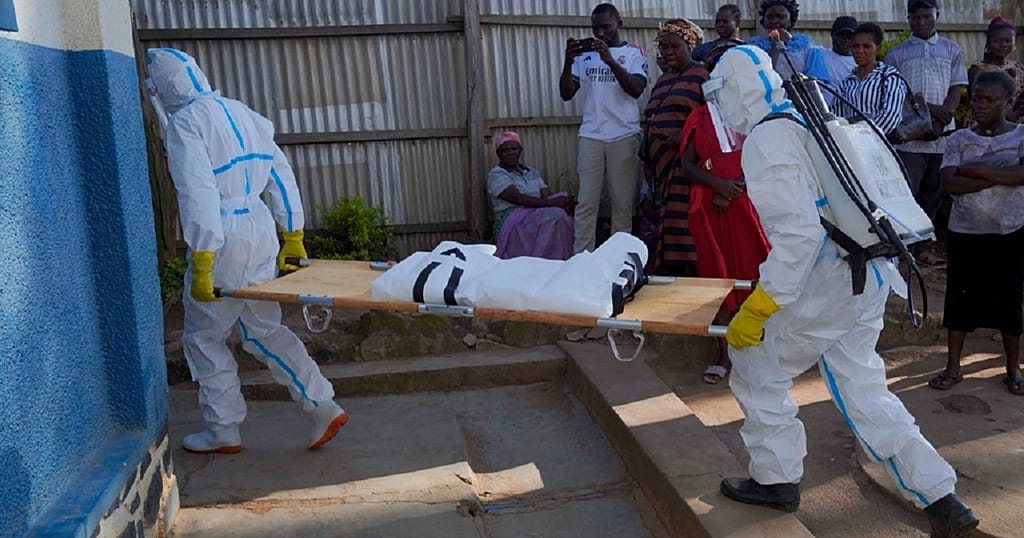
The warning, reported by Africanews, points to the wider social cost of the epidemic in areas already under strain. It focuses on Bunia and the Rwampara displacement site, where measures to stop the virus from spreading have upended everyday life.
Restrictions hit daily earnings
Authorities have limited movement to markets and curbed public gatherings as part of efforts to contain Ebola. According to UNICEF, these controls have disrupted the livelihoods that many households depend on.
Women have been hit especially hard. Many rely on small-scale trading to support themselves and their families, and the restrictions have left them unable to carry on that work. UNICEF says the result has been growing financial insecurity among women in the affected areas.
The agency links this economic pressure to a heightened risk of gender-based violence, as women and girls find themselves with fewer resources and fewer options.
Fear keeping people away from clinics
The outbreak has also affected access to medical care. According to UNICEF, fear of catching the virus has led to reduced use of healthcare services, cutting off another source of support for women and girls at a time when they are more exposed to harm.
The combination of lost income and reduced contact with health facilities has, the agency suggests, created conditions in which violence against women and girls can increase.
Local support efforts
In response, a local organisation backed by donor funding is offering a range of services to women and girls in the area, Africanews reported. These include:
- medical care;
- psychosocial support; and
- vocational skills training.
The training is intended to help women and girls become more economically self-reliant, giving them a way to earn a living and reduce their dependence on others while the outbreak continues to disrupt normal activity.
A wider pattern
Bunia is the main town of Ituri province, a part of eastern DR Congo that has long been affected by insecurity and displacement. Sites such as Rwampara host people who have been forced from their homes, many of whom already live with limited means.
UNICEF's assessment highlights how public health emergencies can deepen existing inequalities. While movement restrictions and limits on gatherings are standard tools for controlling the spread of Ebola, the agency's findings show that such measures can carry serious unintended consequences for women and girls who depend on daily trade to survive.
The report did not give figures on the number of reported cases of gender-based violence or on the scale of the Ebola outbreak in the affected areas.
This story was prepared by the Hamasta Newsdesk with AI assistance, based on reporting by Africanews. Read the original report. Photo: Africanews.

Tell your story on screen.
Commercials, documentaries, interviews and social video, from script to final cut.





More in Health
See all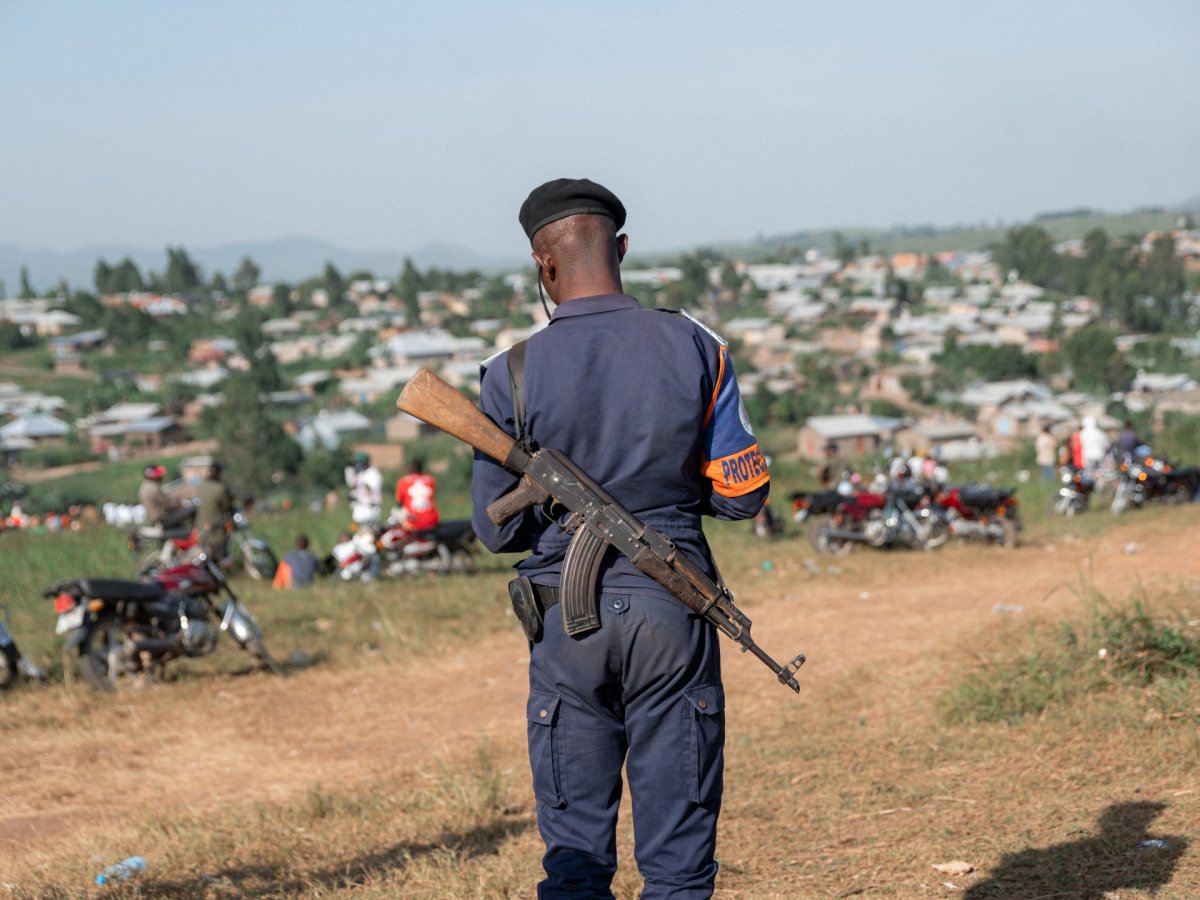
Lubanga-led CRP rebels pull back from Bunia advance in DR Congo after heavy fighting
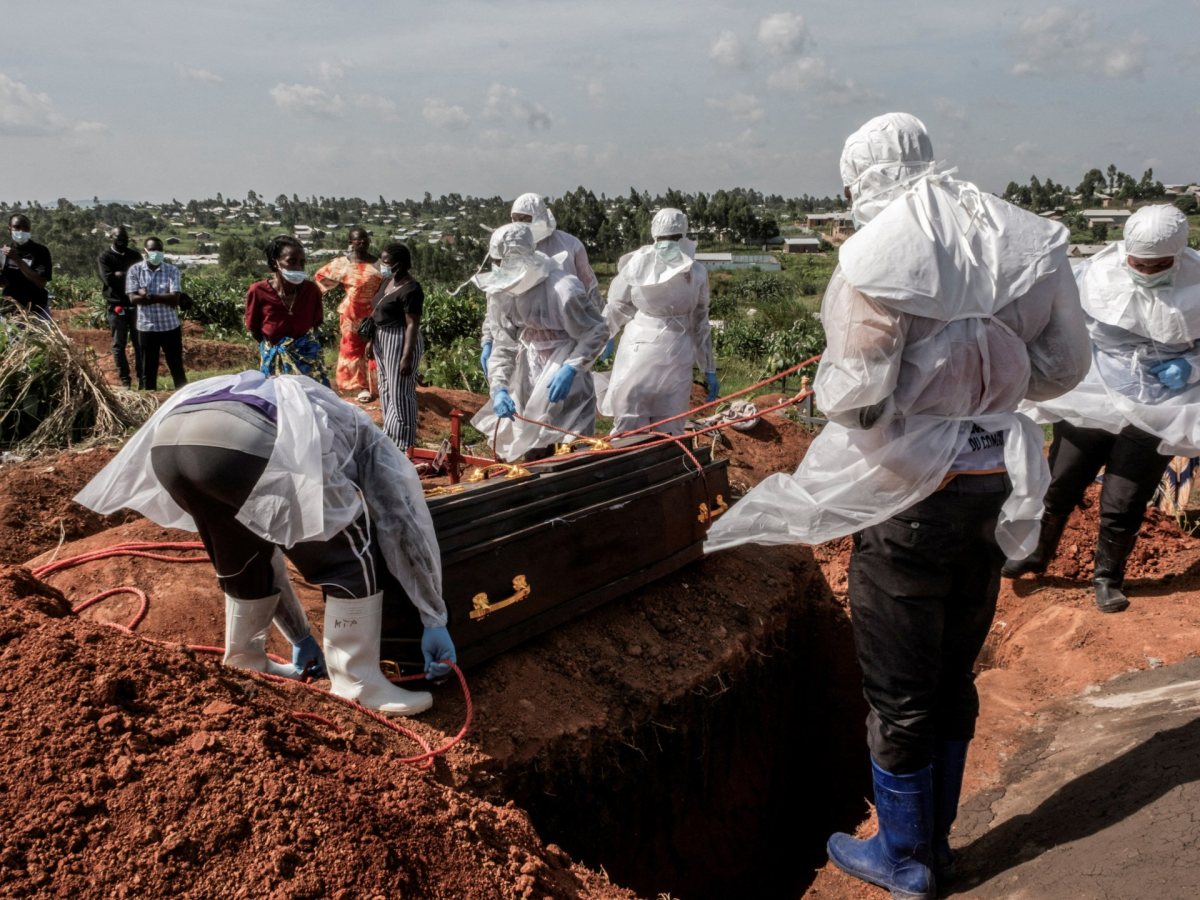
DR Congo Ebola cases pass 12,000 as fighting in Ituri forces out responders

UN: 47,000 women and girls killed by partners or relatives in 2025, Africa worst hit
Nairobi County Launches 16 Days of Activism Against Gender-Based Violence
.jpeg)
UNICEF Urges Kenya to Shield Children's Budgets as Foreign Aid Shrinks
Global Community Remarks
0