
DR Congo Ebola cases pass 12,000 as fighting in Ituri forces out responders
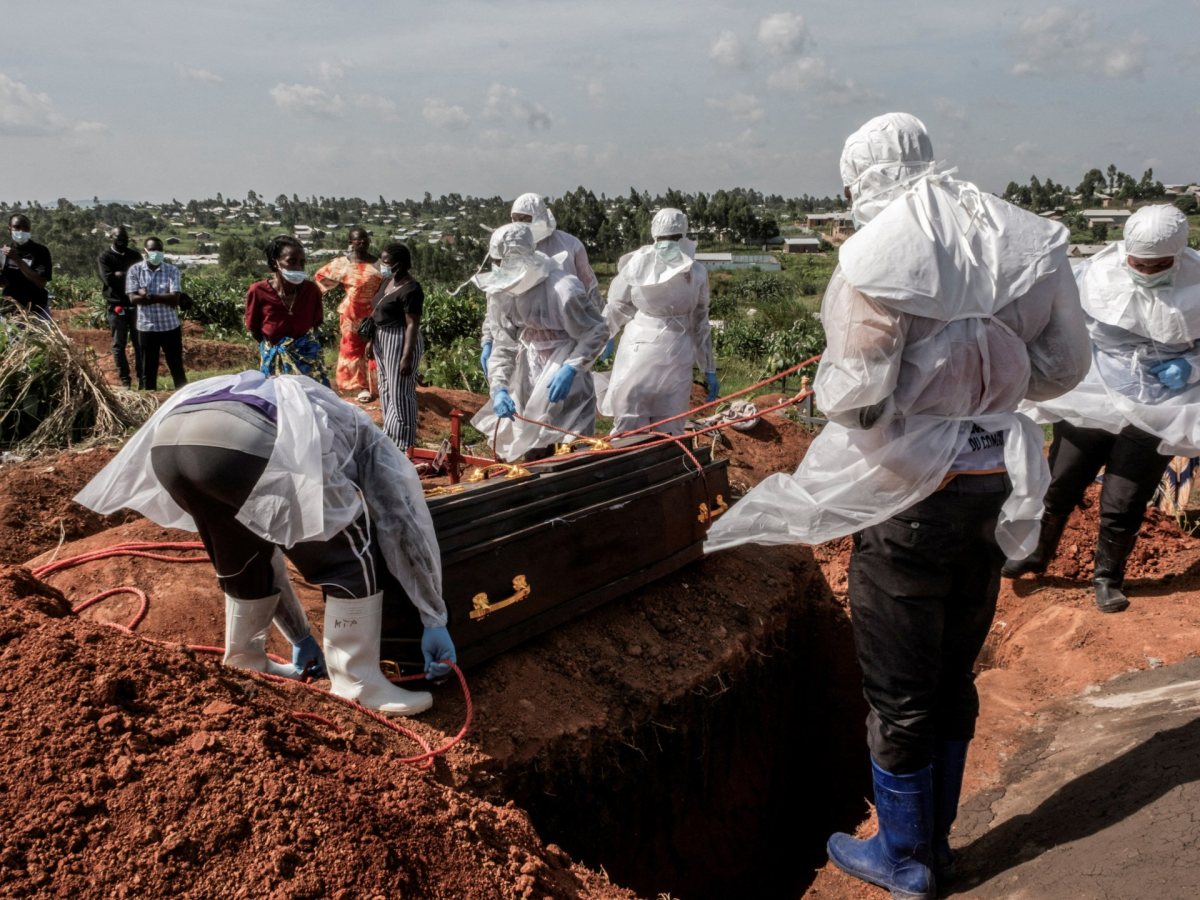
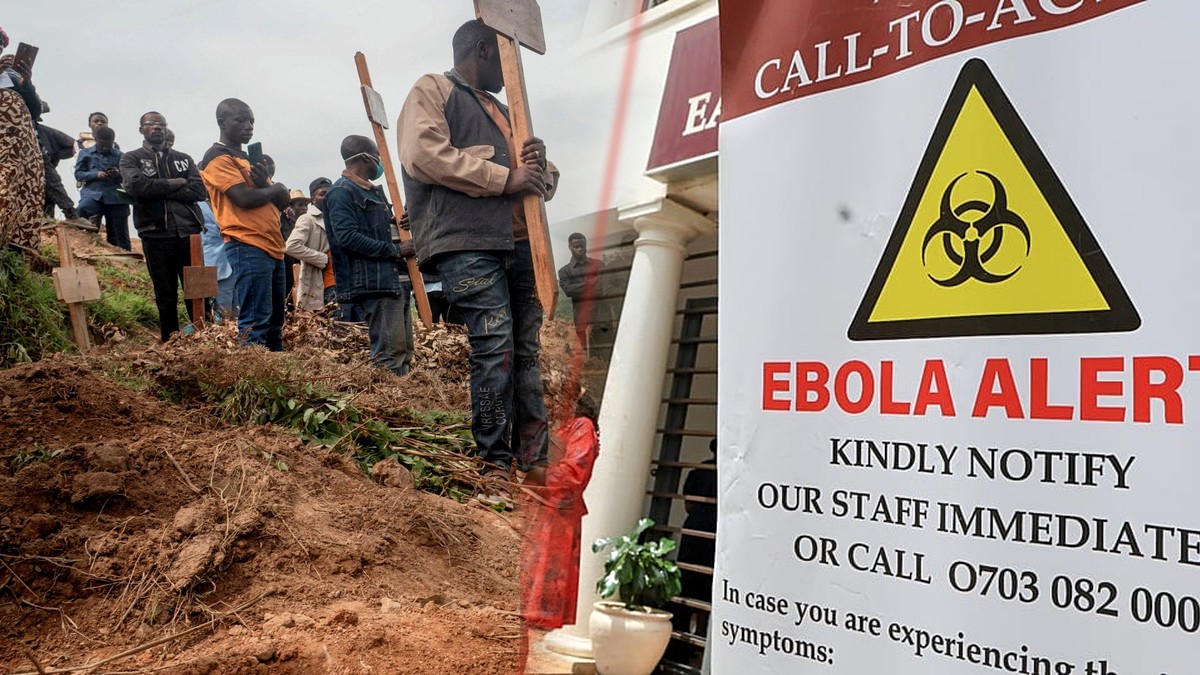
Confirmed Ebola infections in the Democratic Republic of the Congo (DRC) have climbed past 12,000, according to government figures, as intensifying violence in the country's east hampers efforts to bring the outbreak under control.
Government data released on Thursday showed at least 12,021 confirmed infections and 5,904 deaths, making this the deadliest Ebola outbreak the country has recorded, Al Jazeera reported.
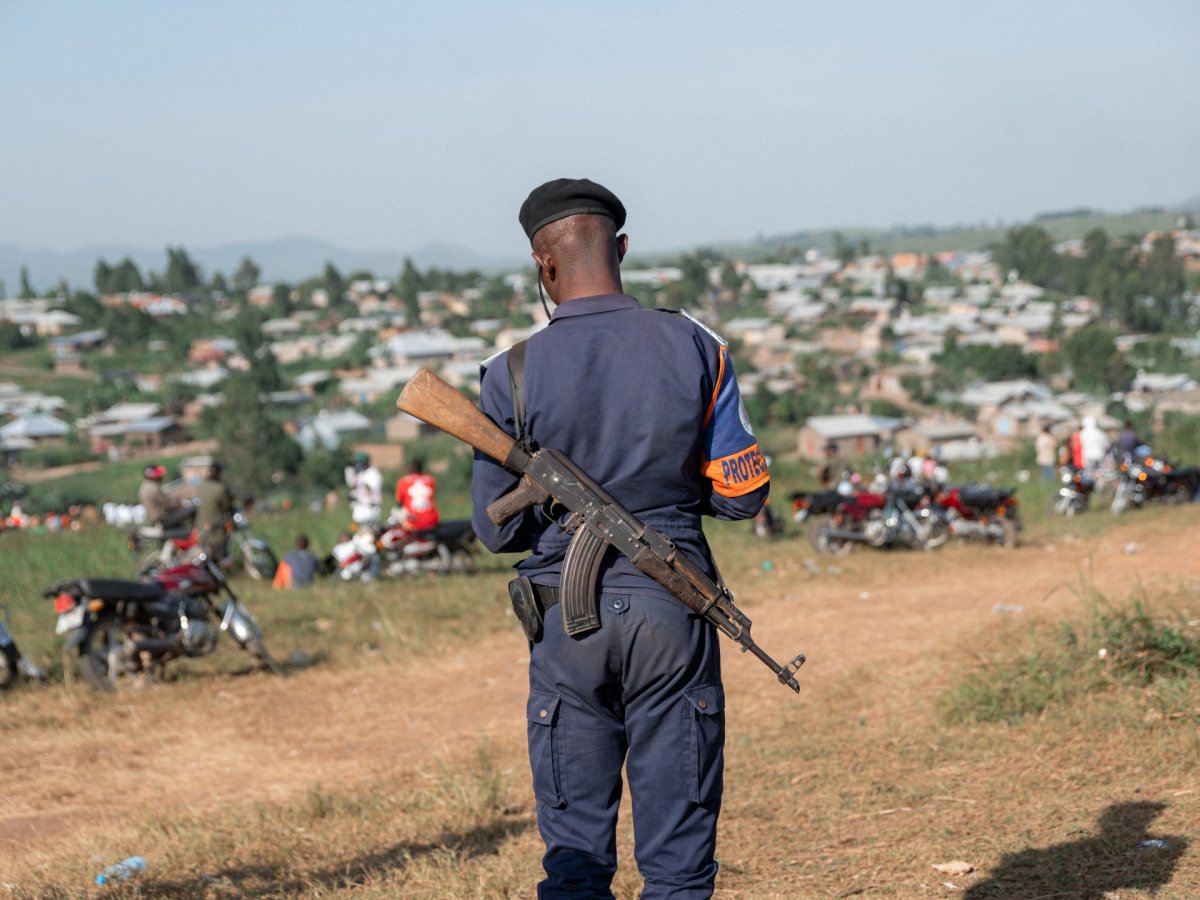
Health officials and humanitarian workers said on Wednesday that Ebola response teams had been forced to pull out of affected areas because of worsening insecurity.
Health workers trapped in crossfire
In Ituri province, fighting between the Congolese army and the Convention for the Popular Revolution (CRP) has escalated in recent days and driven civilians from their homes, the United Nations mission in the country said in a statement.
Catherine Smallwood, the World Health Organization's (WHO) Ebola incident manager, said roughly a dozen people had been evacuated to Bunia, the provincial capital, after spending three days trapped in a hospital in Akwe, north-east of the city. Among them were two WHO staff members and Congolese health officials.
"They were caught really in the crossfire, very intense fighting, and we managed to evacuate them," Smallwood said.
Sandrine Buju, a humanitarian worker involved in the response, told The Associated Press that her team came under fire on Monday as it travelled back to Bunia after training community volunteers. She said shots rang out about 15 metres from the group.
According to Buju, the driver turned the vehicle around and the team took refuge at a UN peacekeeping base. Peacekeepers later escorted them through two zones of fighting on the way to Bunia.
A rare strain with no vaccine
The outbreak was declared in mid-May in Ituri, in the north-east of the country. It is caused by the Bundibugyo species of the Ebola virus, a rare form of the disease for which there are currently no approved vaccines or treatments.
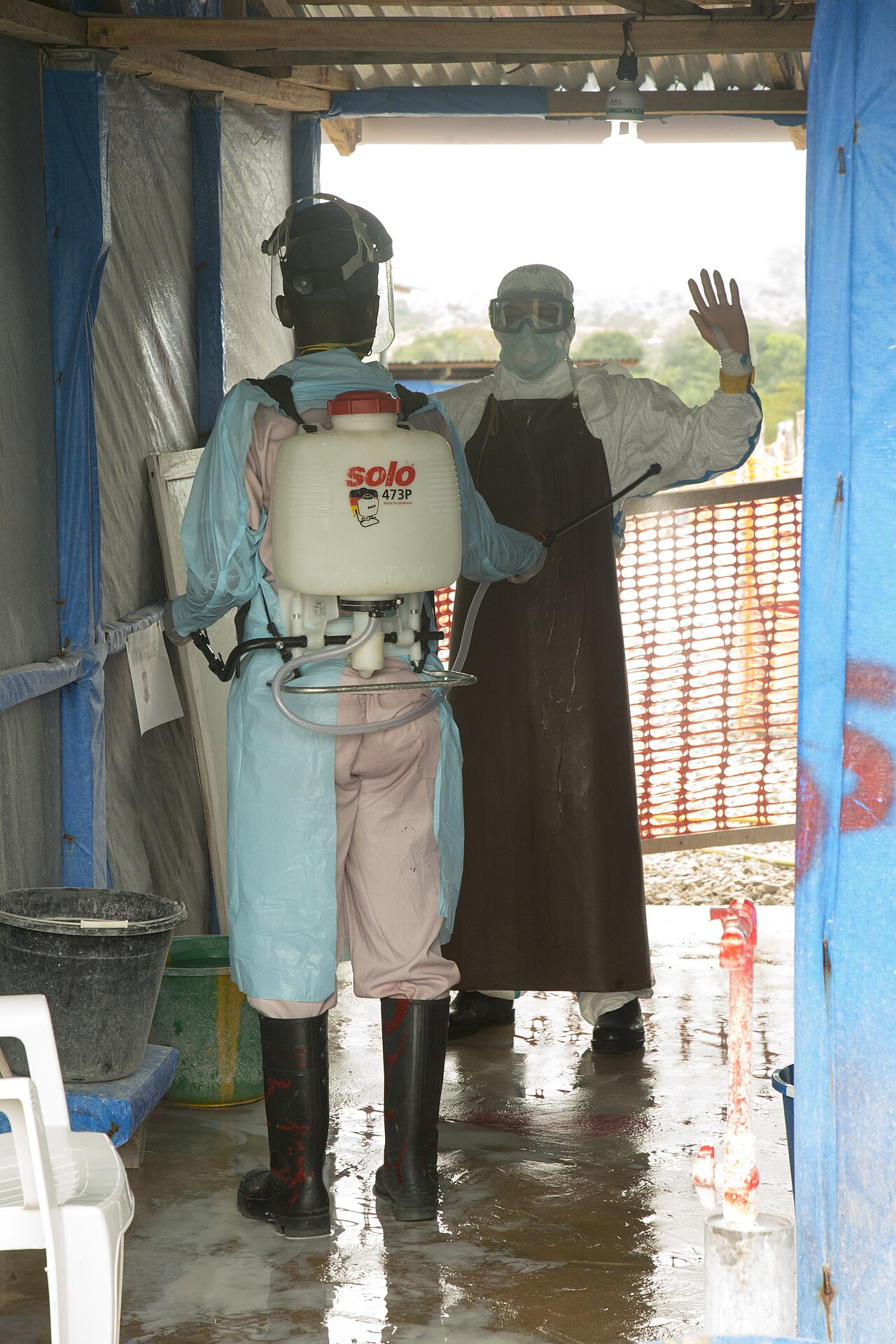
That gap leaves responders relying heavily on detecting cases early, isolating patients and tracing their contacts, work that depends on teams being able to move safely through communities.
Late detection, ongoing conflict and overstretched health services have all fuelled the spread of the virus, according to Al Jazeera. Cases have now been reported in eight of the DRC's 26 provinces.
Armed group led by convicted warlord
The CRP is headed by Thomas Lubanga, whom the International Criminal Court convicted in 2012 of conscripting child soldiers. The group announced a unilateral ceasefire in May, but clashes have continued.
It is one of more than 100 armed groups active in eastern DRC, where years of conflict have repeatedly undermined public health campaigns, including efforts to contain the current outbreak.
What it means
The latest attacks underline the difficulty of fighting a fast-spreading disease in an active conflict zone. With no vaccine available for this strain and responders being forced to withdraw from hotspots, health agencies face mounting pressure to reach affected communities while keeping their staff safe.
The outbreak is being closely watched across the region, given the DRC's place within the East African Community and the frequent movement of people across its eastern borders.
This story was prepared by the Hamasta Newsdesk with AI assistance, based on reporting by Al Jazeera. Read the original report. Photo: Al Jazeera.



Grow an audience that listens.
Social media management, digital campaigns and online storytelling that converts.



More in Health
See all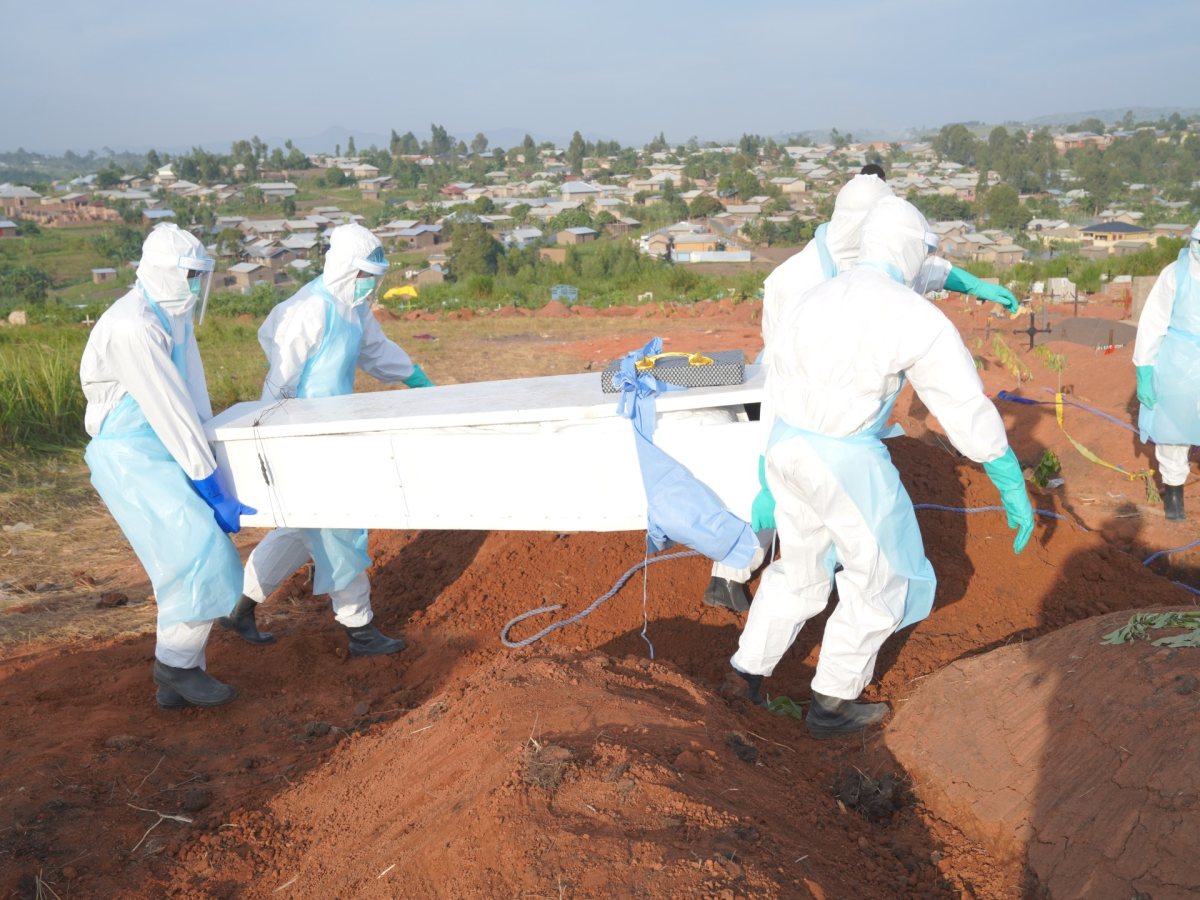
WHO chief urges peace as fighting near Ituri hospital disrupts DR Congo Ebola response
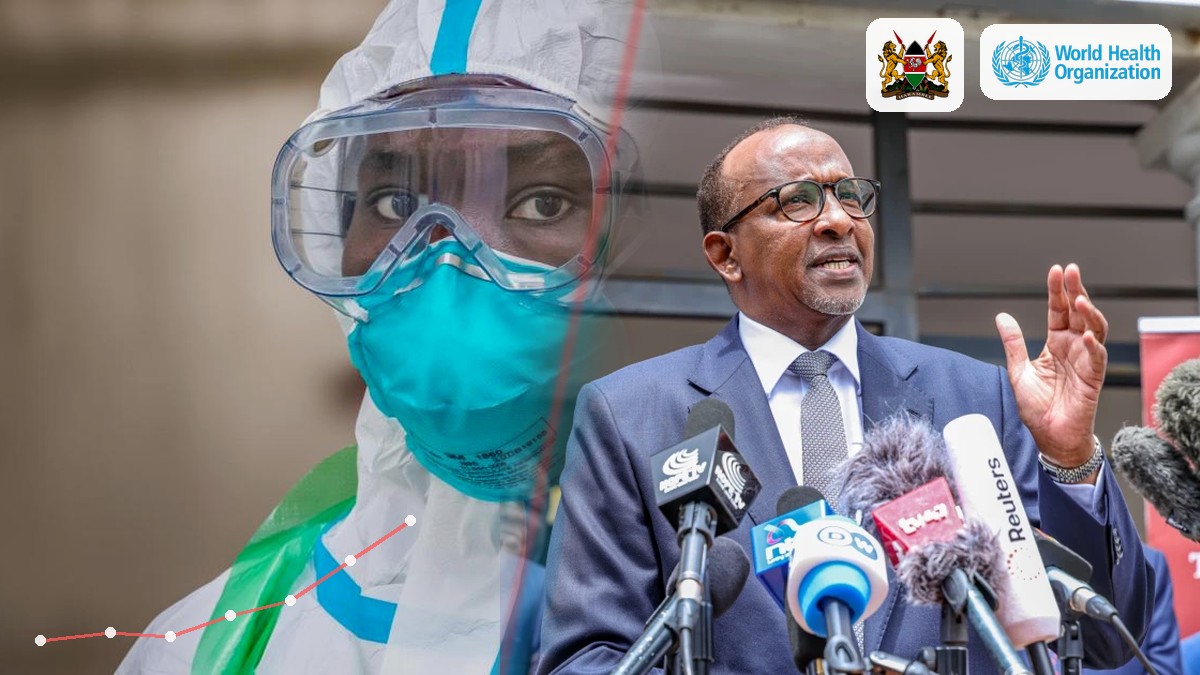
Is Kenya ready for Ebola? 244 beds, donor money and no vaccine for the Bundibugyo strain
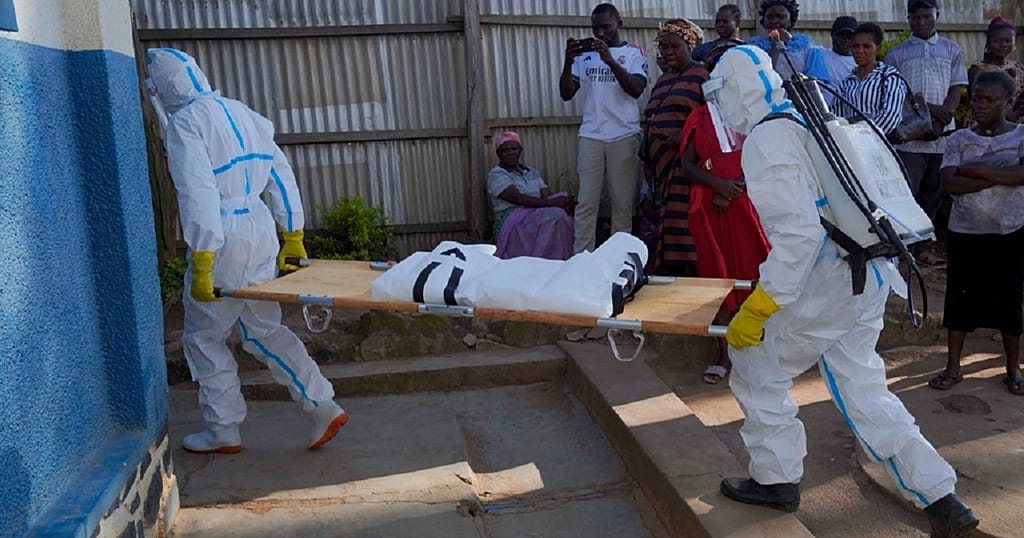
Congo's Ebola outbreak still out of control six months on, with over 11,000 cases
Ebola deaths in DR Congo pass 5,000 as WHO calls it a 'tragic milestone' and the virus reaches eight provinces
Ebola outbreak in DR Congo passes 8,700 cases as Kenya keeps watch on contacts
Global Community Remarks
0