
US judge blocks Trump's narrower bid to limit birthright citizenship
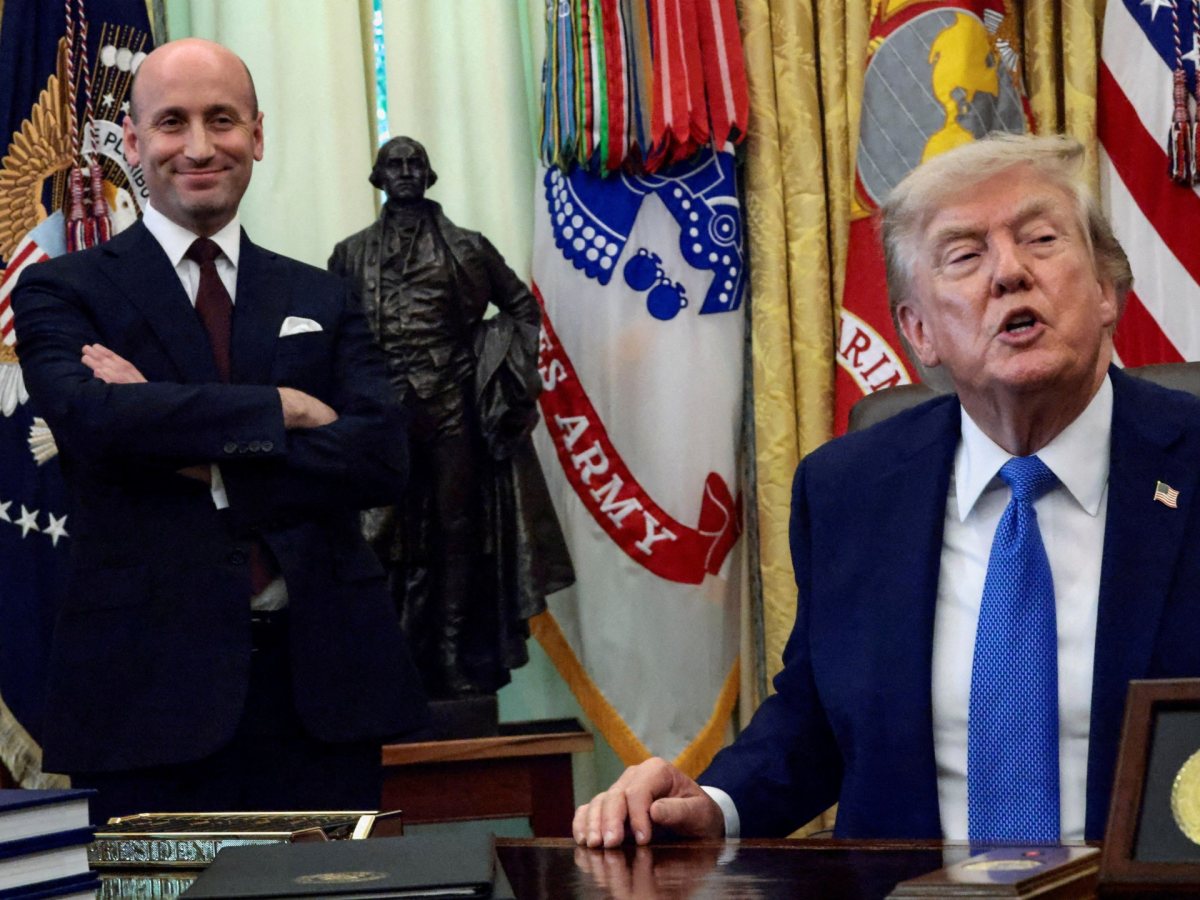
A federal judge in the United States has blocked the Trump administration's latest attempt to deny automatic citizenship to some children born on American soil, dealing another setback to the president's push to narrow birthright citizenship, according to Al Jazeera.
In a ruling issued on Wednesday, District Court Judge Christopher Cooper found that the children targeted by the policy were still subject to US jurisdiction. That meant they were guaranteed citizenship under the US Constitution, he said.
"The president cannot carve out new exceptions to birthright citizenship for children born within the United States and subject to its laws," Cooper wrote.
The decision follows a September ruling by a court in Maryland, which had also blocked the same policy through a preliminary injunction.
A narrower second attempt
The policy struck down on Wednesday was the administration's second effort on the issue. In June, the US Supreme Court rejected President Donald Trump's original order, finding that the drafters of the 14th Amendment understood how broad its wording was and did not intend the limits the president sought to impose.
Trump, who took the unusual step of personally attending the Supreme Court arguments in that case, has said he is unhappy with the outcome.
Soon afterwards, the administration issued new executive orders in August with a narrower focus. These took aim at so-called "birth tourism", in which women travel to the US to give birth so their children automatically become citizens. The orders also targeted children whose parents work for foreign governments or international organisations without diplomatic immunity, as well as children with a parent classified as an "alien enemy".
The administration has argued that the 14th Amendment, which grants citizenship to all persons born or naturalised in the US and subject to its jurisdiction, was not meant to cover the children of parents who were not living in the country permanently.
Rights groups welcome ruling
The lawsuit was filed by several rights groups on behalf of children who would have been affected by the August orders. Among them was the American Civil Liberties Union (ACLU).
Cody Wofsy, an ACLU lawyer, said the president needed to accept birthright citizenship as settled law. He noted that the Supreme Court had rejected efforts to weaken it both in 1898 and again this year, adding: "Third time is not the charm."
The White House pushed back. Spokeswoman Lauren Bis described the decision as "just another ruling from an activist judge" and maintained that Trump's order was in line with the Supreme Court's findings.
Historical background
In its June ruling, the Supreme Court relied on an 1898 case involving Wong Kim Ark, a US-born Chinese American. His parents had returned to China after his birth, and when he came back to the US as an adult he was refused entry by officials who said he was not a citizen.
The 14th Amendment was ratified in 1868 after the American Civil War and automatically made citizens of those born to formerly enslaved people. Courts have held that its broad wording also covers others born in the country, consistent with English legal traditions that predate the founding of the US.
Indigenous people were treated as an exception because of their degree of legal autonomy, and only gained citizenship through an act of Congress in 1924.
Wider immigration crackdown
The stakes of the dispute are considerable. A study last year by the Migration Policy Institute estimated that about 255,000 babies a year born to unauthorised immigrants or parents on temporary visas would have been denied citizenship had Trump's original order been upheld.
The birthright citizenship fight is part of a broader immigration agenda that has seen the administration restrict visas and asylum for much of the world and order federal agencies to carry out a nationwide crackdown on people alleged to be undocumented.
The administration has also increased lawsuits seeking to strip naturalised citizens of their status where they are accused of committing serious crimes and concealing that history from the authorities.
This story was prepared by the Hamasta Newsdesk with AI assistance, based on reporting by Al Jazeera. Read the original report. Photo: Al Jazeera.

Tell your story on screen.
Commercials, documentaries, interviews and social video, from script to final cut.





More in International
See all
Germany Spells Out Two Grounds for Waiving Citizenship Requirements for Foreigners
Failed the US Citizenship Test? USCIS Outlines Retest Rules and Timelines
US judge strikes down Trump visa limits on foreign students and journalists
Canada makes rural immigration route permanent, targets 5,500 places in 2027
US Lists Six Categories of Foreigners Permanently Barred From Citizenship
Global Community Remarks
0