
US Lists Six Categories of Foreigners Permanently Barred From Citizenship
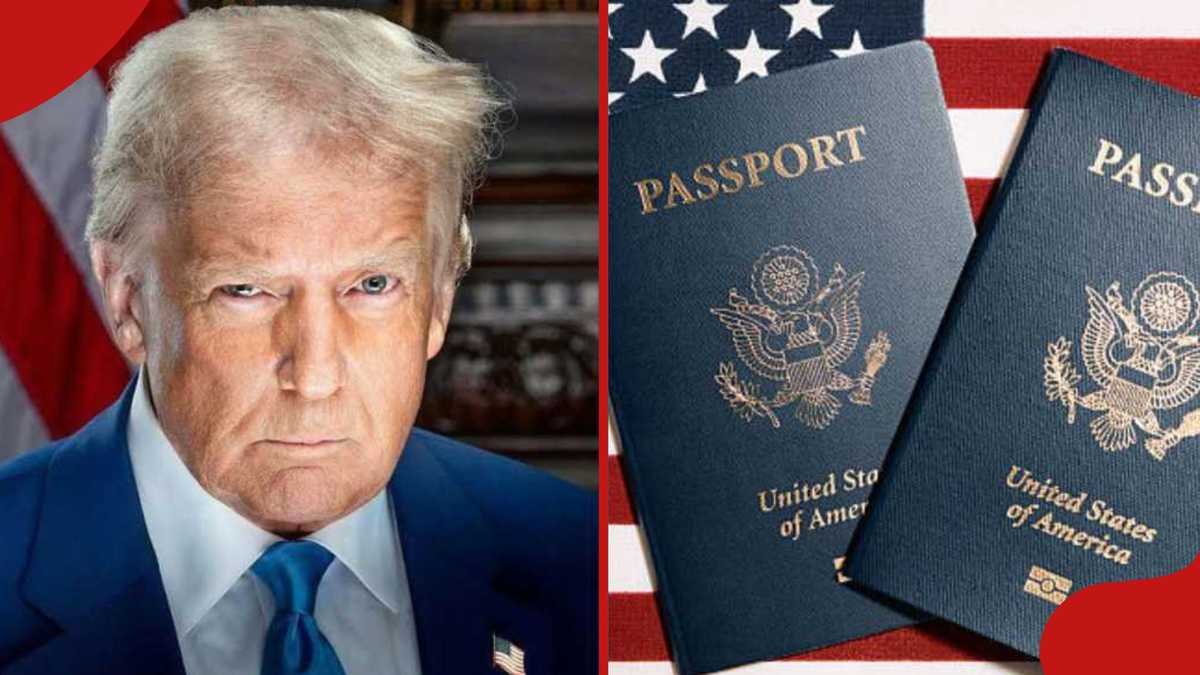
Foreign nationals linked to six categories of serious conduct can never become American citizens through naturalisation, according to guidance in the US Citizenship and Immigration Services (USCIS) policy manual, Tuko reports.
The categories cover murder, aggravated felonies, Nazi-era persecution, genocide, torture or extrajudicial killings, and particularly severe violations of religious freedom.
Each of these permanently disqualifies an applicant from meeting a key legal test for citizenship, regardless of how much time has passed or how well the person has behaved since.
The Good Moral Character requirement
Under US immigration law, every person seeking naturalisation must show Good Moral Character (GMC). Immigration officers assess this before deciding whether to grant citizenship.
Most issues affecting moral character are weighed case by case. However, Chapter 4 of the USCIS Policy Manual sets out conduct that creates a permanent bar, meaning the applicant cannot establish GMC at all.
The six permanent bars
According to the manual, as summarised by Tuko, the following applicants are permanently barred:
- Murder: anyone convicted of murder at any time.
- Aggravated felony: anyone convicted of an aggravated felony on or after 29 November 1990.
- Nazi persecution: anyone who ordered, incited, assisted or took part in persecuting any person in association with Germany's World War II government or its allied or occupied governments.
- Genocide: anyone who at any time ordered, incited, assisted or took part in acts meant to destroy a national, ethnic, racial or religious group.
- Torture or extrajudicial killings: anyone who committed, ordered, incited or assisted in torture or an extrajudicial killing under the colour of law of any foreign nation.
- Severe violations of religious freedom: foreign government officials responsible for, or who directly carried out, systematic and egregious violations of religious freedom, including prolonged detention without charge or enforced disappearances.
What counts as an aggravated felony
In the immigration context, the term aggravated felony covers a broad range of offences. Tuko lists examples including sexual abuse of a minor, money laundering involving more than $10,000, firearms offences, violent crimes carrying a prison term of at least one year, passport fraud and bribing witnesses.
USCIS also notes that offences such as theft and crimes of violence can qualify as aggravated felonies where a court imposes a prison sentence of at least one year, even if the whole sentence is later suspended.
The 1990 cut-off date
The aggravated felony bar applies only to convictions on or after 29 November 1990. Convictions before that date do not automatically trigger the permanent bar.
Even so, USCIS may still take such older convictions into account when deciding whether an applicant has good moral character.
Burden on applicants
The manual places responsibility on applicants to show that none of the permanent bars applies to them.
Those who may fall within the categories involving persecution, genocide, torture or severe violations of religious freedom face an added evidentiary burden. They must provide evidence proving they are not ineligible under those provisions.
The guidance is likely to interest Kenyans and other foreign nationals living in the United States who are considering applying for citizenship, as it spells out which past conduct closes the door to naturalisation permanently.
This story was prepared by the Hamasta Newsdesk with AI assistance, based on reporting by Tuko. Read the original report. Photo: Tuko.


Grow an audience that listens.
Social media management, digital campaigns and online storytelling that converts.



More in International
See all
Taiz water crisis deepens as Houthi siege cuts supply and fuel to Yemeni city

Iraq strikes deal with Kataib Hezbollah over Jurf al-Sakhar stronghold

Denmark Publishes Job List Foreign Graduates Can Use to Apply for Work Permits
Thousands displaced again in Gaza's Nuseirat after Israeli ground operation
Deaf Nigerians push to save indigenous sign languages from disappearing

Global Community Remarks
0