
Deaf Nigerians push to save indigenous sign languages from disappearing
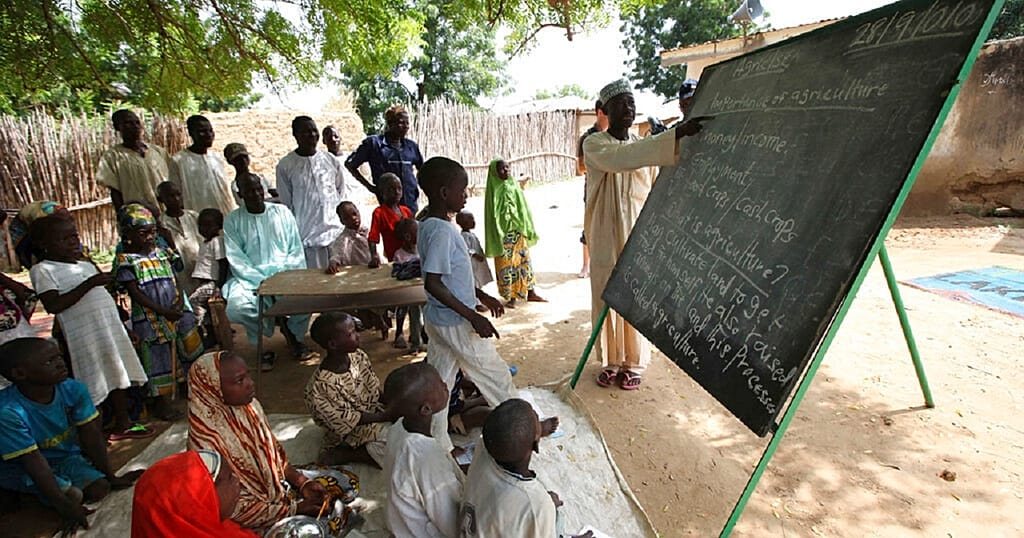
Deaf communities in Nigeria are campaigning to protect indigenous sign languages that were in use long before formal sign language teaching reached the country, according to Africanews.
Researchers warn that some of these local systems of communication could disappear. They point to limited funding, poor documentation and the growing dominance of formal sign languages as the main threats.
Activists are now urging greater recognition of, and investment in, the languages so that Nigeria's linguistic diversity is not lost.
A language of identity
In the capital, Abuja, 37-year-old Umaru Zayyanu, a deaf sign language interpreter, communicates using Hausa sign language. According to Africanews, it has become a shared means of communication among deaf people across northern Nigeria, serving as a lingua franca in the region.
Some other indigenous sign languages, by contrast, are used only by small communities.
For Zayyanu, the language is about far more than communication. He views it as part of his cultural heritage and stresses the need to develop and preserve indigenous forms of signing.
"It is our culture and identity," Zayyanu told Africanews.
He added that deaf communities already had their own languages before formal schooling was introduced, a point campaigners use to argue that these systems deserve protection rather than replacement.
Hopes for wider recognition
Sanni Lawal, a deaf man who works in a laundry, shares that view. His hope, according to Africanews, is to see indigenous sign languages move beyond the local communities where they are used and gain broader recognition.
For many deaf people, such recognition would mean their way of communicating is respected and supported rather than pushed aside.
Researchers call for documentation
Sign language researcher Taiwo Ajayi says recording and developing these languages is essential. He stresses that this is especially important for deaf people who have never had access to formal education, for whom indigenous signing may be the primary or only means of communication.
Without proper documentation, researchers fear that languages used by small groups could fade as formal sign languages spread through schools and institutions.
The campaign highlights a wider tension facing deaf communities: formal sign languages can open doors to education and services, but their expansion can come at the expense of local languages carrying community history and culture.
Wider context
The debate in Nigeria echoes conversations elsewhere on the continent about the place of sign languages in national life. In Kenya, the 2010 Constitution commits the State to promoting the development and use of Kenyan Sign Language, a provision deaf advocates often cite as recognition of their language rights.
For campaigners in Nigeria, the immediate priority is ensuring that indigenous sign languages are studied, recorded and funded before any are lost for good.
This story was prepared by the Hamasta Newsdesk with AI assistance, based on reporting by Africanews. Read the original report. Photo: Africanews.

Tell your story on screen.
Commercials, documentaries, interviews and social video, from script to final cut.





More in International
See all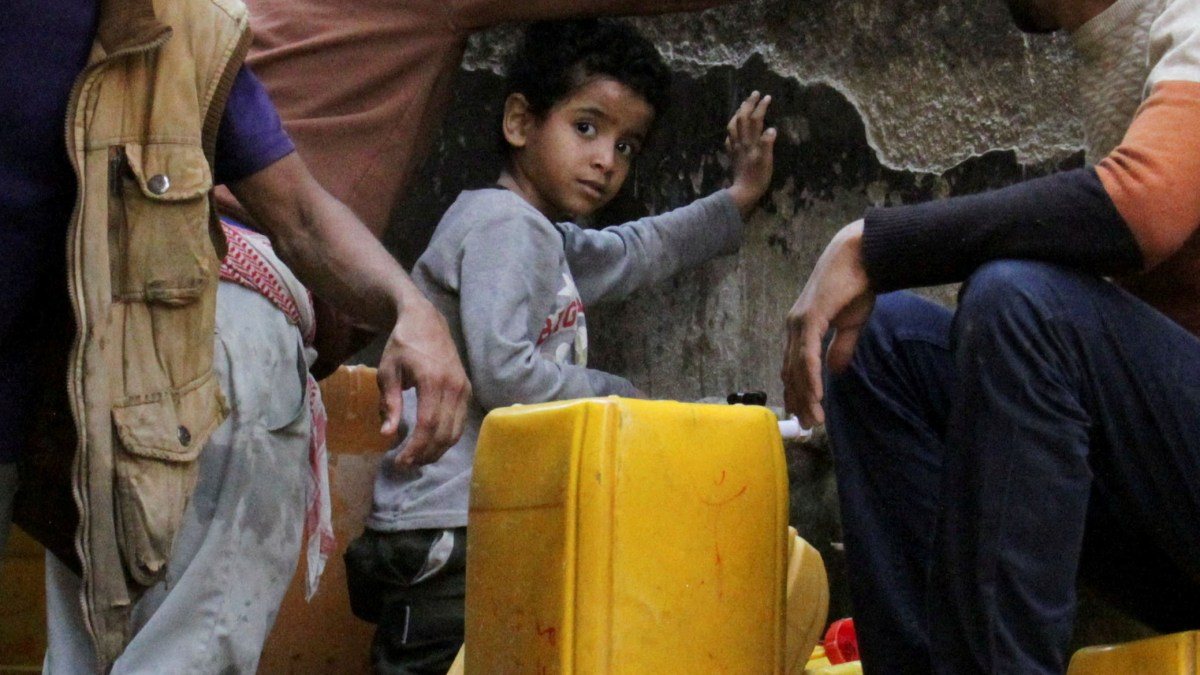
Taiz water crisis deepens as Houthi siege cuts supply and fuel to Yemeni city
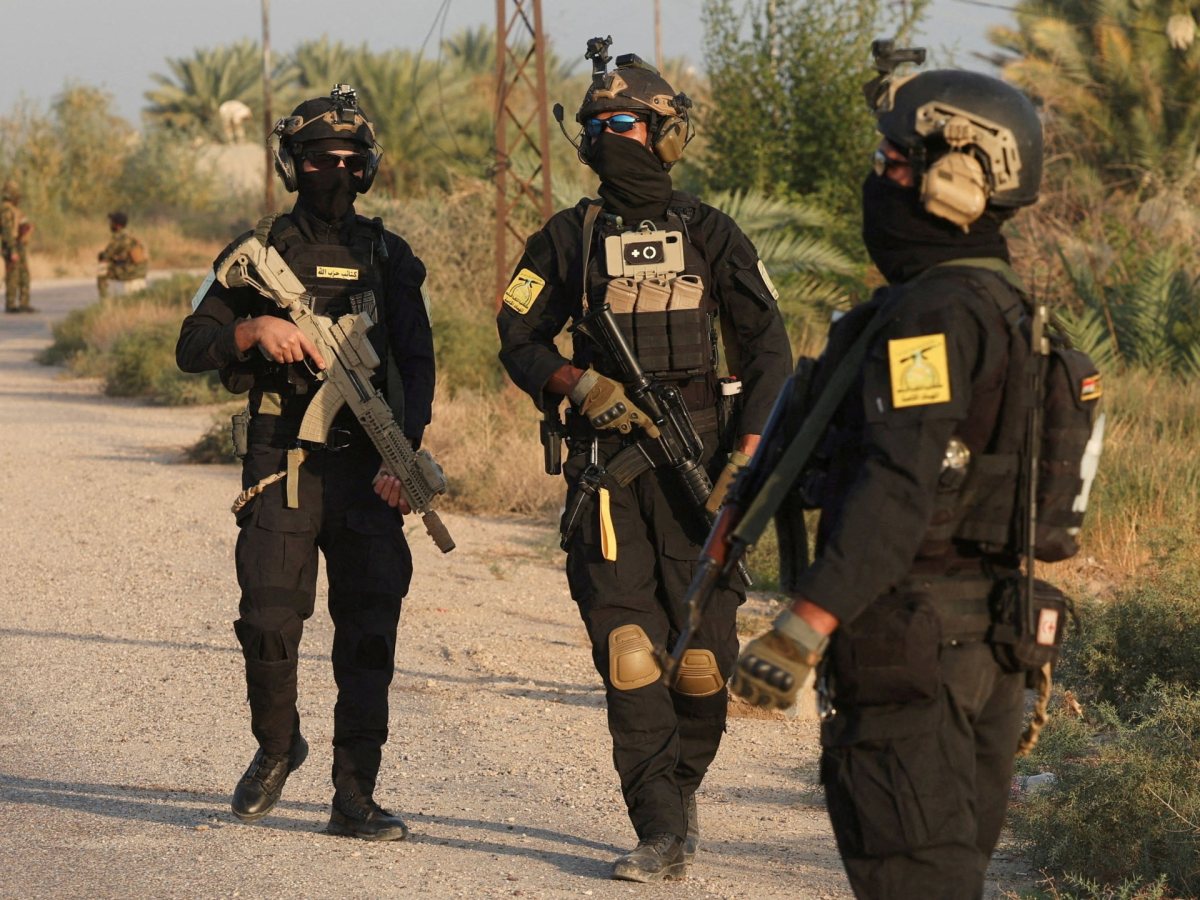
Iraq strikes deal with Kataib Hezbollah over Jurf al-Sakhar stronghold

US Lists Six Categories of Foreigners Permanently Barred From Citizenship
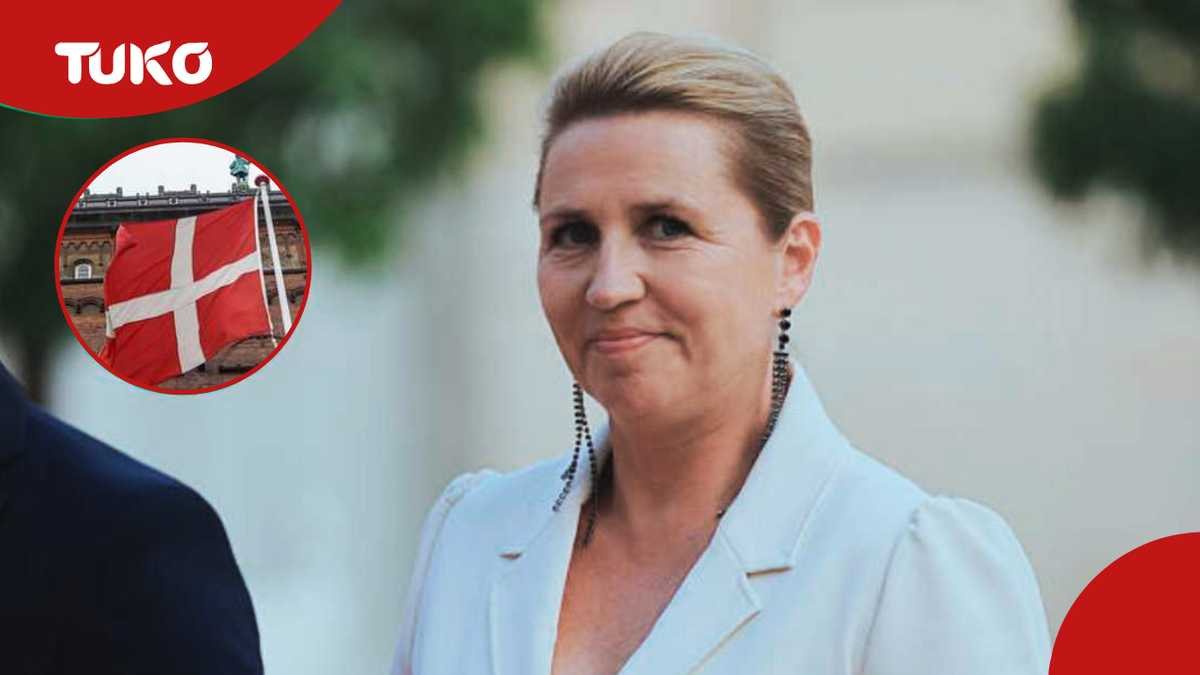
Denmark Publishes Job List Foreign Graduates Can Use to Apply for Work Permits
Thousands displaced again in Gaza's Nuseirat after Israeli ground operation
Global Community Remarks
0