
Gambia hails ICJ ruling that Myanmar committed genocide against Rohingya
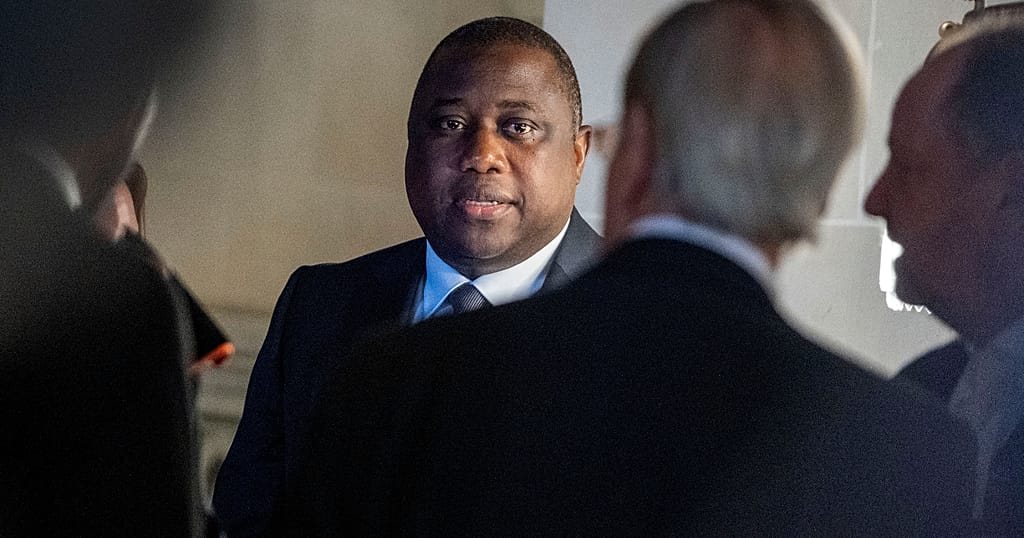
Gambia has welcomed a judgement by the International Court of Justice (ICJ) finding that Myanmar committed genocide against the Rohingya, a largely Muslim minority, according to Africanews.
The West African country took Myanmar to the United Nations' highest court in 2019. That was two years after Myanmar's military launched a brutal crackdown against the Rohingya.
In a 9-6 decision delivered on Thursday, the judges dismissed Myanmar's argument that its campaign was a lawful operation against insurgents, Africanews reported.
Orders to prosecute and compensate
The court directed Myanmar to investigate, prosecute and punish those found to have carried out genocidal acts. It also ordered the country to pay compensation to the Rohingya.
Speaking after the verdict, Gambia's Justice Minister, Dawda Jallow, said the court had found that Myanmar breached the 1948 Genocide Convention and had ordered reparations.
Jallow described the ruling as the first time the court had held a state responsible for committing genocide, which he called "the crime of crimes".
He credited the outcome to the survivors who gave evidence in the case.
"The victory belongs to the Rohingya. They survived. They testified, and today they were believed." - Dawda Jallow, Gambia's Justice Minister
Focus shifts to enforcement
Jallow said Gambia would keep supporting the Rohingya as attention turns to whether Myanmar will carry out the court's orders.
According to Africanews, the minister said Banjul would work with partners both bilaterally and multilaterally. He added that the UN system, through the UN Charter, offered a route to ensure the decision is enforced.
He said, however, that Gambia was first relying on Myanmar's authorities to comply voluntarily with the judgement.
Why Gambia brought the case
The Muslim-majority country filed the case after the removal of former military ruler Yahya Jammeh, whose time in power was marked by widespread abuses against civilians, Africanews reported.
The case placed a small African nation at the centre of one of the most closely watched international legal battles in recent years. It was brought under the 1948 Genocide Convention, which commits signatory states to prevent and punish genocide.
The ICJ, based in The Hague, settles disputes between states. The ruling against Myanmar marks the conclusion of a case that has run for several years since Gambia first went to court.
What happens next
Myanmar is now required to act on the court's directions, including holding those responsible to account and compensating the Rohingya.
Gambia's position, as set out by Jallow, is to press for compliance through diplomatic channels and the UN framework, while first giving Myanmar the opportunity to implement the ruling on its own.
Africanews did not report any immediate response from Myanmar's authorities to the verdict.
This story was prepared by the Hamasta Newsdesk with AI assistance, based on reporting by Africanews. Read the original report. Photo: Africanews.



Know what people say about you.
Media monitoring, audience insights and strategic communication for your brand.


More in International
See all
Taiz water crisis deepens as Houthi siege cuts supply and fuel to Yemeni city
Iraq strikes deal with Kataib Hezbollah over Jurf al-Sakhar stronghold
US Lists Six Categories of Foreigners Permanently Barred From Citizenship
Denmark Publishes Job List Foreign Graduates Can Use to Apply for Work Permits
Thousands displaced again in Gaza's Nuseirat after Israeli ground operation
Global Community Remarks
0