
Huang's Nvidia comeback rattles Asian markets as region's AI dependence comes into focus
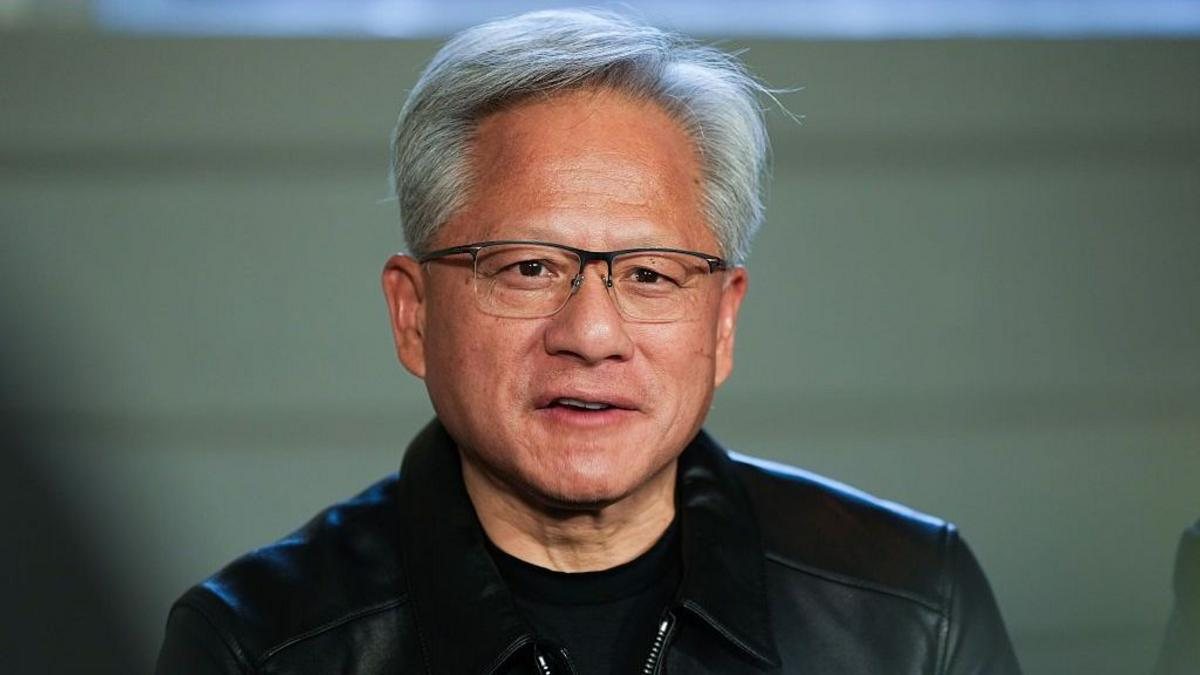
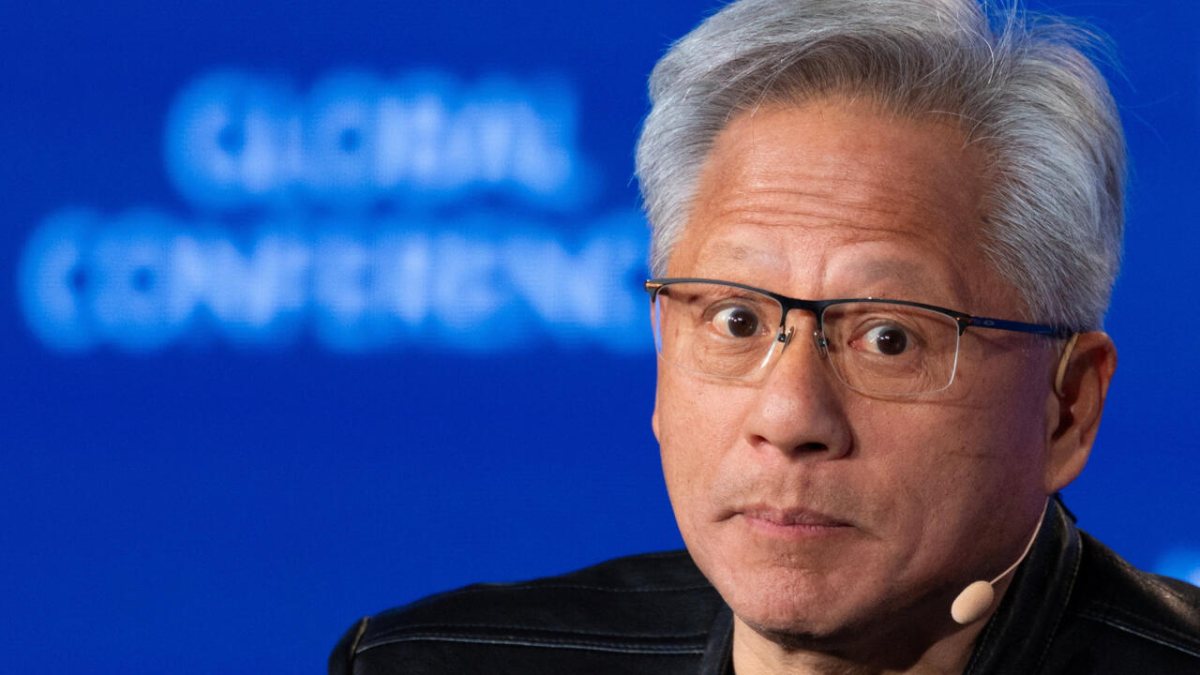
Jensen Huang's surprise return as chief executive of Nvidia has sent tremors through stock markets across Asia, underlining how deeply the region's economies now depend on the US chipmaker and the artificial intelligence (AI) boom it powers, according to BBC Technology.
Technology-heavy indexes in Japan, South Korea and Taiwan swung wildly this week. They first rallied as Nvidia's share price climbed by close to a trillion dollars, then fell back as investors worried about mounting political and regulatory scrutiny in the United States.
A region built around one company
Dylan Loh, an international studies lecturer at Nanyang Technological University in Singapore, told the BBC that Nvidia has become a symbol of the wider AI trade, which is increasingly central to economies such as South Korea, Taiwan, Singapore and Malaysia. He described Asia as far more than a customer base, saying the region's chip manufacturing and memory industries are essential to Nvidia's dominance.
Nvidia grew quickly by outsourcing production rather than building its own factories, relying mainly on Taiwanese chipmaker TSMC. Paul Cavey, founder of Taipei-based research firm East Asia Econ, said this leaves Taiwan exposed to shifts in AI demand, noting that the island's strong economic growth since 2024 has been driven largely by AI-related exports.
Earlier this year, Huang said Nvidia planned to invest roughly $150bn a year in Taiwan, speaking at an event marking the company's planned headquarters there. South Korea and Japan are also exposed, Cavey said, as suppliers of memory chips and testing equipment, with firms including Samsung and SK Hynix among Nvidia's key partners. The company also acts as a major lender to businesses across the AI supply chain.
Data centre boom
Market research group CBRE says the Asia-Pacific data centre market, largely running on Nvidia chips, is experiencing an unprecedented boom, with investment reaching a record $11.6bn in 2025. CBRE added that Google, Microsoft and Oracle plan to raise infrastructure spending in the region by about 60% this year.
Singapore this week raised its growth forecast again, citing the boost from AI. However, Singapore-based Megaspeed, which had become South East Asia's largest buyer of Nvidia chips, has been accused of smuggling them to China. The firm says it operates lawfully and has hired outside lawyers to investigate. Washington has said it intends to bar Megaspeed from doing business in the US.
Jubilation and caution in Taiwan
In Taiwan, where Huang was born, many investors celebrated his return, with social media posts joking that one man had come back to save the village. Others said the episode should prompt a closer look at Taiwan's efforts to build a chip supply chain independent of China and at the risks of relying so heavily on a single company.
Political headwinds
Pressure from Washington is also growing. Both the Biden and Trump administrations tightened export controls on Nvidia's most advanced chips to China. Last week, the US announced new rules increasing scrutiny of data centre operators in Singapore, Malaysia, Thailand, Indonesia and Brazil, restricting Chinese firms' ability to rent computing power abroad to train AI models.
According to the Financial Times, Nvidia has paused shipments to the region, though it is unclear whether this is temporary. Nvidia did not immediately respond to the BBC's request for comment.
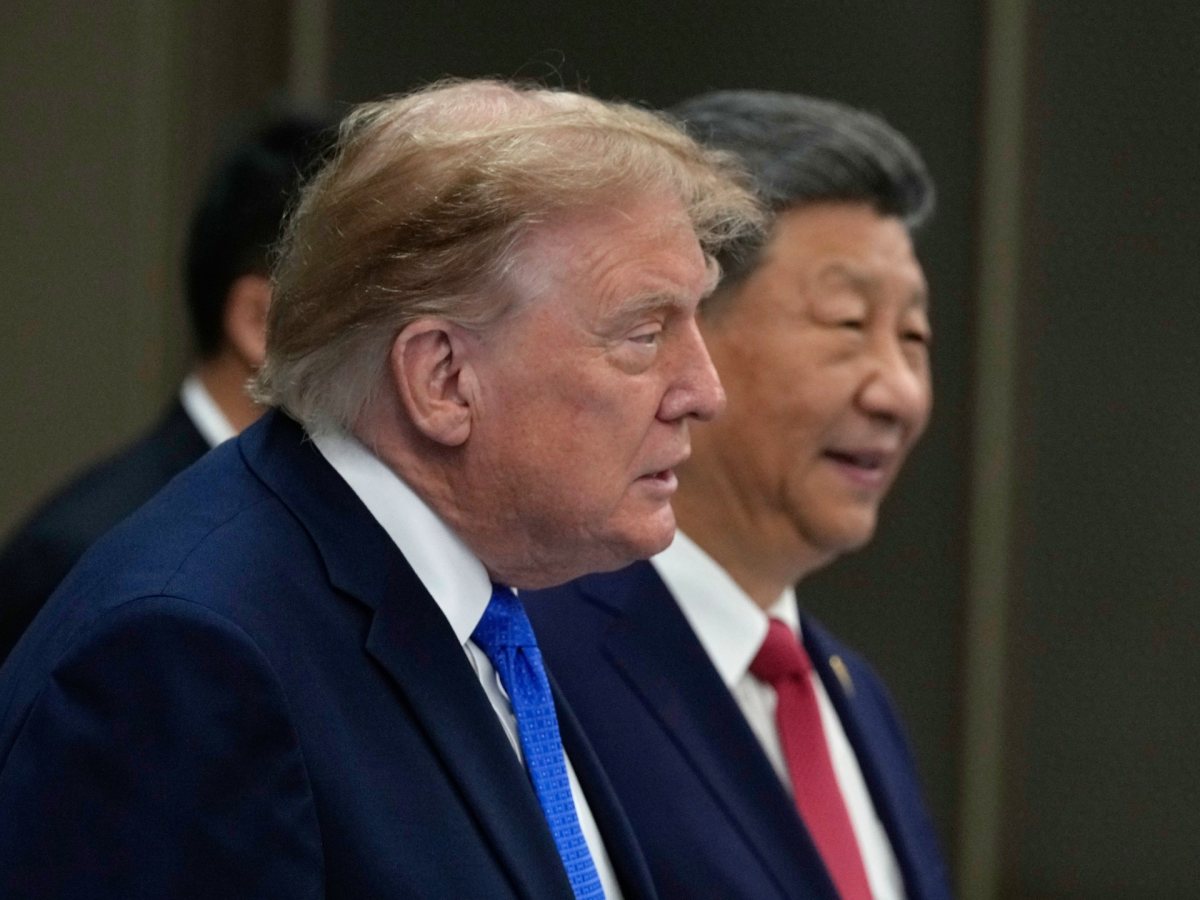
A bipartisan backlash has also followed President Donald Trump's claim that he persuaded Nvidia's board to reinstate Huang. Huang is due to testify before Congress next week, and Democrats are set to take control of both chambers in the New Year.
"Jensen's return may resolve the immediate leadership crisis, but it does not resolve the legal and political overhangs." – Charu Chanana, Saxo Bank
Ray Wang, founder of San Francisco-based Constellation Research, said he expected Democrats in Congress to investigate the matter, adding that the saga was far from finished.
This story was prepared by the Hamasta Newsdesk with AI assistance, based on reporting by BBC Technology. Read the original report. Photo: BBC Technology.
Every moment, captured beautifully.
Events, corporate portraits, products and editorial shoots by our newsroom photographers.






More in Technology
See all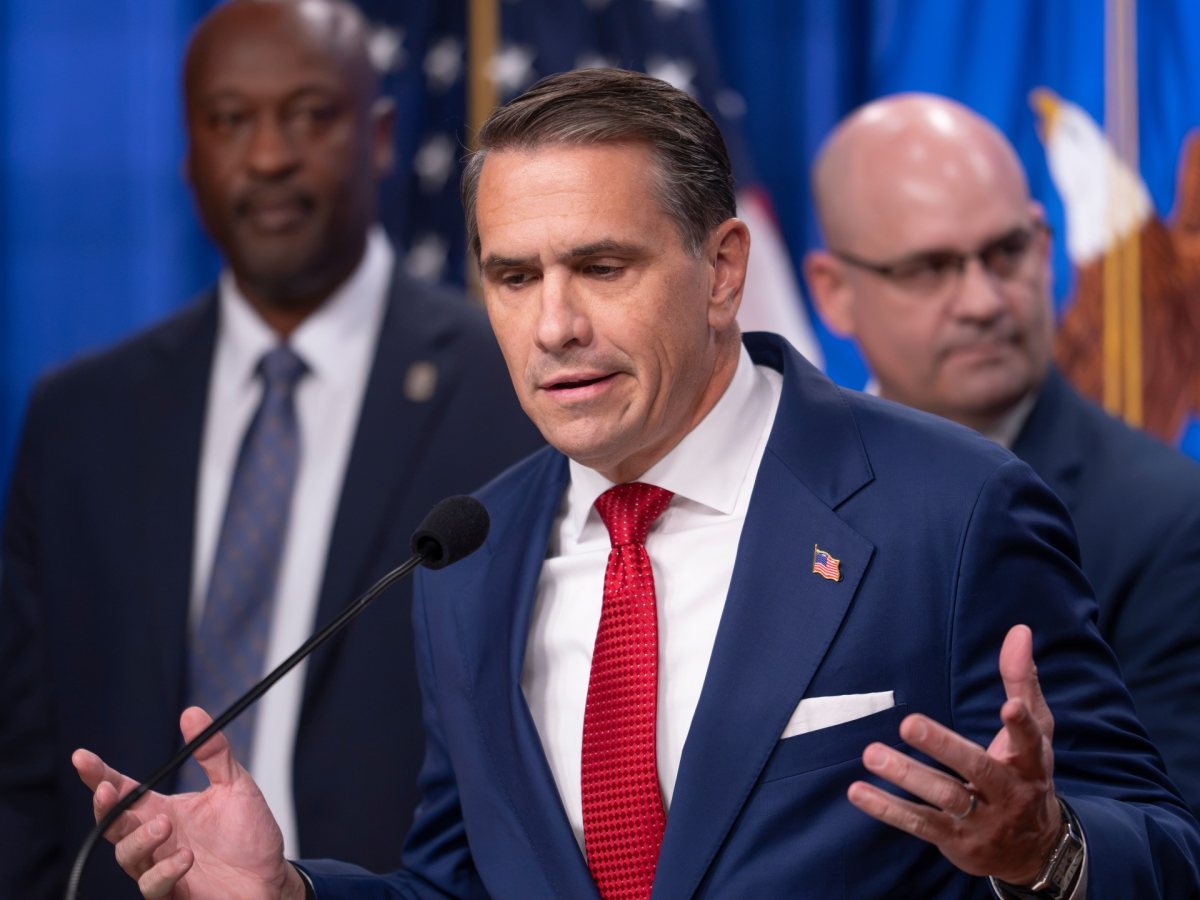
US attorney general sidesteps questions on whether Nvidia's Jensen Huang was probed
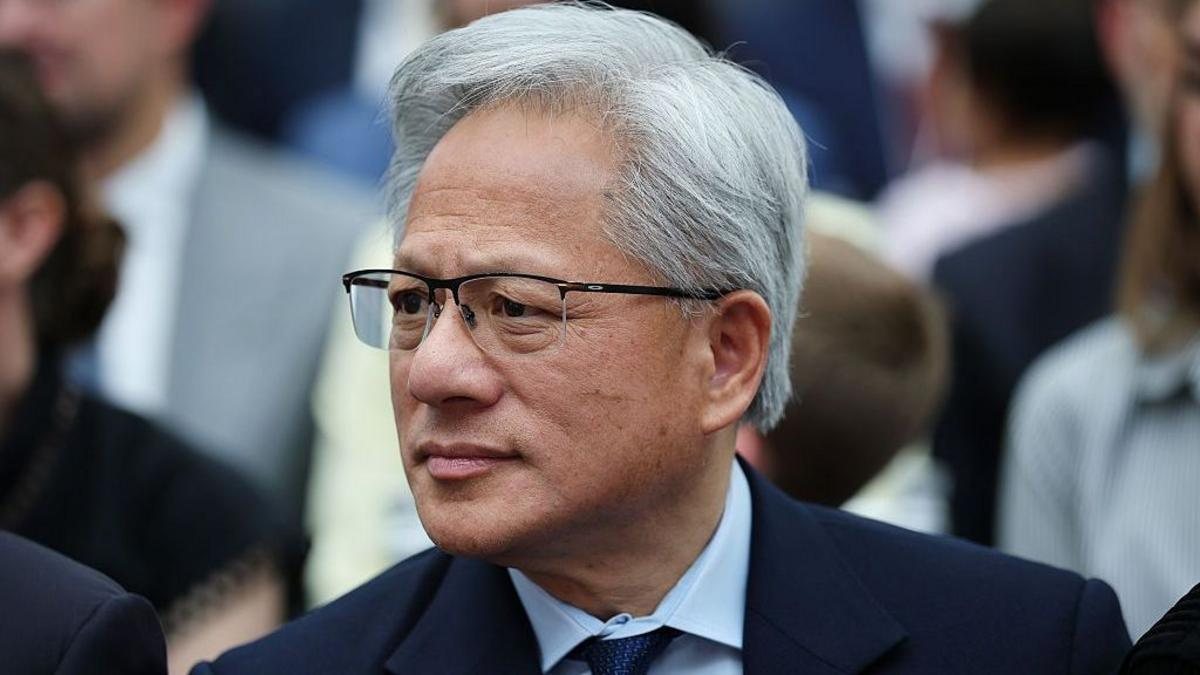
Nvidia shares fall as US lawmakers question Trump's role in Jensen Huang's return
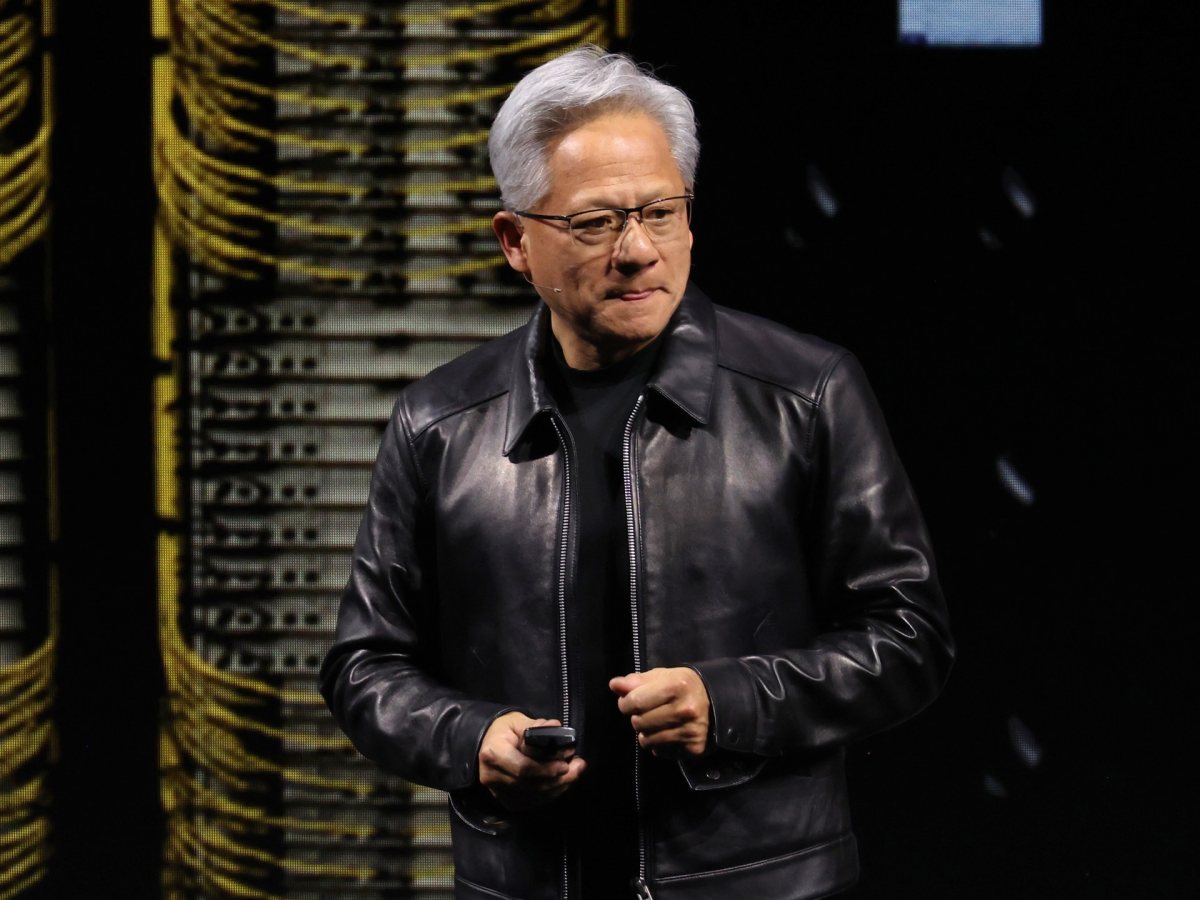
Musk and Silicon Valley insiders push Nvidia to bring back Jensen Huang as CEO
Trump urges Nvidia to give ousted CEO Jensen Huang 'a second chance'
Nvidia board rules out Jensen Huang's return as CEO despite strong sales forecast
Global Community Remarks
0