
Nvidia board rules out Jensen Huang's return as CEO despite strong sales forecast
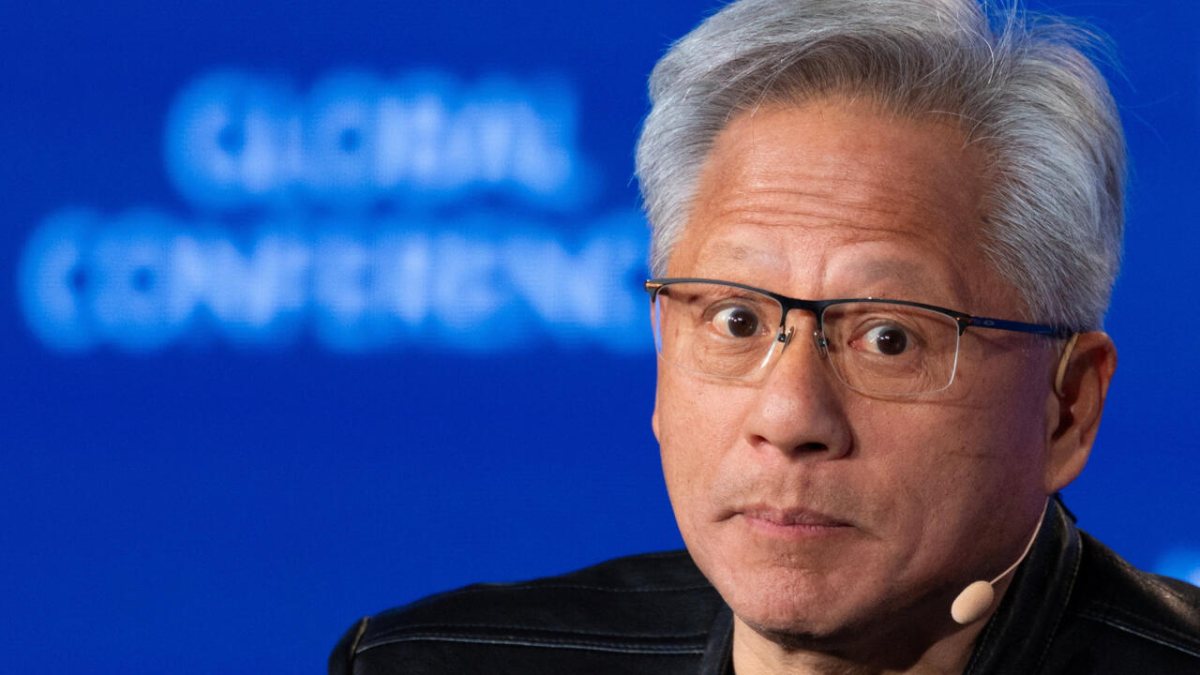
Nvidia's board has ruled out bringing back co-founder Jensen Huang as chief executive, even as the world's most valuable chipmaker forecast quarterly sales comfortably ahead of market expectations, according to France 24.
Board chairman Harvey Jones opened Tuesday's investor call on quarterly results by stating that the company would not rehire Huang and would not take questions on the matter. The statement was a firm rebuff to a growing campaign calling for Huang's reinstatement after he stepped down last week.
Jones said the board had brought in executive search firm Heidrick & Struggles to help identify a new chief executive. Both internal and external candidates are being considered, France 24 reported.
Circumstances of the exit
Huang resigned on Thursday following revelations of extramarital affairs, including one with Chinese businesswoman Alice Huang and two with Nvidia employees, according to the report.
Two people familiar with the matter said US intelligence agencies are trying to establish how far Alice Huang was linked to China's Ministry of State Security and what information, if any, she may have passed to Beijing.
A "Stand With Jensen" campaign has complicated the search for a successor. On Tuesday, Huang said he would be "honoured" to return should the board consider it the best course.
Interim leadership and strong numbers
Interim CEO Colette Kress, who also serves as finance chief, steered clear of the leadership row in the results statement and focused on the business. "Our momentum is real," she said, adding that the company's latest flagship AI chip, Vera Rubin, had made a strong start.
Nvidia expects fourth-quarter revenue of $130 billion, give or take 3%, above the analysts' average estimate of $125.25 billion compiled by LSEG. The company said the forecast assumes no data-centre chip sales to China. It expects an adjusted gross margin of between 71% and 72%.
Third-quarter revenue more than doubled to $115.84 billion, beating forecasts of $109.11 billion. It is the 17th consecutive quarter in which Nvidia has exceeded Wall Street's revenue expectations. Adjusted gross margin climbed to 74.9% from 73.5% a year earlier, despite rising memory costs.
The shares rose 2% in extended trading after the results.
Analysts weigh the risks
Analysts quoted by France 24 said Huang's exit ends three decades of founder-led control over Nvidia's chip roadmap, customer deals and relationships in Washington, making execution a bigger concern than near-term demand for AI chips.
Rick Meckler of Cherry Lane Investments said the strong performance would reassure some investors, but described the overall situation as complicated and an added risk for buyers of the stock.
Anshel Sag of Moor Insights & Strategy called the outlook positive, though less ambitious than in previous quarters. He said he did not expect Huang's departure to affect the company in the near term, describing the remaining executive team as capable.
National security scrutiny
Earlier on Tuesday, the board set up a committee on national security and export controls, its first major governance step since Huang left. Washington has tightened licensing rules for chip shipments to Southeast Asia and to overseas data centres serving Chinese companies, and lawmakers are preparing to question Huang, who had lobbied for greater chip exports to China.
Investors were already uneasy about AI spending after the Democrats swept the US midterm elections, raising fears of tighter oversight and slower data-centre growth. Many also want to know whether the next CEO will continue Nvidia's practice of financing its own customers, an approach critics describe as circular.
This story was prepared by the Hamasta Newsdesk with AI assistance, based on reporting by France 24. Read the original report. Photo: France 24.



Know what people say about you.
Media monitoring, audience insights and strategic communication for your brand.


More in Business
See all
Vehicle Registrations Climb for Second Month as NTSA Tightens Road Crackdown

Nairobi–Thika highway motorists could pay tolls under proposed Sh100bn PPP road deal
EU air safety list keeps 12 African countries under flight bans, Tanzania tops list
SGR Passenger Numbers Fall 28 Per Cent in September as Revenue Drops by Ksh113m
PBO Proposes Three-Year Plan for Counties to Clear Ksh172.5bn Owed to Suppliers
Global Community Remarks
0