
Germany striker Laura Freigang handed 16-month ban over drug-testing failures
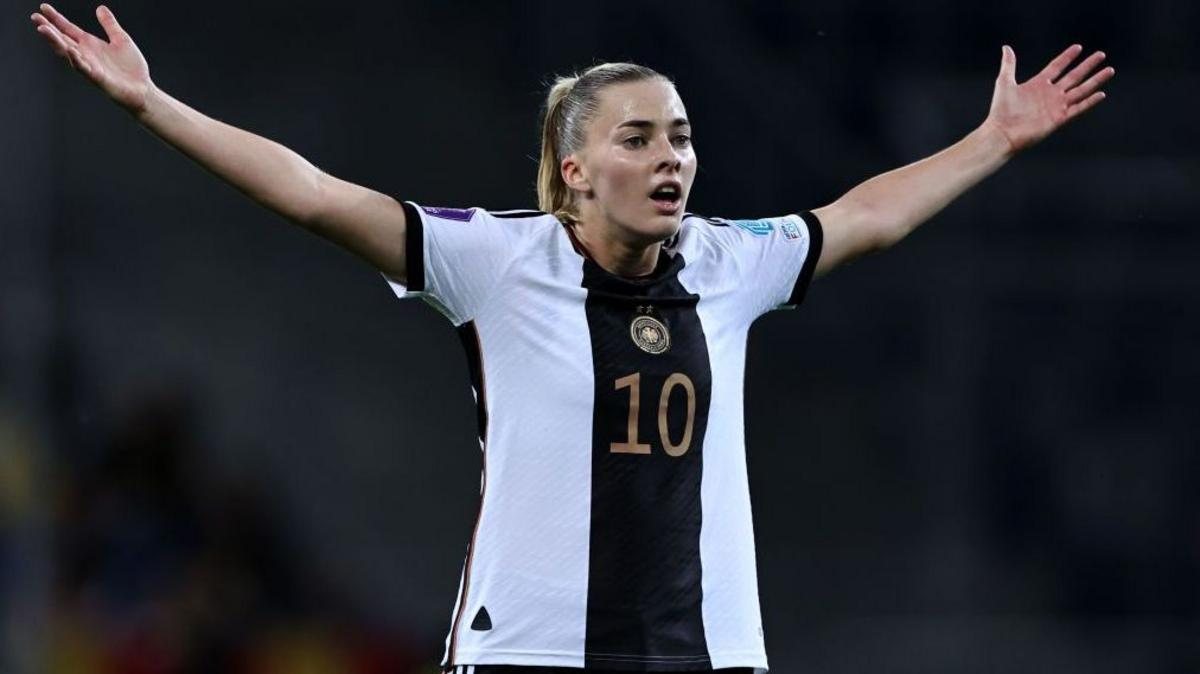
Germany international Laura Freigang has been suspended from football for 16 months over three failures linked to anti-doping reporting and testing, ruling her out of next summer's Women's World Cup, according to BBC Sport Football.
The 28-year-old Eintracht Frankfurt forward is barred from all football activity until after 7 October 2027.
The suspension runs from the date the German Football Association (DFB) formally notified her, which happened in June.
Settlement with anti-doping bodies
The ban follows a dispute resolution agreement reached between the World Anti-Doping Agency (Wada), Germany's National Anti-Doping Agency (Nada), the DFB and the player herself.
Under the terms of that agreement, Freigang was found to have committed three reporting and/or testing failures in the period between 11 March 2025 and 23 February 2026.
She will be allowed to resume training two months before the suspension ends, but she cannot take part in matches until after 7 October 2027.
All of her individual records from 23 February 2026 onwards, including appearances, goals and assists, have been wiped out. Frankfurt's team results over that period, however, will stand.
Blow for club and country
The suspension removes one of the most productive forwards in German women's football. Freigang has scored 17 goals in 45 appearances for her country and was part of the squad that beat Australia and Japan in friendly matches in October.
At club level, she has netted 107 goals in 187 appearances since joining Frankfurt in 2020. This season she had registered six goals and two assists in 11 starts in the Frauen-Bundesliga.
Her contract with Frankfurt is due to run until 30 June 2027. The club said in a statement that it would soon open talks to decide the terms of her future employment.
Club praises player's conduct
Frankfurt's director of women's football, Katharina Kiel, said the settlement brought an end to a process the club had never faced before.
Kiel said the agreement "provides clarity and planning security" for the club and, above all, for Freigang.
She praised the way the player and her team-mates had handled the situation in recent months, adding that Freigang had set an example through her performances on the pitch during a difficult period.
However, Kiel acknowledged that the shortcomings identified had still led to a suspension, which meant the club was losing a key player.
What happens next
With the ban in place until October 2027, Freigang faces a long spell on the sidelines that covers the remainder of her current Frankfurt contract and the global tournament next summer.
Germany, one of the most successful nations in the history of the women's game, will now have to plan for the World Cup without one of their leading attacking options.
Frankfurt, meanwhile, must decide how to proceed with a player who has been central to their attack since her arrival six years ago, as talks over her future are expected to begin shortly.
This story was prepared by the Hamasta Newsdesk with AI assistance, based on reporting by BBC Sport Football. Read the original report. Photo: BBC Sport Football.


Take your event live to thousands.
Multi-camera live streams, panel discussions and digital broadcasts with professional crews.




More in Sports
See all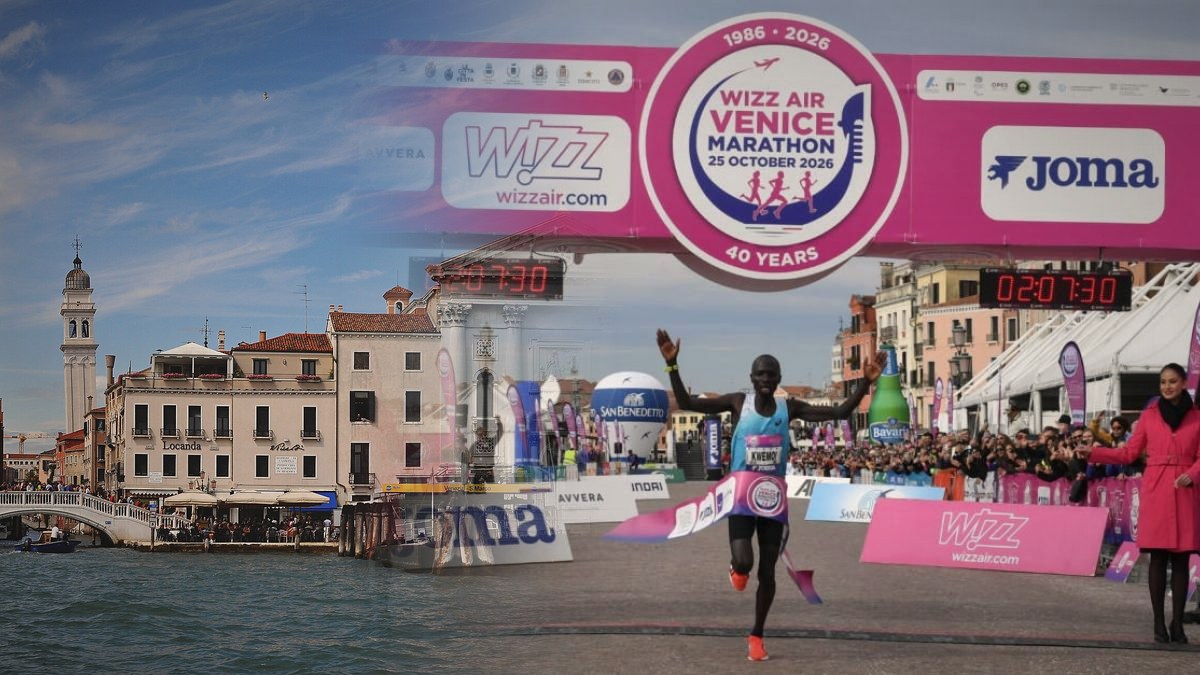
Kwemoi breaks Venice Marathon record as Kenyans win in Venice and Casablanca, Biwott third in Frankfurt

Isak's Brugge double takes Liverpool striker to 10 goals for the season
WHO warns testing and funding gaps are weakening global fight against drug resistance

Motorists Face Ksh500,000 Fine Under Proposed Mandatory Emissions Testing Law
Lufthansa plans 1,000 job cuts at Frankfurt and Munich hubs amid losses
Global Community Remarks
0