
Ukraine says 'Operation Bear Trap' retook 200 sq km in Kharkiv as Russian losses climb
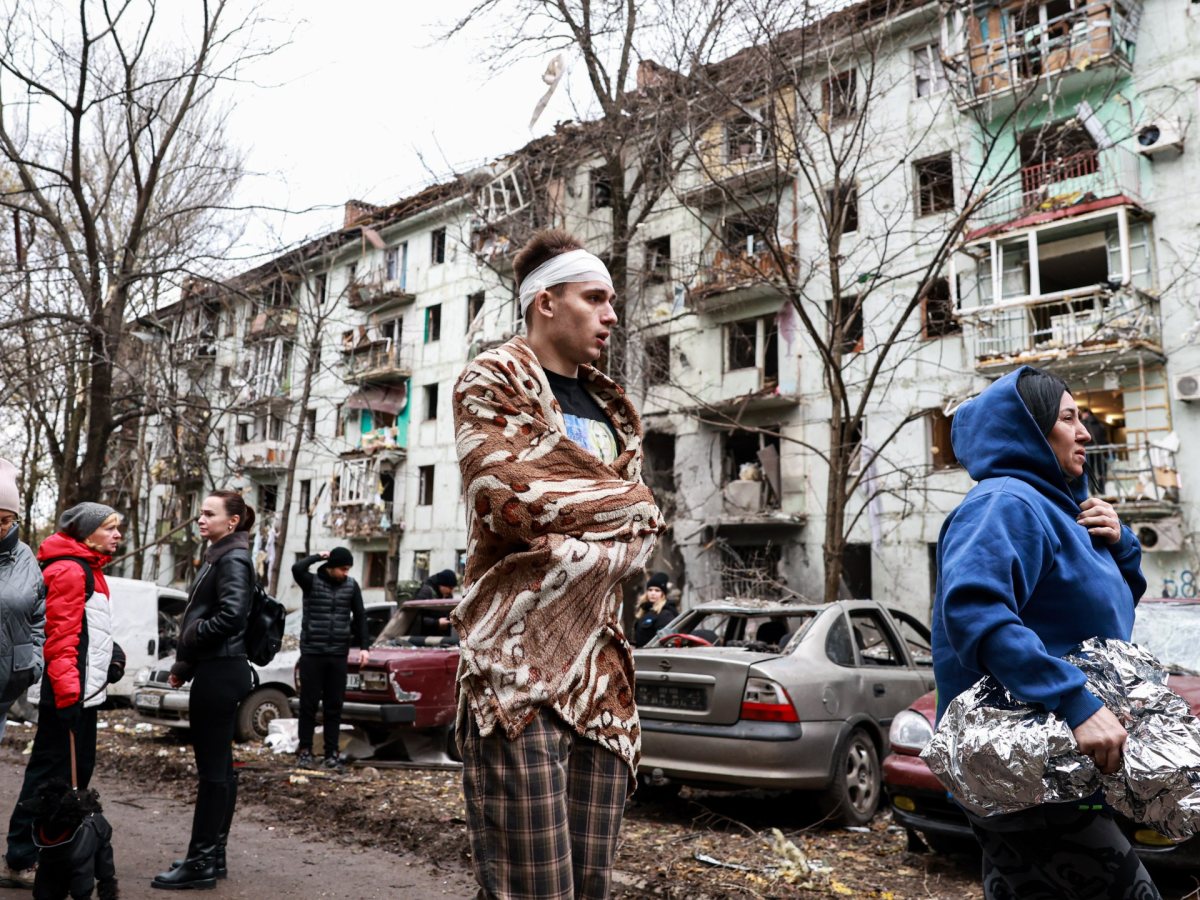
Ukraine says a new offensive in the northern Kharkiv region has pushed Russian troops out of about 200 square kilometres of territory and 14 settlements, even as United States negotiators continue to press Kyiv to accept a deal that would involve giving up land, according to Al Jazeera.
Details of the operation, codenamed Operation Bear Trap, emerged on November 20. It is the fourth such Ukrainian counter-operation this year, and the Ukrainian command says it is still under way.
Deception on the border
The offensive came roughly a month after Moscow claimed to have encircled some 2,000 Ukrainian soldiers in a pocket next to the Russian border near the town of Velykyi Burluk.
Al Jazeera reports that Ukrainian commanders, recognising the danger, launched an operation built on secrecy and feints. Using a captured Russian T-80 tank alongside a US-made Abrams tank, Ukrainian units attacked the border town of Vilhuvatka to suggest that the main thrust would fall there.
They then hit Russian reinforcements from behind as they arrived, and used drones to lay mines remotely along Russian supply routes.
Russian forces still hold at least four border villages in Kharkiv, including Vovchansk. However, a Russian plan to capture nearly 500 square kilometres in the area has been thwarted, the report says.
Elsewhere, Ukraine's General Staff said its troops in the eastern Donetsk region were repelling assaults. Retired Ukrainian colonel Konstantyn Mashovets said forces had also gained ground in southern Zaporizhia near Novopavlivka.
Record casualties claimed
Ukraine's military said total Russian casualties reached 432,519 on November 24. A day later, it reported a new monthly record of 55,629 for November, with five days of the month still remaining. These figures could not be independently verified.
Despite the gains, Kyiv continues to struggle to protect its airspace, and nationwide power cuts are causing hardship for civilians.
Pressure over peace terms
On the diplomatic front, The Wall Street Journal reported that US negotiators had placed two proposals before Ukraine, both involving land in exchange for peace. Under one, Ukraine would give up the heavily defended Donetsk cities of Sloviansk, Kramatorsk and Druzhivka in return for full NATO membership. President Volodymyr Zelenskyy has rejected withdrawing from that line.
US negotiator Jared Kushner told a news conference in Berlin that Russia had accepted the second option: security guarantees modelled on NATO's Article 5 in exchange for freezing the front line. He said President Donald Trump was open to the idea, provided it served American interests.
Al Jazeera notes that this would likely leave Europe responsible for Ukraine's future defence, while Russia refuses to accept European troops on Ukrainian soil.
Zelenskyy told Bloomberg that Washington appeared to be moving in the direction Moscow wanted. He said the US seemed set on pushing Ukraine "into unfavourable compromises".
Russian official Dmitry Medvedev repeated that Ukraine's possible NATO membership was a central cause of the war, and suggested Lviv could be handed to Poland under a settlement.
German Chancellor Friedrich Merz told parliament that Russia was escalating across the Baltic, Poland, the Black Sea and beyond. He referred to two Russian missiles and a drone that came down in Poland on November 20, in an area where a multinational force of more than 5,000 personnel was holding its first exercise.
Strikes at sea and deep inside Russia
Ukraine also stepped up long-range attacks during the week, according to the report:
- On November 21, it hit the Russian logistics vessel Sparta II, travelling from St Petersburg to Kaliningrad.
- On November 22, Ukrainian naval drones sank the Russian corvette Merkury near Benghazi, Libya, an attack that has strained relations with Italy. The same day it struck another logistics ship, the Angara, in the Mediterranean.
- On November 25, it attacked Savasleyka airfield, damaging a MiG-31 and two Su-24 aircraft.
- It twice struck the Kaleykino pumping station on the Druzhba oil pipeline, reportedly destroying three large oil tanks.
Ukraine also targeted four Russian refineries, one of them some 3,000km from unoccupied Ukraine. Such strikes have cut Russia's refining capacity by an estimated third and caused fuel shortages, Al Jazeera reports.
This story was prepared by the Hamasta Newsdesk with AI assistance, based on reporting by Al Jazeera. Read the original report. Photo: Al Jazeera.





Show the impact of your work.
Impact stories, campaign videos and community engagement for NGOs and programmes.

More in International
See all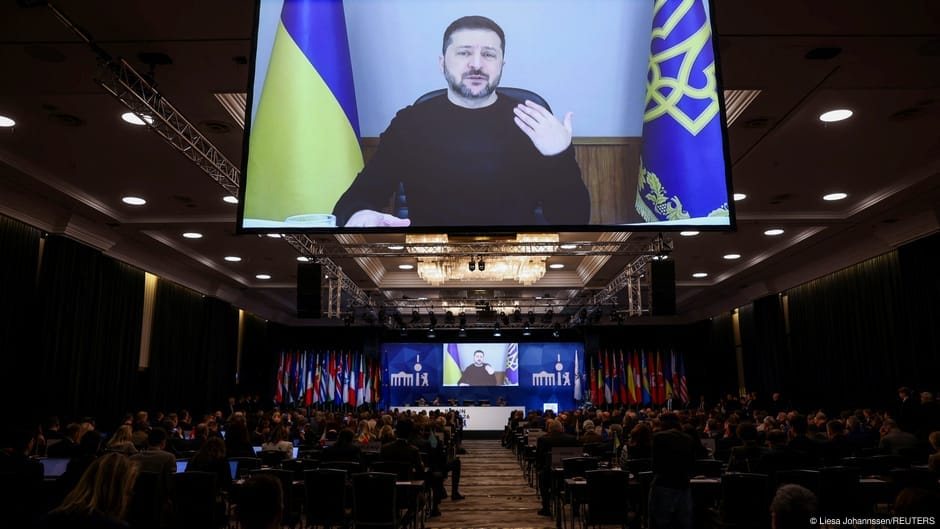
Zelenskyy presses NATO for membership and air defence, but allies remain divided
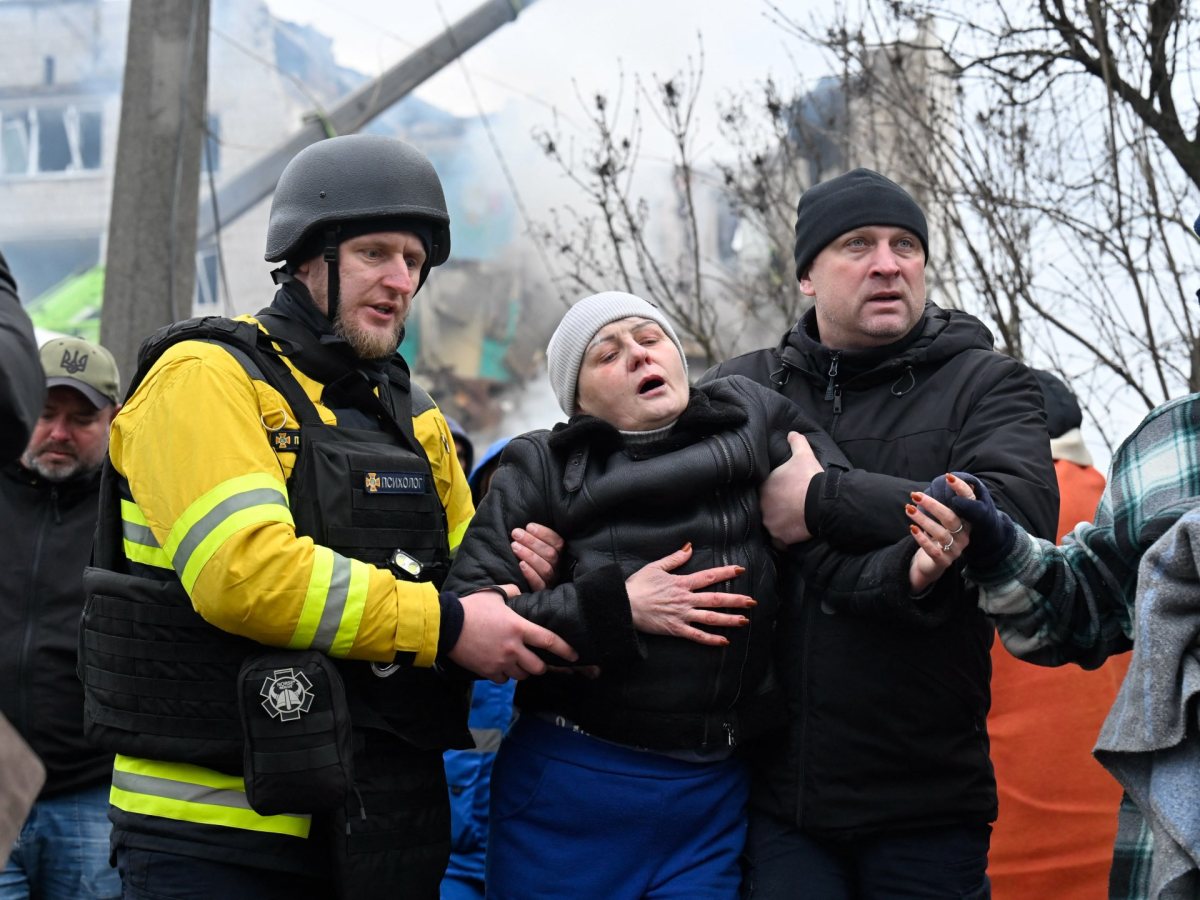
Zelenskyy presses US over Patriot missiles as Russian strikes kill seven
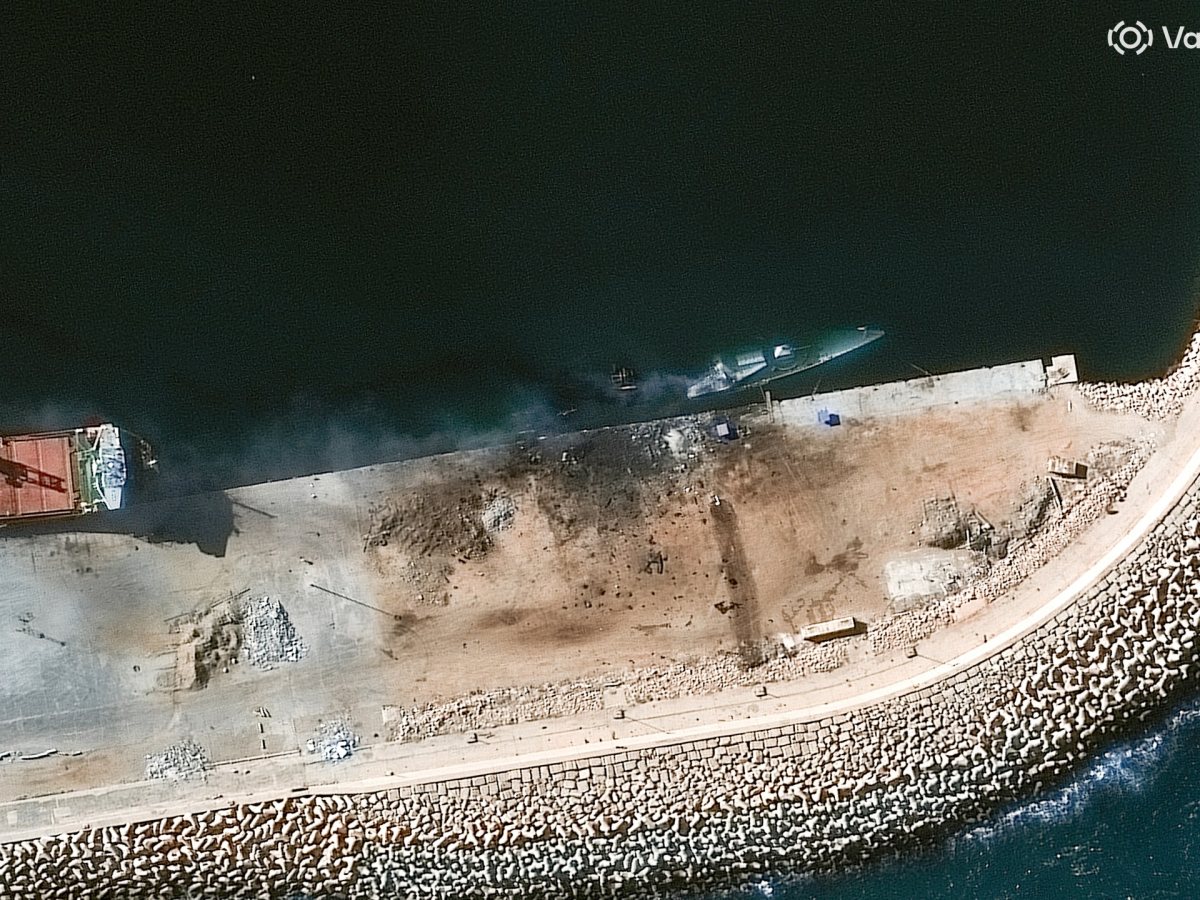
Zelenskyy says Ukraine sank Russian warship and hit cargo vessel off Libya

US sounds out Ukraine on ceding Donetsk for NATO-style security guarantees
Russian missiles hit Zelenskyy's hometown Kryvyi Rih, killing boy, 7, and woman, 20
Global Community Remarks
0