
Azerbaijan opposition leader Ali Karimli marks a year in jail as coup trial continues
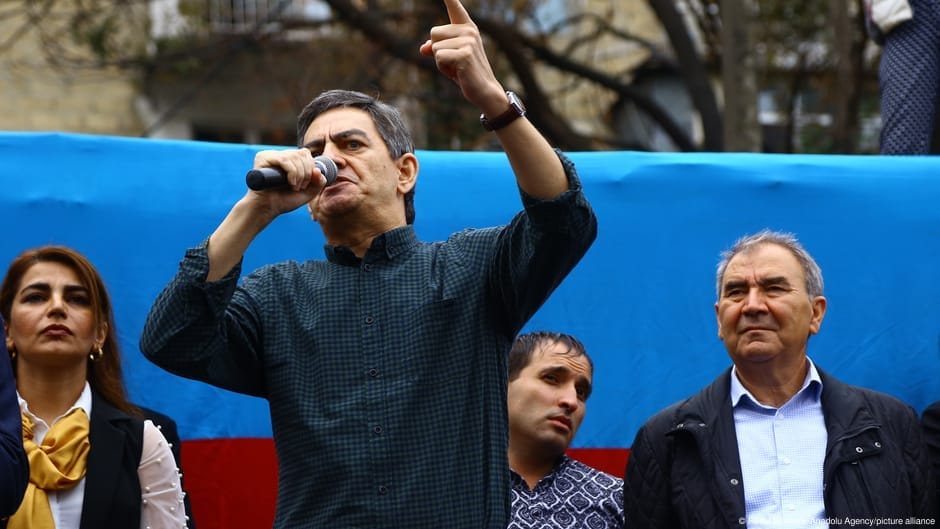
Azerbaijani opposition leader Ali Karimli has now spent a year in detention, facing charges of trying to take power by force that he and international rights groups reject as politically driven, according to DW News.
Karimli, who has chaired the Azerbaijani Popular Front Party (APFP) since 2000, was detained on November 29, 2025, together with his long-serving political adviser and senior party official Mammad Ibrahim. The two men are now on trial together.
Serious charges
The State Security Service has charged both men under Article 278.1 of the Criminal Code, which deals with attempts to forcibly seize power or alter the constitutional order. If convicted, they could face between 12 and 20 years in prison, or a life sentence.
In a February statement, the security agency claimed Karimli had conspired with Ramiz Mehdiyev, a former head of the Presidential Administration, and his associates to take state power. It also tied the alleged plot to foreign intelligence interference in Azerbaijan's politics.
Investigators allege that Karimli intended to use a large July 2020 rally in Baku, held in support of the army, to stir unrest and occupy parliament and the state television buildings.
Defence rejects the case
In a 15-page court motion obtained by DW News from the party leadership, Karimli said he did not attend that rally and that the APFP played no role in organising it. He openly acknowledged that he wants political change in Azerbaijan but insisted he has always opposed violence.
"I accept only one way of coming to power — through democratic elections," Karimli wrote.
The court turned down his request to drop the charges at a preliminary hearing on November 3, but added the motion to the case file. Karimli also said the National Council of Democratic Forces, an opposition coalition set up in 2013, was formed openly to back a joint presidential candidate, not to plan a coup.
He denied ever meeting or communicating with Mehdiyev, saying the two had held opposing political positions for decades. Mehdiyev's lawyer told DW News that his client likewise denies any link to Karimli.
The trial is being held behind closed doors, with foreign diplomats also barred. Nazim Musayev, Ibrahim's lawyer, said the secrecy was justified on the grounds that the case involves state secrets, and that both defendants regard the prosecution as political.
Concerns over prison conditions
Karimli's son Turkel, who lives in the United States, told DW News he last spoke to his father in late April or early May, and that his mother has been refused calls and visits since June. He said conditions worsened over the summer, when authorities briefly stopped accepting family food parcels and capped extra drinking water at five litres a week.
Amnesty International reported that Karimli fainted from severe dehydration during a court hearing on August 6. Food deliveries have since resumed and lawyers were told the water allowance would rise to 10 litres a week. His legal team says he has lost considerable weight, and he has complained of noise, back pain and poor ventilation. Amnesty has warned that such conditions could amount to torture or other ill treatment.
Ibrahim's son Turan told DW News that his father suffers from kidney problems and insomnia, and that the family is struggling financially since the arrest.
International pressure
Amnesty International has demanded Karimli's release unless authorities can show reasonable evidence of a crime. On October 8, the European Parliament passed a resolution calling for the immediate and unconditional release of Karimli and other political prisoners in Azerbaijan. Karimli has also been awarded the 2026 Magnitsky Human Rights Award.
Asked about the case at a joint press conference in Baku on November 18 with German Foreign Minister Johann Wadephul, Azerbaijani Foreign Minister Jeyhun Bayramov said opposition membership does not exempt anyone from legal responsibility and that the court would decide the matter under Azerbaijani law.
The APFP continues to operate, but founding member Rahim Hajiyev, now based in France, said party activists, especially those active on social media, still face short-term administrative detentions.
This story was prepared by the Hamasta Newsdesk with AI assistance, based on reporting by DW News. Read the original report. Photo: DW News.



Grow an audience that listens.
Social media management, digital campaigns and online storytelling that converts.



More in International
See all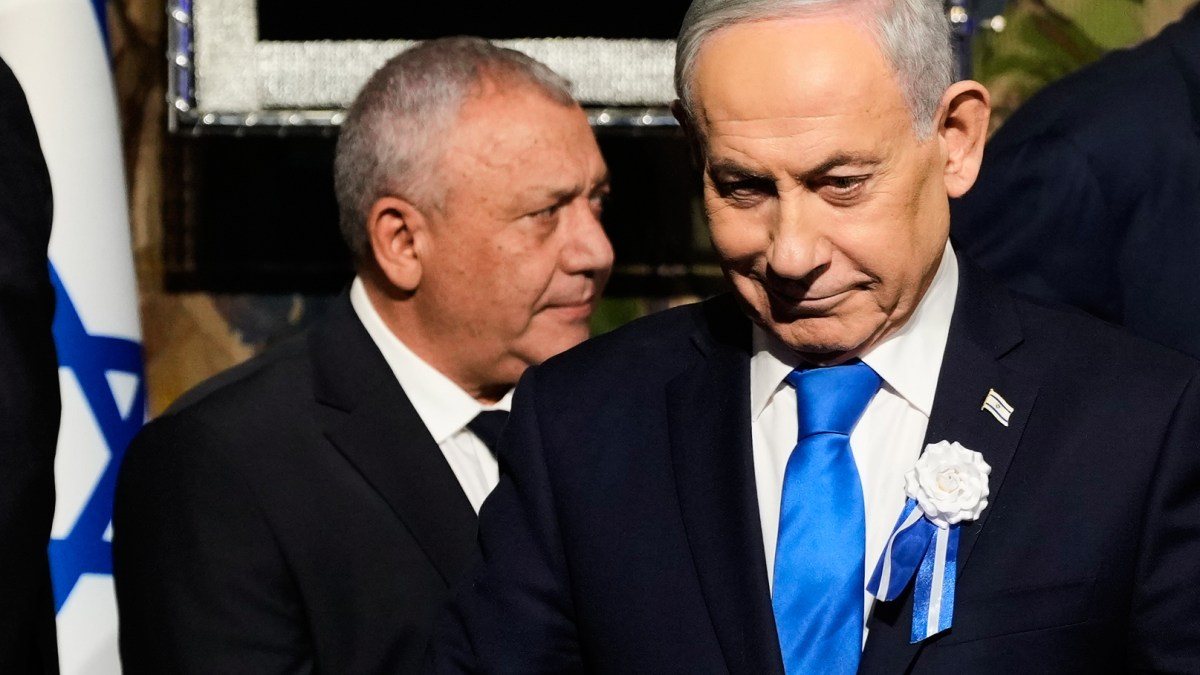
Israeli opposition accuses Netanyahu of 'attempted coup' over plot claims
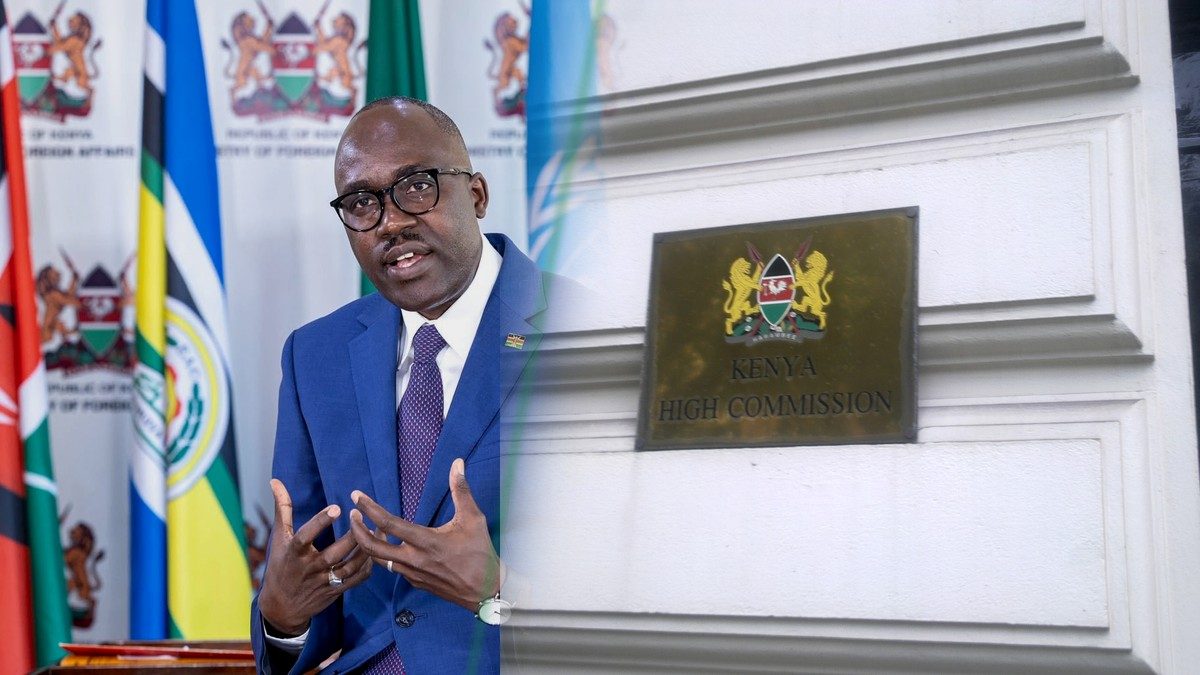
12,000 Kenyans in Switzerland lose their embassy: Bern mission shuts consular doors on November 30 as Kenya heads for Azerbaijan and Congo
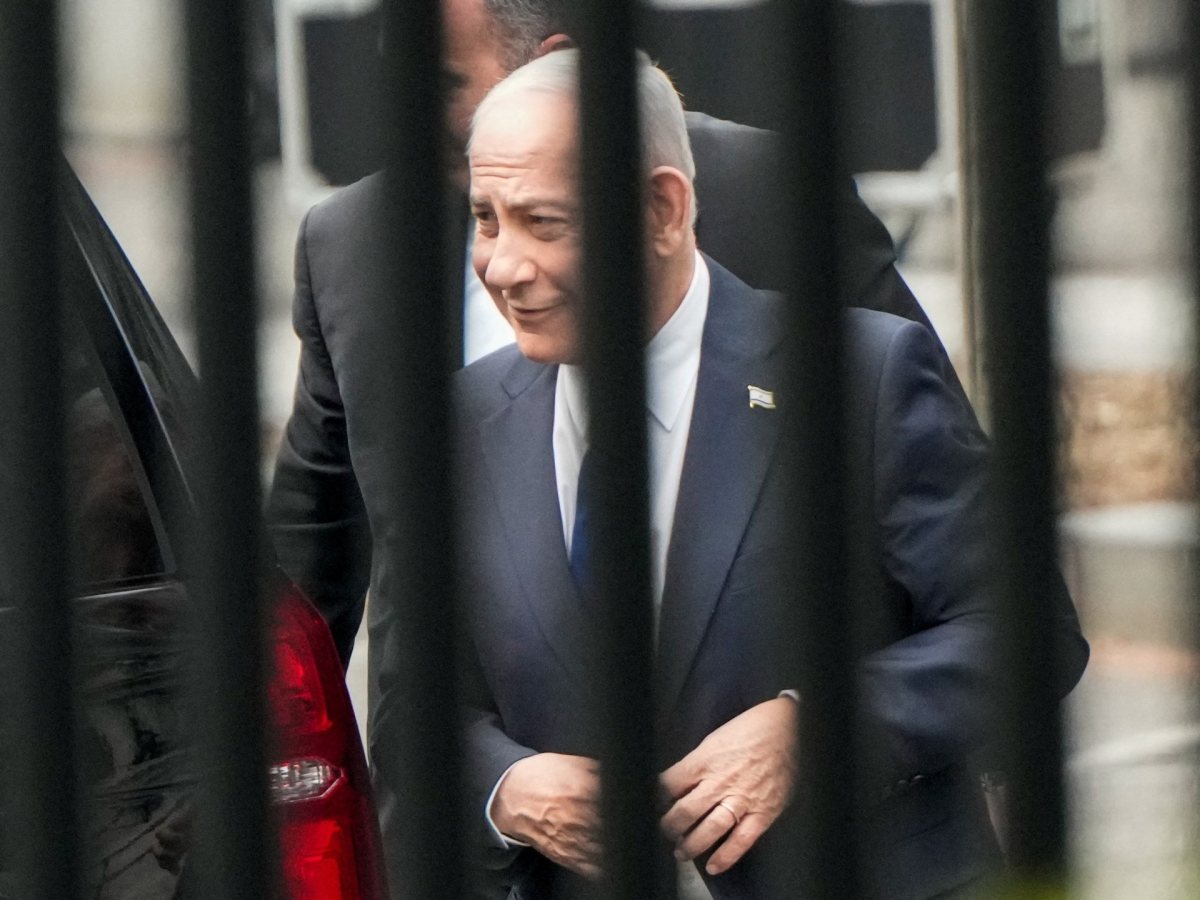
Netanyahu trial judges urge prosecutors to drop most serious corruption case

KENYAN POLITICS: RUTO’S 2027 RE-ELECTION BATTLE, OPPOSITION DIVISIONS AND THE FIGHT FOR POLITICAL POWER
Mamdani unveils plan to close New York's Rikers Island jail by 2032
Global Community Remarks
0