
Netanyahu trial judges urge prosecutors to drop most serious corruption case
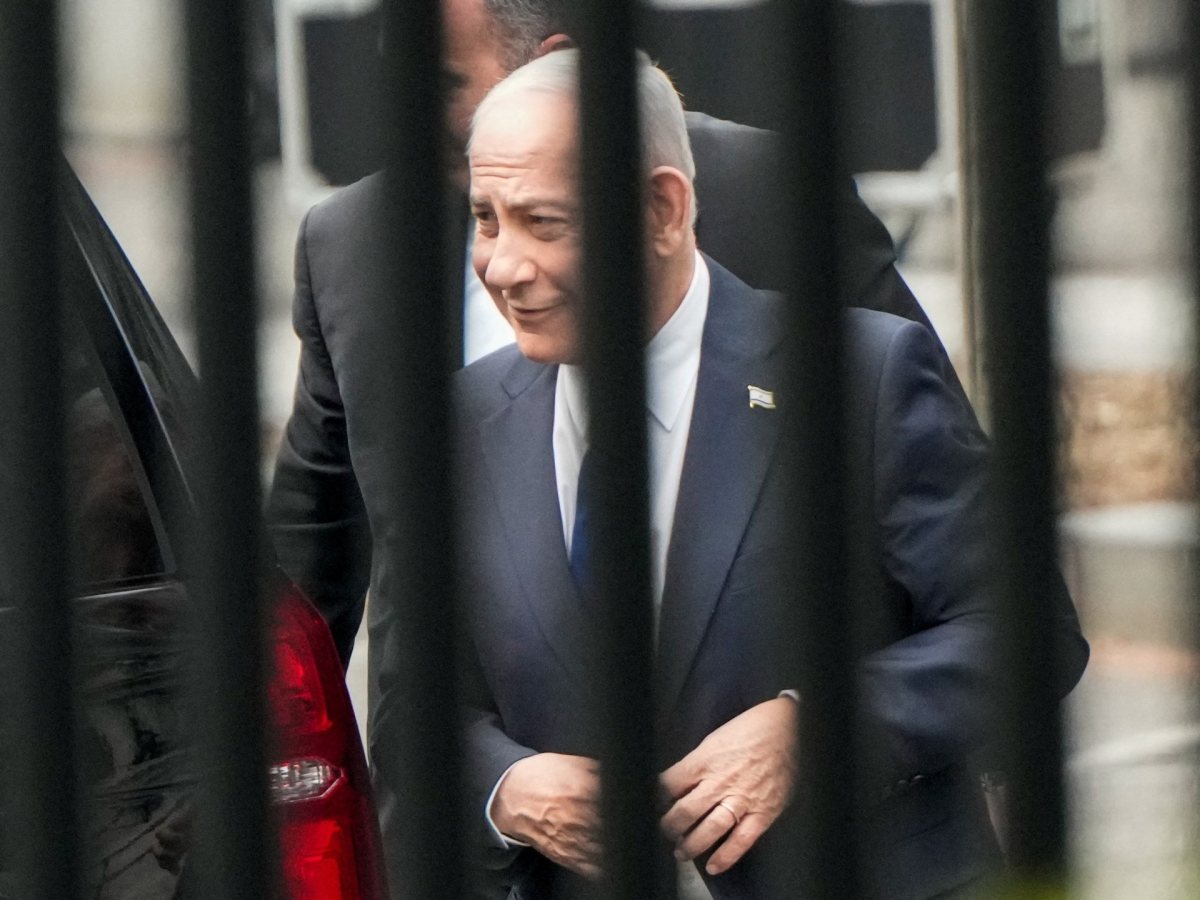
Judges hearing Benjamin Netanyahu's long-running corruption trial have recommended that prosecutors drop the most serious case against the Israeli leader, according to Al Jazeera, a development that hands him a boost as he fights to hold on to power.
The judges, who cannot withdraw charges themselves, advised Attorney General Gali Baharav-Miara on Wednesday to abandon Case 4000. They said the chances of a conviction were low, especially on the bribery allegations.
They also questioned whether the conduct alleged in Case 2000 amounted to a criminal offence and asked that it be reconsidered. On Case 1000, they suggested that the prosecution and defence seek an agreement to end the proceedings, although a verdict remained possible.
Three cases since 2020
Netanyahu has faced charges of bribery, fraud and breach of trust since proceedings began in 2020. Much of the evidence centres on alleged efforts to secure favourable media coverage for himself and his wife, Sara.
- Case 1000 concerns allegations that the couple received gifts and payments in exchange for political favours.
- Case 2000 involves an alleged deal with the daily Yedioth Ahronoth to curb its rival, Israel Hayom, through legislation in return for positive coverage.
- Case 4000 relates to alleged favours to telecommunications firm Bezeq in exchange for flattering coverage on a news site owned by the company's chair.
Barak Medina, a legal scholar at the Hebrew University of Jerusalem, told Al Jazeera the intervention was unprecedented because the judges spoke before the prosecution had presented its arguments.
Attorney general signals openness
Baharav-Miara, a longstanding opponent of Netanyahu, said every statement and proposal raised by the court would be considered, and that her office remained open to a deal of the kind his lawyers had earlier proposed.
She was among the fiercest critics of Netanyahu's 2023 attempt to overhaul the judiciary and has since challenged several government decisions, including efforts to dismiss Shin Bet security agency head Ronen Bar. The cabinet voted unanimously to sack her in August 2025, but the Supreme Court overturned the decision.
Coalition battle
Netanyahu has served as caretaker prime minister since October's election, while his rival Gadi Eisenkot attempts to build a governing coalition.
In a defiant speech after the recommendations, Netanyahu called for an end to the trial and to opposition parties' refusal to work with him. "The boycotts must end, and now," he said, urging national unity in the face of what he described as enormous dangers facing Israel.
No major opposition figure had commented on the judges' advice at the time of reporting.
Roi Zur, an Israeli academic at the University of Essex, told Al Jazeera the bigger obstacle to partnering with Netanyahu was his role in the October 7 attacks and the war that followed, not the trial. He said Naftali Bennett remained open to a coalition, while Eisenkot, Avigdor Lieberman and Yair Golan still appeared opposed.
Accusations of evading prosecution
Critics have long accused Netanyahu of shaping policy to derail his trial, including claims that he prolonged the war on Gaza for political survival. In 2023, former attorney general Avichai Mandelblit accused him of pursuing the judicial overhaul to end the case improperly.
In 2024, then-defence minister Yoav Gallant urged him to put national priorities before personal interests, Benny Gantz accused him of obstructing a captive-release deal, and then-US President Joe Biden said there was reason to believe he was prolonging the war for political gain.
Netanyahu has described the proceedings as causing years of suffering for his family. He would not be the first Israeli leader convicted of corruption: former prime minister Ehud Olmert was convicted of bribery and breach of trust in 2014 and served 16 months in prison.
This story was prepared by the Hamasta Newsdesk with AI assistance, based on reporting by Al Jazeera. Read the original report. Photo: Al Jazeera.
Every moment, captured beautifully.
Events, corporate portraits, products and editorial shoots by our newsroom photographers.






More in International
See all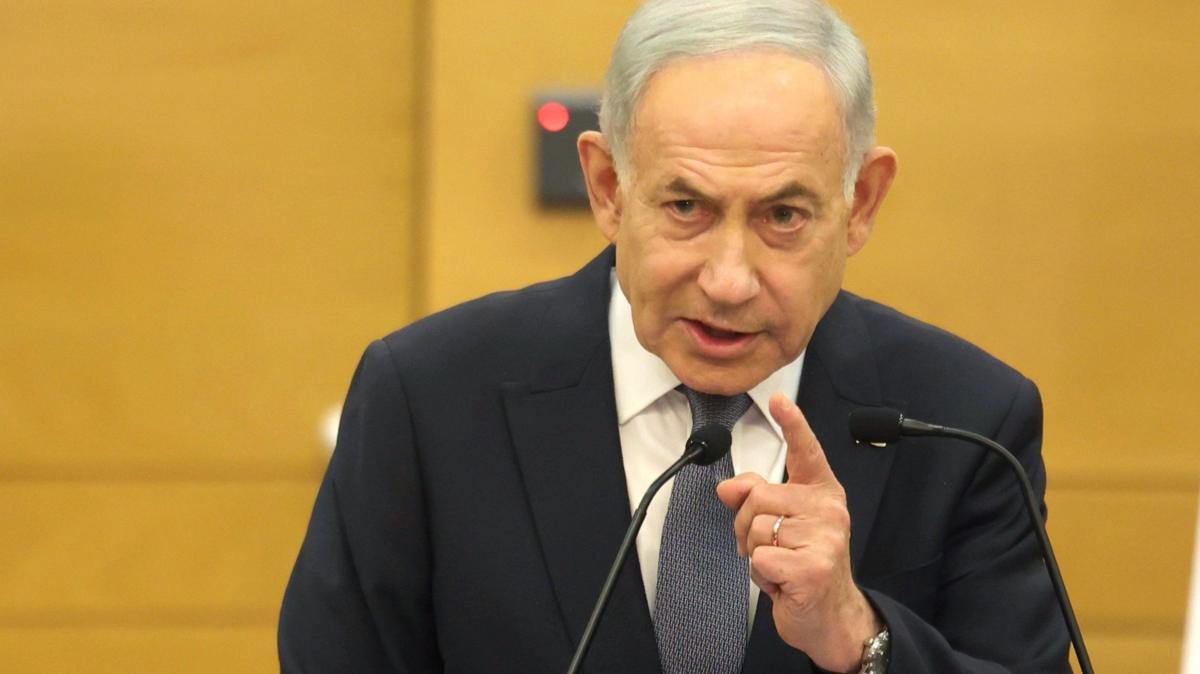
Israeli judges urge prosecutors to drop bribery charges against Netanyahu
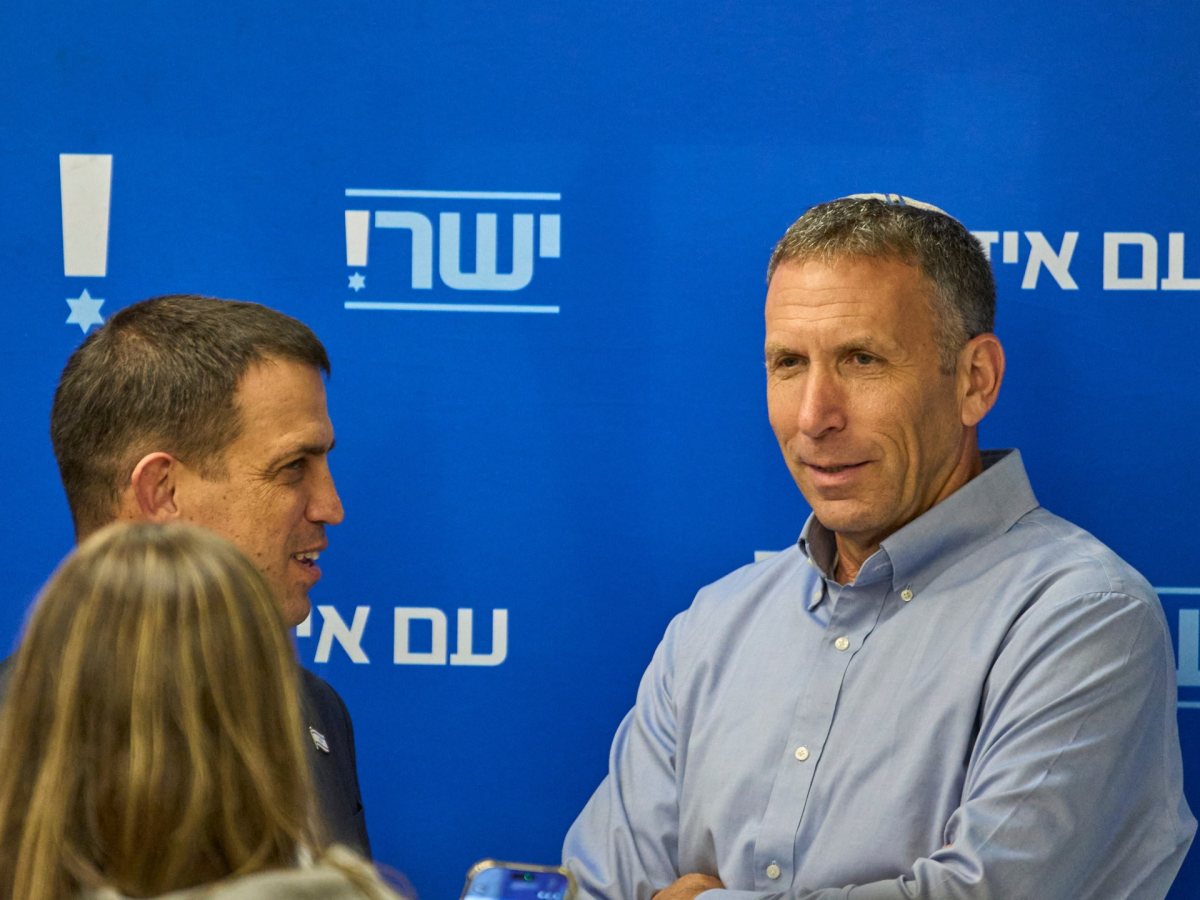
Eisenkot ally Matan Kahana elected Israel's Knesset speaker, defeating Netanyahu pick
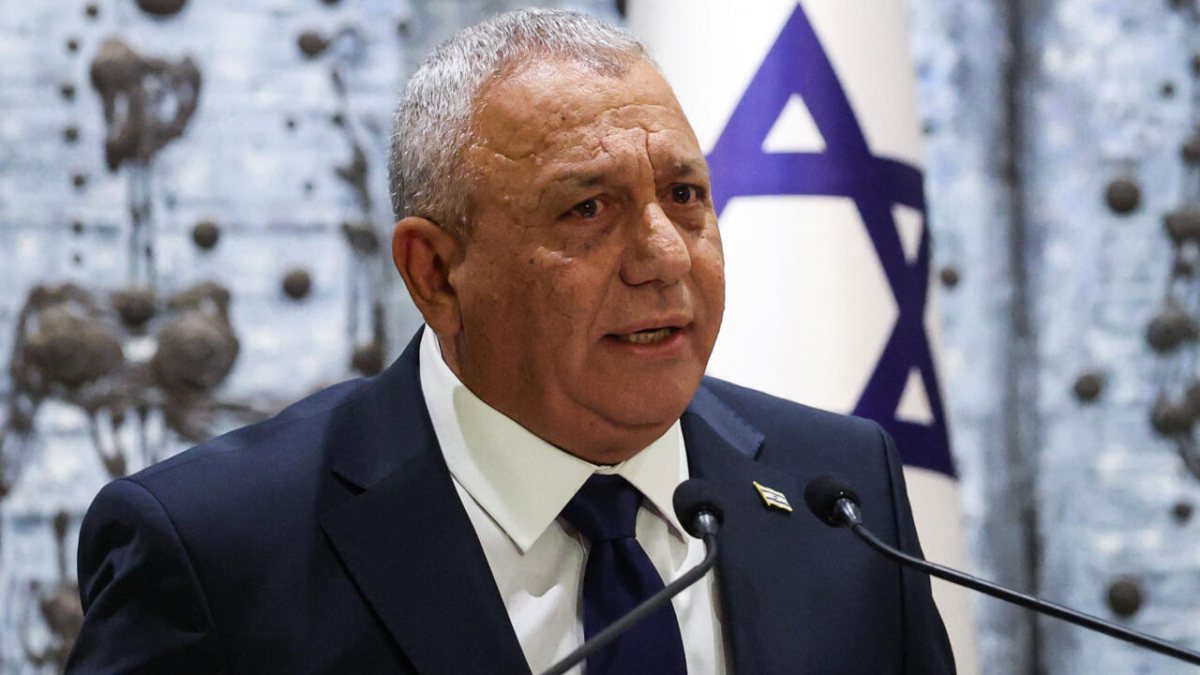
Eisenkot invites Netanyahu's Likud to 'marathon' Israeli coalition talks

RSF urges French regulator to suspend CNews for a month over pluralism
Spain snap election: Viral vote-rigging claims fall apart under scrutiny
Global Community Remarks
0