
New Zealand's ruling coalition falls one seat short of majority after final count
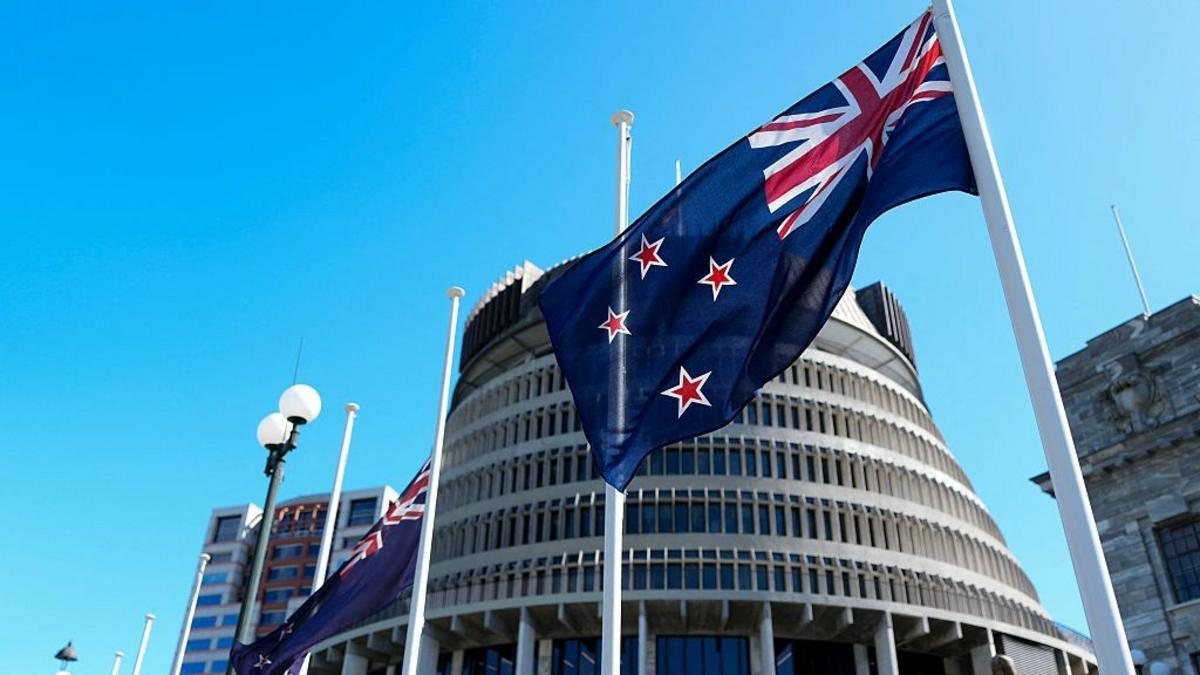
New Zealand's governing coalition has come up one seat short of a parliamentary majority, official election results released on Friday show. The outcome leaves Prime Minister Christopher Luxon dependent on a small centrist party to remain in office.
According to BBC News World, the right-leaning bloc led by Luxon's National Party must now secure the backing of the Opportunity Party. If no agreement is reached, New Zealanders may be asked to vote again.
How the seats fell
National won 40 of the 130 seats in parliament. Its coalition partners, ACT and New Zealand First, took 13 and 12 seats respectively. Together that gives the bloc 65 seats, one fewer than the 66 needed for an outright majority.
On the other side, the centre-left Labour Party won 36 seats, the Greens 17 and Te Pāti Māori, which represents Māori interests, five. The official results show that a Labour-led government is not possible, because the left-leaning bloc would still lack enough seats even with Opportunity's support.
Opportunity won seven seats and has been described as the kingmaker of this election. Its leader, Qiulae Wong, has previously said she would hold talks first with whichever party won the most seats. That party is National.
Special votes shift the balance
Preliminary results on election day, 7 November, had suggested that National and its partners held a narrow lead over the left-leaning parties.
The final count changed that picture. The governing bloc lost two seats once special votes were tallied, BBC News World reported. These are ballots cast by citizens who were abroad or outside their registered electorate on polling day, and they usually lean to the left.
Competing promises
National campaigned on lower taxes, cheaper energy, more renewable power generation and a stronger focus on defence.
Labour pledged to bring down the cost of healthcare, public transport and fuel. It also promised more government support for social housing.
New Zealand uses a mixed-member proportional voting system, so coalition governments are the norm. Each voter casts two votes: one for a local constituency representative and one for a political party.
A weary electorate
The campaign played out against a sluggish economy and widespread voter disillusionment. Voters who spoke to BBC News World before the election described frustration with the rising cost of living, high unemployment and falling confidence in their political leaders.
"There's this kind of apathy and a bit of dread," 21-year-old voter Imogen Vlutger told BBC News World.
One 40-year-old man said he did not vote at all because he could not bring himself to choose any option on the ballot paper.
A survey by the Helen Clark Foundation, a public policy think tank, found that more than half of New Zealanders no longer view their country as a land of opportunity.
New Zealanders have also been leaving the country in record numbers, according to the BBC report. Many have moved to neighbouring Australia, among them former prime minister Jacinda Ardern.
What comes next
Attention now turns to talks between National and Opportunity. The result of those negotiations will decide whether Luxon's coalition continues in office or whether the country returns to the polls.
This story was prepared by the Hamasta Newsdesk with AI assistance, based on reporting by BBC News World. Read the original report. Photo: BBC News World.




Know what people say about you.
Media monitoring, audience insights and strategic communication for your brand.


More in International
See all
Netanyahu trial judges urge prosecutors to drop most serious corruption case

RSF urges French regulator to suspend CNews for a month over pluralism

Spain snap election: Viral vote-rigging claims fall apart under scrutiny

AFP hit by cyberattack, takes client content platform AFP Forum offline
Sheikh Hasina sets 16 December return date, putting Bangladesh and India on edge

Global Community Remarks
0