
Winter rains flood Gaza tents as aid limits leave displaced families exposed
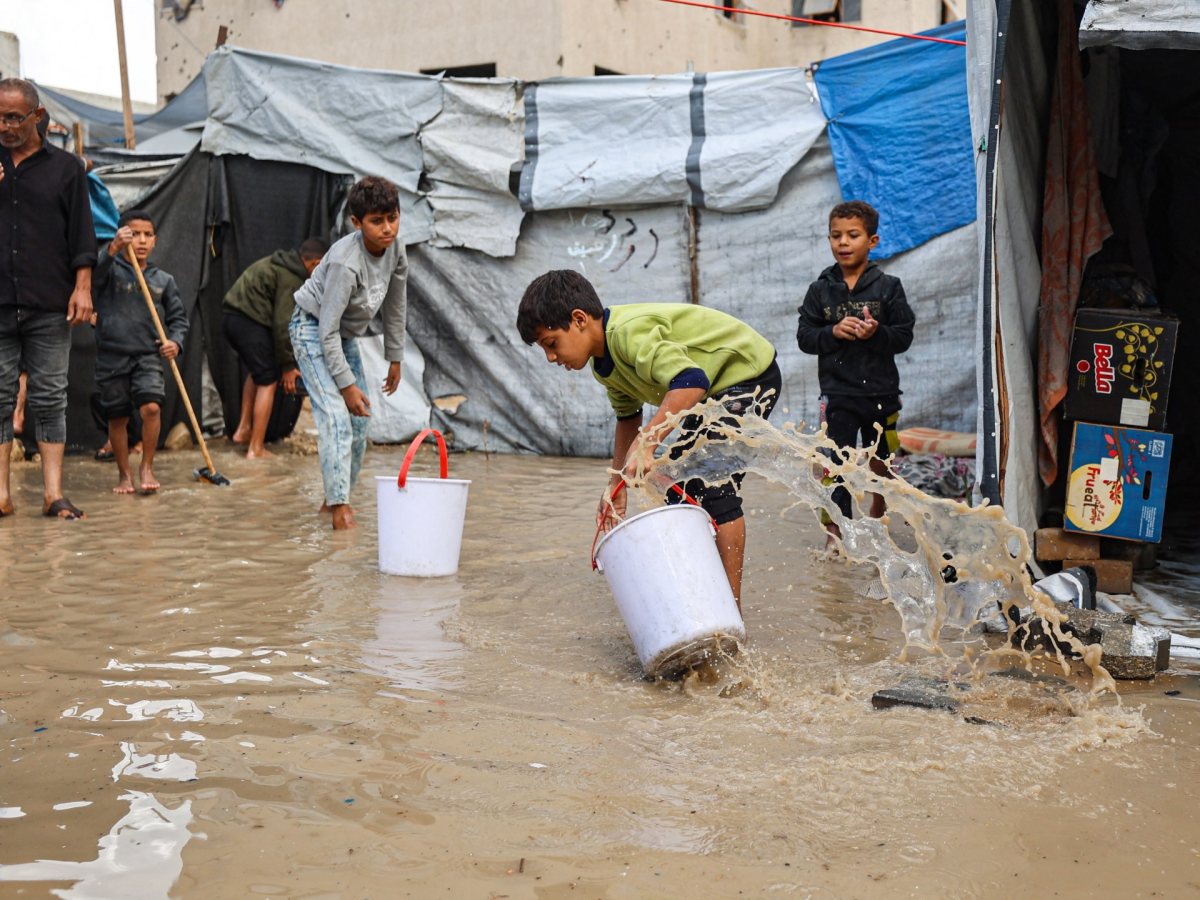
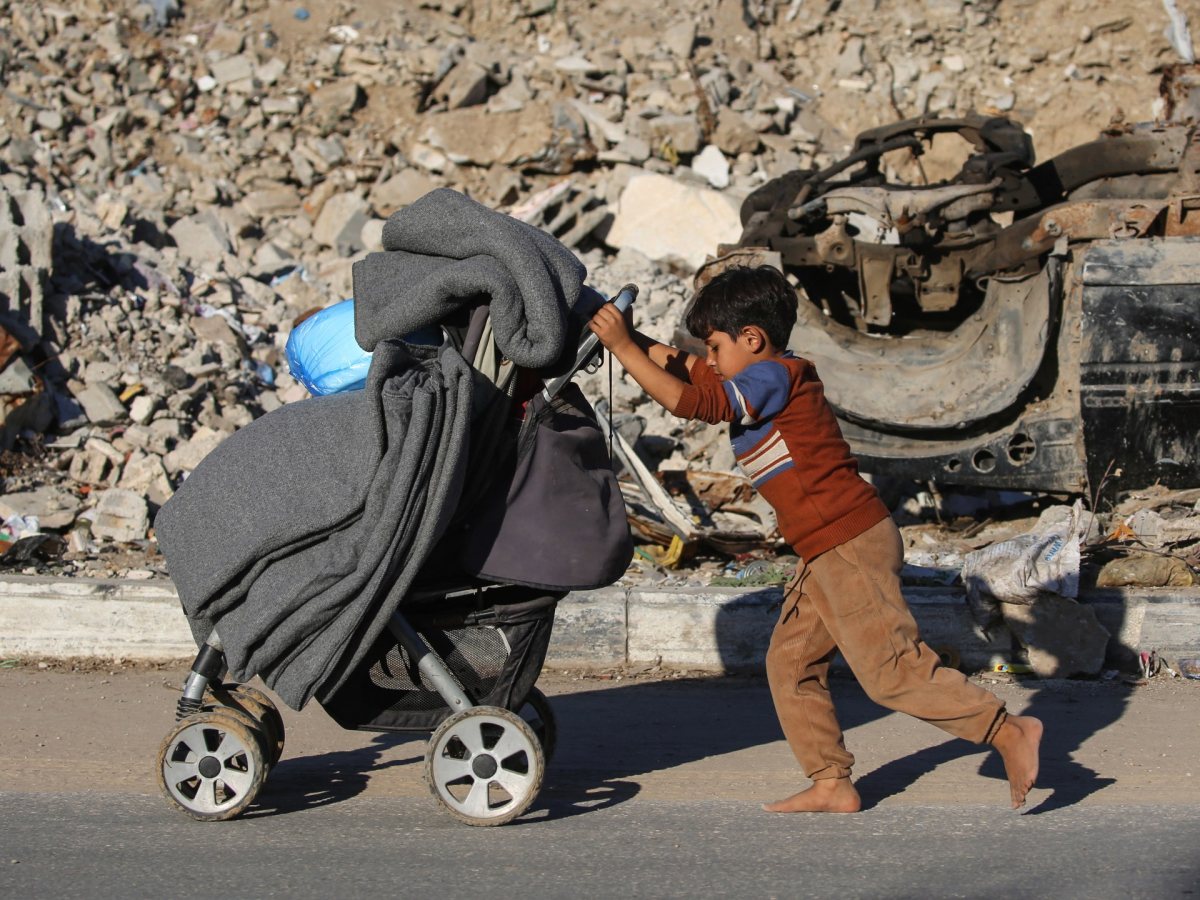
Winter storms are again forcing displaced Palestinians in Gaza to move. Flooded tents, unstable buildings and limits on aid have left families with few safe places to go, according to a report by Al Jazeera.
A storm that began on the evening of November 6 flooded about 70,000 tents within 12 hours, according to Gaza's Government Media Office. Preliminary UN estimates suggest about 226,000 people were affected. More than 5,000 households were left sleeping without shelter, and about 600 households had to relocate.
Deaths in the storms
On November 8, a sand embankment collapsed onto tents at a displacement camp south of Deir el-Balah, killing five people, including children. The UN Office for the Coordination of Humanitarian Affairs (OCHA) reported that an infant drowned during the same storm. A nine-month-old baby died of hypothermia on November 13.
About 1.36 million Palestinians, 65 percent of Gaza's population, are living in tents and makeshift shelters, according to OCHA.
Jaber al-Kaseeh, who fled Beit Lahiya in northern Gaza, told Al Jazeera that water rushed into his tent in az-Zawayda, soaking mattresses and spoiling food. He said his camp had flooded three or four times last winter, driving many neighbours away.
Warnings of worse to come
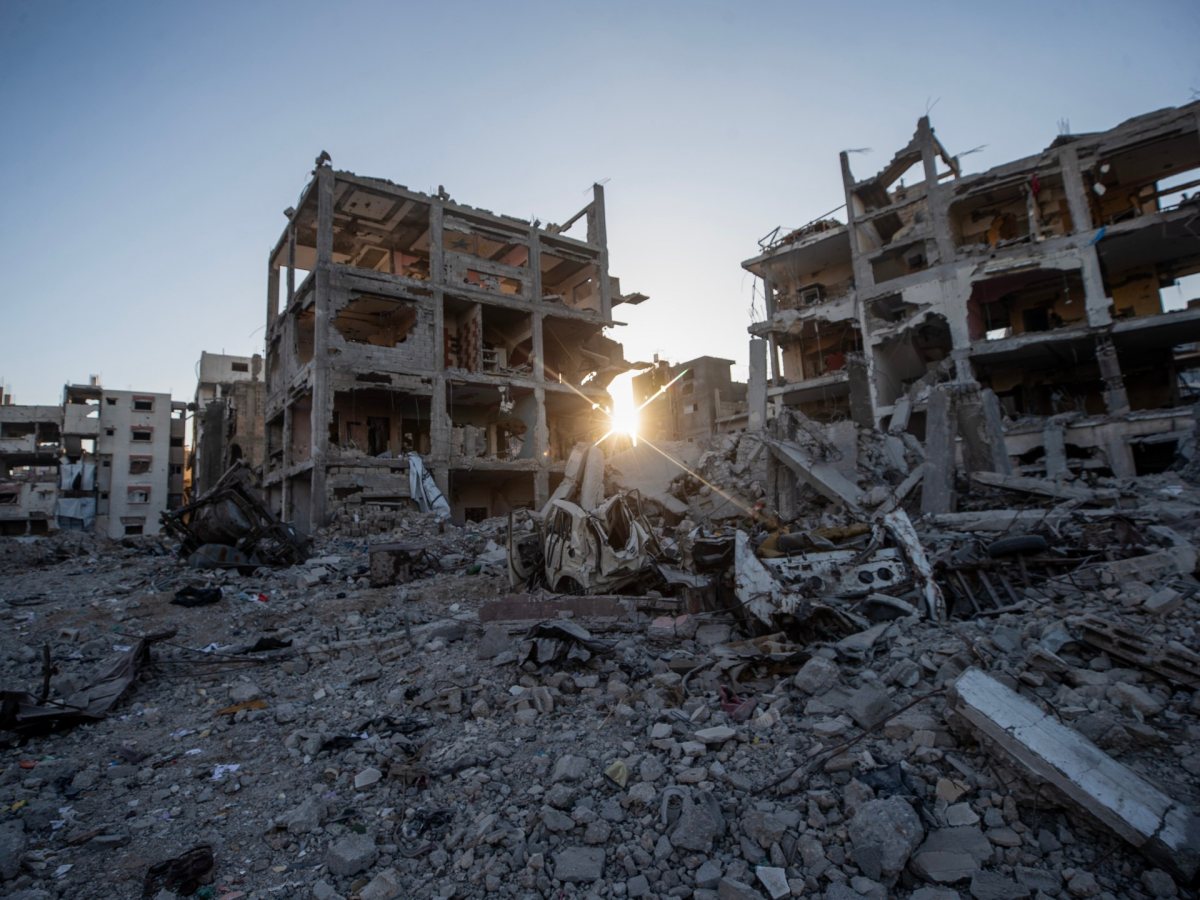
The Union of Gaza Strip Municipalities has warned that about 1,000 camps and shelter sites could flood this winter. The councils say 200,000 worn-out tents need replacing and more than 2,000 damaged buildings are at risk of collapse.
The International Organization for Migration (IOM) and the World Food Programme said on November 17 that Gaza's population had been confined to less than 40 percent of the territory, and that more than half of its 1,700 displacement sites were on flood-prone land.
Israeli Defence Minister Israel Katz, of the caretaker government, has threatened a new offensive that would move one million Palestinians south if Hamas does not disarm, though he did not issue an evacuation order.
Damaged homes offer little protection. UN satellite analysis found about 82 percent of Gaza's structures had been damaged or destroyed by mid-June. In Nuseirat, Nasser al-Hajj said he moved his children to a neighbour's home as debris fell from his ceiling. "Rent is expensive, and a tent is not safe either," he told Al Jazeera.
Broken drains and disease
Gaza City municipal spokesperson Hosni Muhanna said eight pumping stations and three main rainwater basins were out of service when the first storm hit. Even at best, he said, the remaining network could handle no more than a fifth of the rainwater.
Gaza's civil defence said it received 2,166 distress calls on November 7 but could send crews to only 218.
The World Health Organization recorded 692 suspected meningitis cases between October 1 and November 23, mostly among babies under one year old. Gaza's Ministry of Health issued an epidemic alert on November 24.
Tents waiting at the border
The UN said on November 13 that more than 150,000 tents bought by aid groups and governments were waiting outside Gaza, most in Egypt's El Arish. The European Commission said Israel had not allowed them, or the equipment to put them up, to enter. Israel also classifies some shelter supplies as "dual-use".
COGAT, the Israeli military body that coordinates aid, said nearly 100,000 tents had entered Gaza under its winter programme, with more than 67,000 tents and other supplies approved but not yet brought in. The Norwegian Refugee Council said shelter agencies inside Gaza had fewer than 6,500 tents in stock.
The council said basic winter supplies for a family of six can cost more than $6,000 inside Gaza, against about $700 when bought abroad. Donors have funded only 35 percent of the $283m needed for the minimum winter shelter response.
COGAT said it had approved pumps, generators and partial sewage repairs, but did not say the equipment had arrived. It has said reconstruction equipment will enter only after Hamas fully disarms.
Om Hani Hamouda, whose family has been displaced about 15 times, told Al Jazeera that even a simple caravan would be better than a tent.
This story was prepared by the Hamasta Newsdesk with AI assistance, based on reporting by Al Jazeera. Read the original report. Photo: Al Jazeera.

Tell your story on screen.
Commercials, documentaries, interviews and social video, from script to final cut.





More in International
See all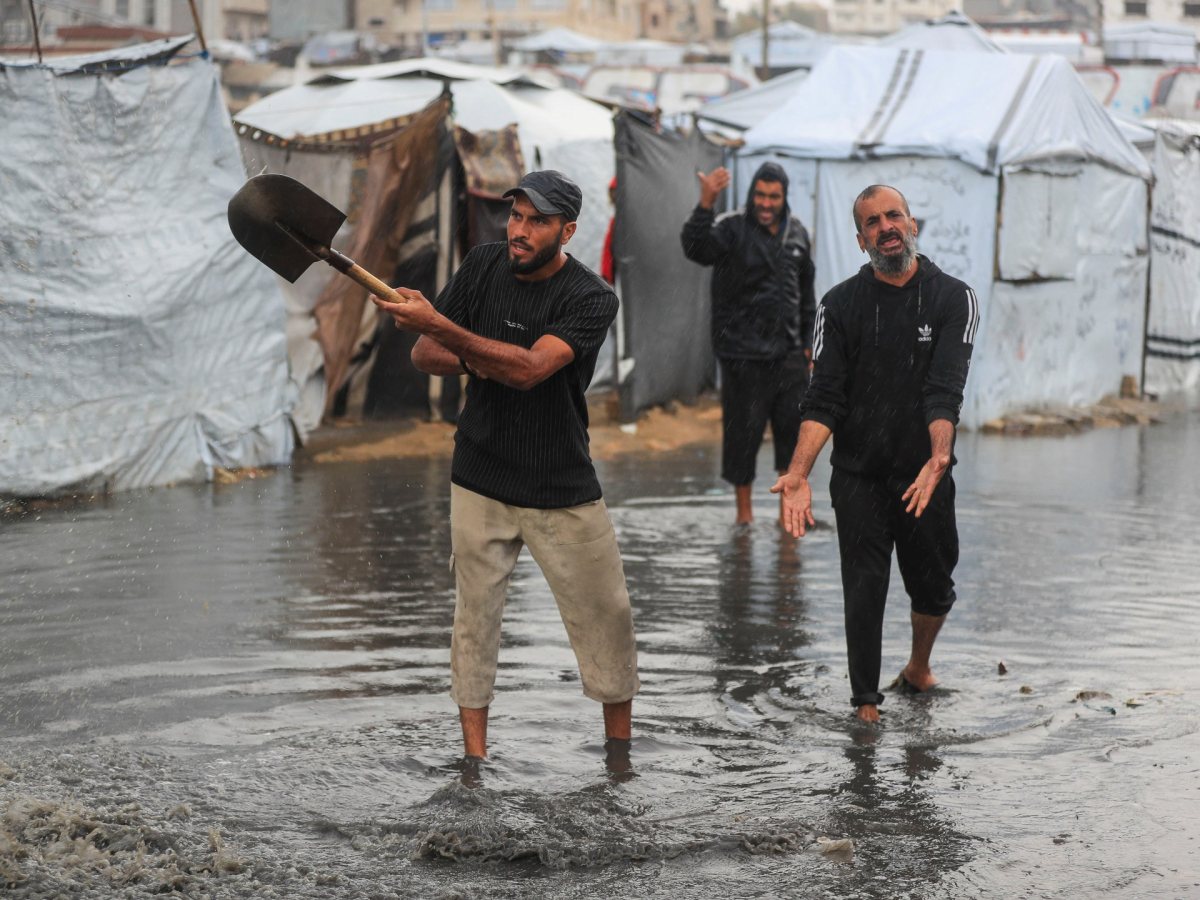
Gaza councils warn winter rains could flood 1,000 displacement sites
Darfur families displaced to Khartoum brace for cold winter as Sudan aid dries up
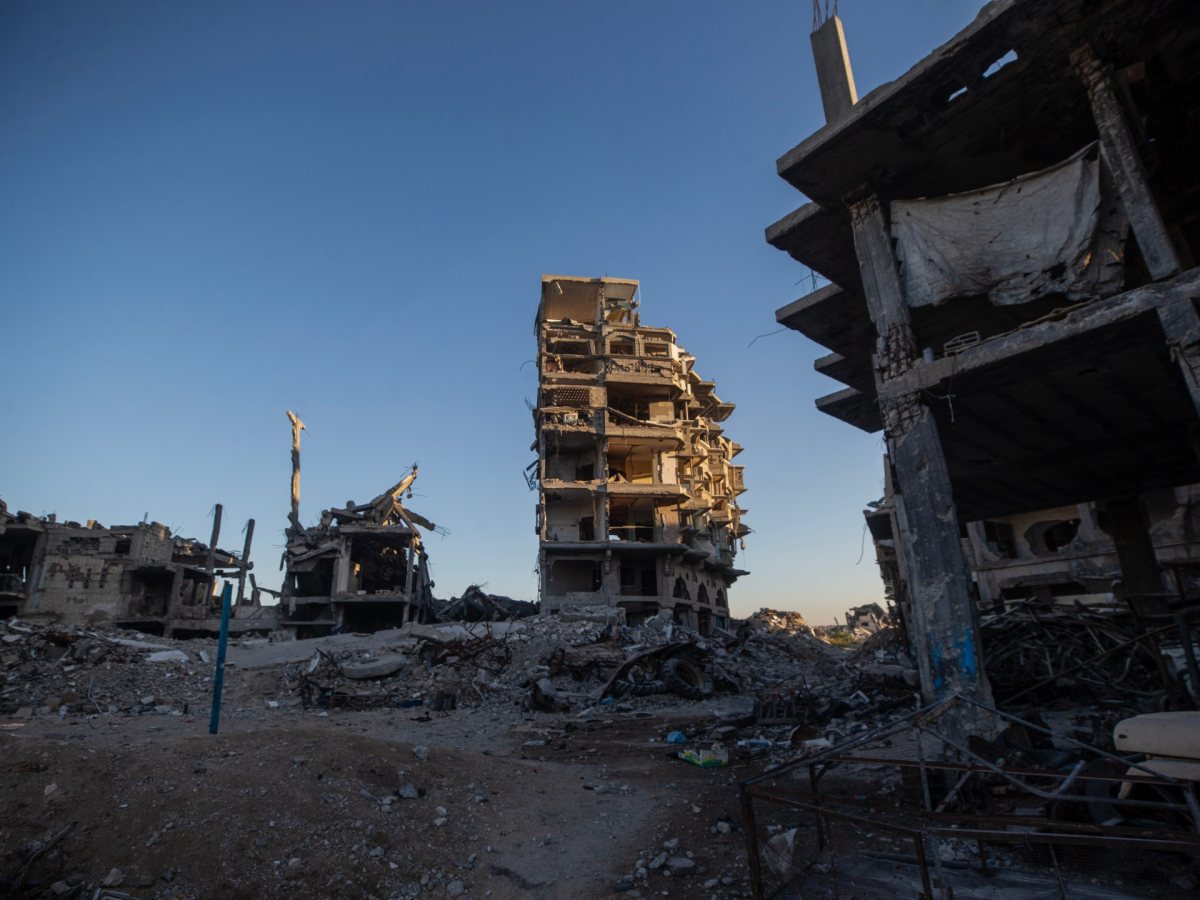
Displaced Gazans protest as Israeli strikes and demolitions continue near 'Yellow Line'
Thousands displaced again in Gaza's Nuseirat after Israeli ground operation
Israeli-backed Palestinian militias accused of role in central Gaza operation
Global Community Remarks
0