
Sheikh Hasina sets 16 December return date, putting Bangladesh and India on edge
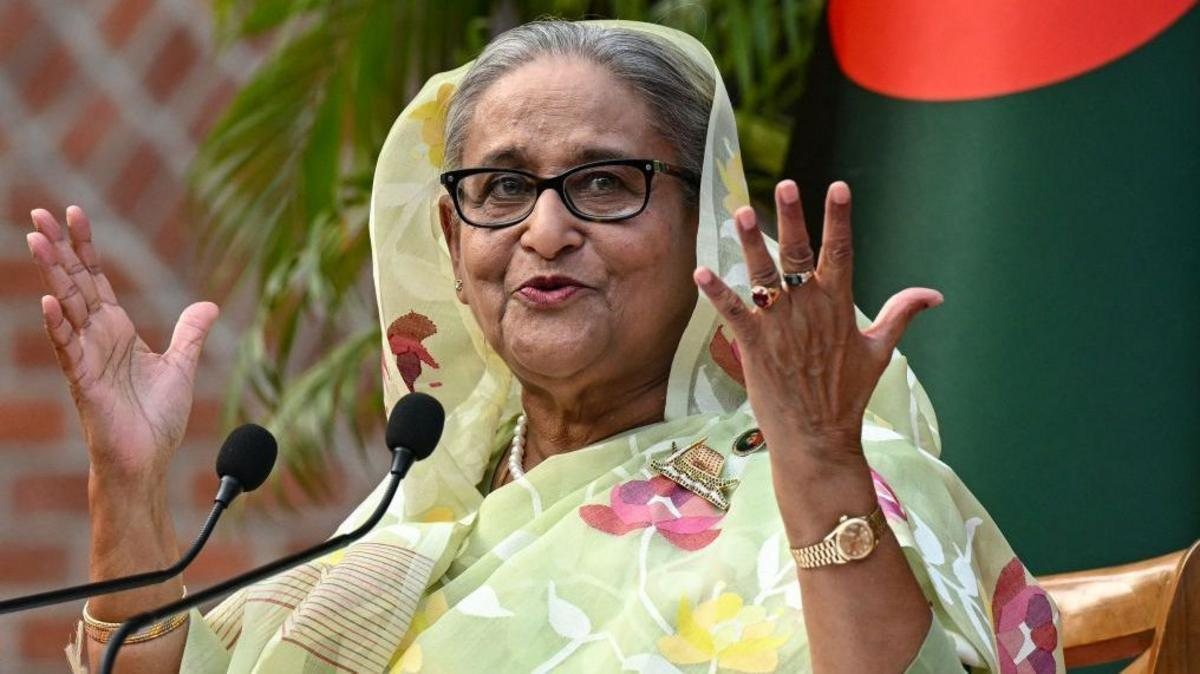
Bangladesh's ousted prime minister Sheikh Hasina has named 16 December as the date she intends to return home from exile in India. The announcement has unsettled the government in Dhaka and placed New Delhi in an awkward diplomatic position, according to BBC News World.
Hasina, 79, fled to the Indian capital in August 2024 after a student-led uprising ended her 15 years in power. She has since been convicted of crimes against humanity over the crackdown on the protests and sentenced to death in a trial held in her absence. The trial raised questions about due process. The United Nations says security forces killed as many as 1,400 people during the uprising.
Her Awami League party is banned in Bangladesh. The government has said she would be arrested on arrival and that the death sentence would be carried out.
A symbolic date and a detailed plan
Her spokesperson said the chosen date is Victory Day, which marks Bangladesh's win over Pakistan in the 1971 liberation war. Observers see the choice as an attempt to reclaim her place in the country's founding story.
Hasina wants the Bangladeshi government to arrange a flight from Delhi. If it does not, she may fly commercially or cross the land border. Abu Obaidha Arin, a senior aide, told BBC News World that supporters had identified nine possible crossing points along the 4,096km frontier the two countries share. He described the plan as serious and carefully prepared.
Dhaka, which had earlier dismissed the idea, is now taking it more seriously but insists she must be extradited. Humaiun Kobir, the state minister for foreign affairs, told reporters: "She can only be brought back in handcuffs."
India's foreign ministry said on Wednesday that the extradition request was being examined through the established process. It added that a voluntary return would be a separate matter.
Party kept alive from exile
Arin said Hasina has held more than 300 audio meetings on Telegram over the past 18 months, reaching party workers in all 64 districts. He claimed the party could mobilise five million people to line her route from the border to Dhaka. BBC News World described this as an ambitious claim, noting that much of the party's leadership is abroad, in jail or in hiding, and that thousands of cases have been filed against its workers.
Even so, supporters have staged increasingly frequent and confrontational flash protests. Several districts have reported bomb attacks, arson and vandalism, though responsibility for some incidents is disputed. Hasina's ancestral district of Gopalganj has been particularly hard for authorities to control, with a police station set on fire on 17 November.
Data from the conflict monitor Acled shows Awami League supporters staged 40 demonstrations and more than 140 riots up to 23 November. At least 11 people, including two civilians, have been killed in political violence this month, six of them directly linked to the unrest.
Shafiqul Alam, a newspaper editor and former press secretary to the interim government led by Muhammad Yunus, told the BBC the party was exploiting divisions between the governing Bangladesh Nationalist Party (BNP), Jamaat-e-Islami and the youth-led National Citizen Party over constitutional reforms.
Strain on Dhaka-Delhi relations
Relations between the neighbours remain cool. Prime Minister Tarique Rahman, in office since February, has yet to visit India. A trip reportedly planned for August was set back by a press conference Hasina held in Delhi.
Avinash Paliwal of SOAS University of London said India appears disillusioned after its outreach to Dhaka failed, and may see little reason to restrain Hasina. He argued that the least damaging outcome for India would be Hasina returning to face a fresh trial, with the Awami League rehabilitated under new leadership.
Acled's South Asia analyst, Pearl Pandya, said Hasina is unlikely to return given the death sentence, but that her statements have energised her supporters. A Dhaka-based foreign-policy expert warned that December could be chaotic, and that the return could be postponed again.
This story was prepared by the Hamasta Newsdesk with AI assistance, based on reporting by BBC News World. Read the original report. Photo: BBC News World.


Take your event live to thousands.
Multi-camera live streams, panel discussions and digital broadcasts with professional crews.




More in International
See all
AFP hit by cyberattack, takes client content platform AFP Forum offline
Winter rains flood Gaza tents as aid limits leave displaced families exposed

Argentina bars Central Bank from printing money to finance state spending
Albania's 'Flamingo Revolution': young protesters choose to stay and demand change
Mexico seeks talks with US over suspected SpaceX rocket debris near border
Global Community Remarks
0