
Albania's 'Flamingo Revolution': young protesters choose to stay and demand change
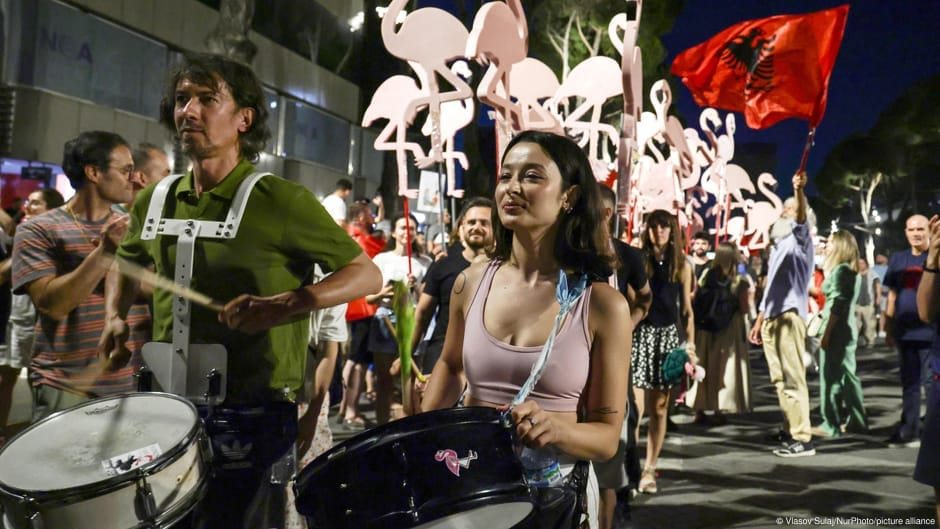
A youth-led protest movement known as the "Flamingo Revolution" has shaken the government of Albanian Prime Minister Edi Rama. Young people who might once have emigrated are now staying at home to demand political change, according to an analysis published by DW News.
The protesters are calling for Rama's resignation, a transitional government, electoral reform and fresh elections. The movement has no formal leader and draws support from across the political spectrum.
From a beach resort to a national movement
The protests began in May with demonstrations against a planned luxury resort in a coastal reserve. Ivanka Trump, daughter of US President Donald Trump, and her husband Jared Kushner were involved in the project. The anger soon widened into criticism of corruption, Rama's ruling Socialist Party and the country's wider political class.
For four months, thousands of people marched almost every evening, and the demonstrations were largely peaceful. That changed on October 13, when a student protest turned into clashes with police. Since then, police have used tear gas, water cannons and rubber bullets. There have been hundreds of arrests and many injuries, and public and private property has been damaged.
In mid-October, students in Tirana set fire to a suitcase and threw it into the courtyard of the Education Ministry. The gesture pointed to emigration. Albania's 2023 census found that the population fell by about 420,000 between 2011 and 2023, or nearly 15 per cent, mainly because people left the country.
Rama rejects calls to quit
Rama has refused to step down. He has said governments should be changed at the ballot box rather than on the streets. He has also blamed "foreign hands" for the unrest. However, the analysis found little evidence that outside actors are organising the protests, although some may have tried to exploit them online.
The prime minister has invited protesters to talk, but they have so far refused. He has also warned that his resignation would put at risk Albania's goal of joining the European Union by 2030. Most Albanians support EU membership, including the protesters, and many of them see Rama's government as the main obstacle to that goal.
A closed political system
Since 2008, after a constitutional and electoral reform worked out by Rama and opposition Democratic Party leader Sali Berisha, party leaders have decided who enters parliament. Critics say this has weakened the link between lawmakers and voters and made it harder for new parties to win seats. In 2025, one new party won about 64,000 votes but only a single seat. The Socialists won roughly one seat for every 10,000 votes.
For 21 years, Albania's prime minister has been either Rama or Berisha. Protesters have said they want both men jailed. Freedom House rates the country as "partly free".
The Organization for Security and Co-operation in Europe (OSCE) described the 2025 parliamentary elections as competitive and professionally managed. It also said contestants did not enjoy a level playing field, and it noted reports of intimidation and misuse of public resources. Turnout was below 45 per cent.
Cost of living and corruption
Recent high-level corruption charges have added to public anger. Those charged include ministers and two of Rama's former deputies. Critics accuse the government of steering public money to well-connected companies, and of selling state land, including coastal and protected areas, to private investors.
The economy has grown and tourism is booming under Rama, who took office in 2013, but the gains are unevenly shared. Figures from Albania's statistics institute show that half of all employees earn less than 60,000 lek, about €620, a month after tax. Eurostat data puts food prices slightly above the EU average. Property prices in Tirana have nearly doubled since 2018, and rents have risen just as fast.
The number of Albanian citizens living in Germany more than doubled between 2018 and 2024, to almost 120,000. It is too early to say whether fewer people are now leaving. But for many protesters, staying in Albania has itself become a political statement. The analysis notes that the movement's future may depend on whether young people, who have traditionally been less engaged in politics, turn their protests into votes.
This story was prepared by the Hamasta Newsdesk with AI assistance, based on reporting by DW News. Read the original report. Photo: DW News.




Know what people say about you.
Media monitoring, audience insights and strategic communication for your brand.


More in International
See all
South African court strikes down Phala Phala panel report, easing Ramaphosa impeachment risk
South African court to rule on Ramaphosa's bid to overturn 'Farmgate' report

Ramaphosa Tells Musk to Remember South Africa; Billionaire Hits Back With Racism Claim
India's Youth Congress protests at Meta offices over withheld Instagram accounts
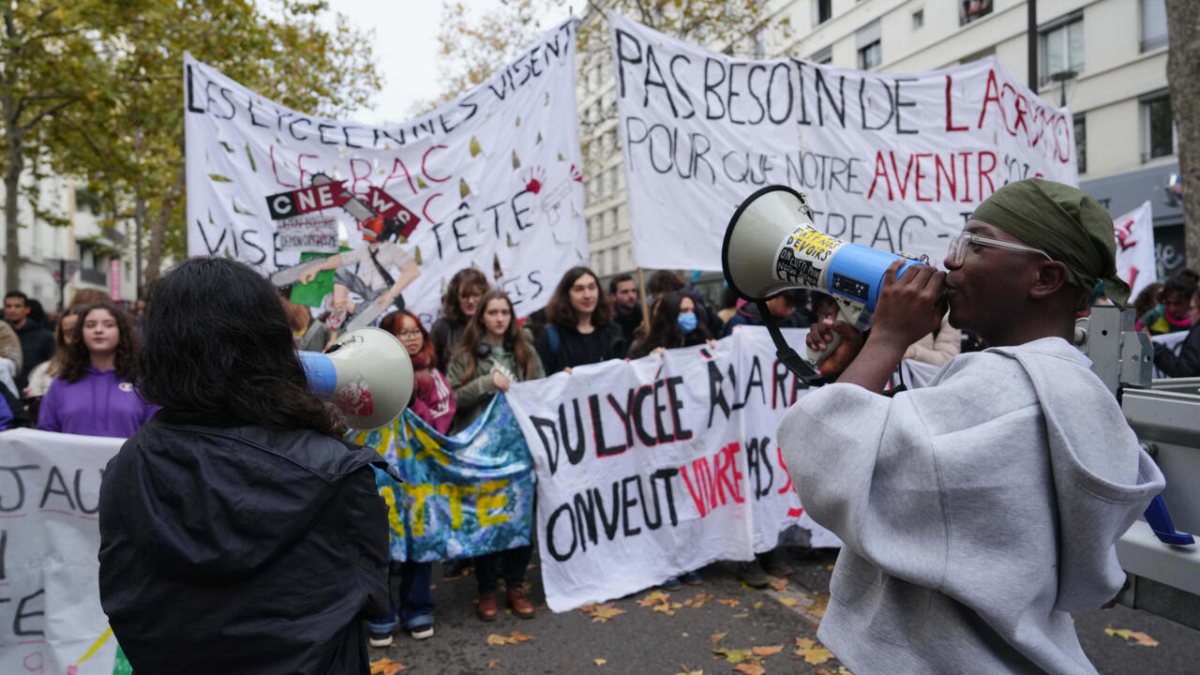
Young Europeans plan coordinated cost-of-living protests across more than 25 countries
Global Community Remarks
0