
Canada's Supreme Court to rule on Quebec ban on religious symbols for public workers
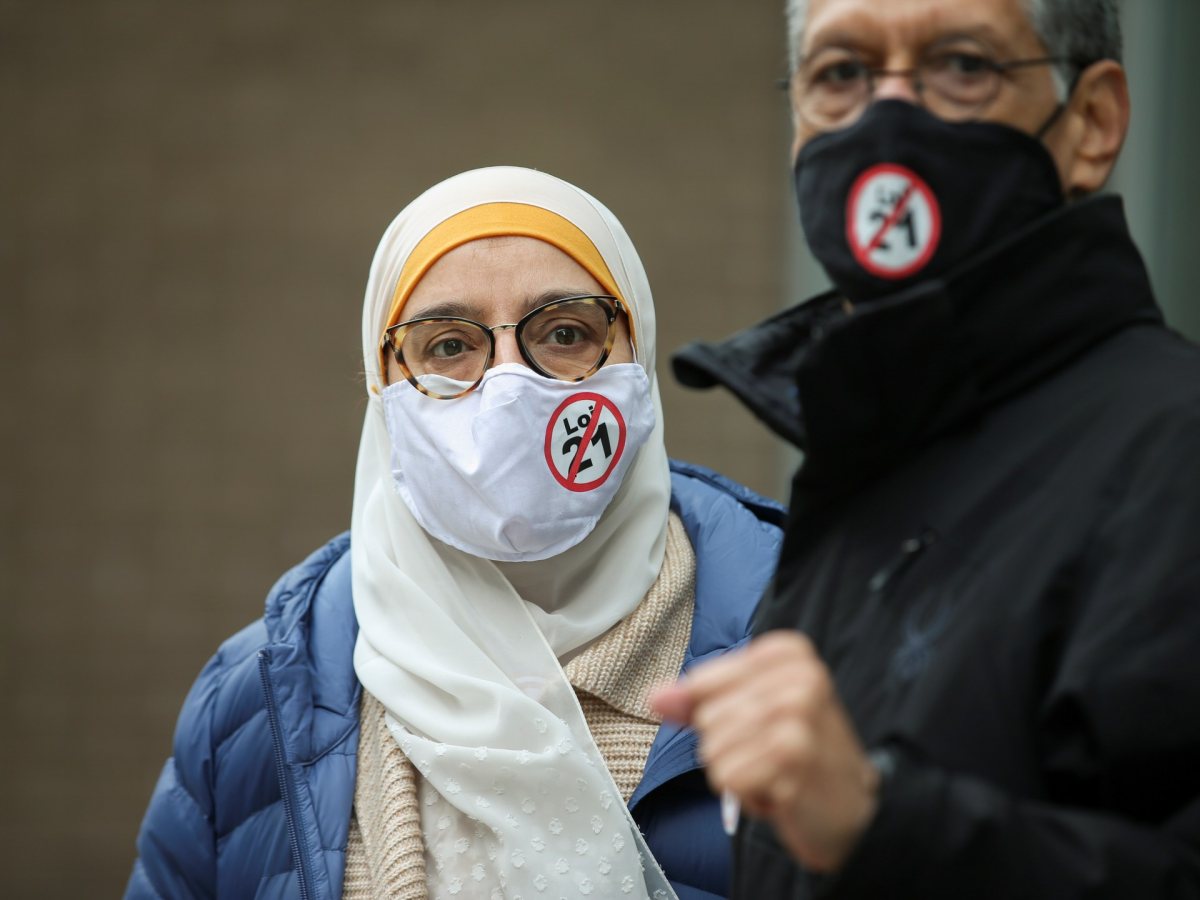
Canada's Supreme Court is due to deliver a ruling on Friday on Bill 21, the Quebec law that bars public school teachers, police officers and certain other public officials from wearing religious symbols while at work, according to Al Jazeera.
The case could also determine how far governments may go in using a Charter provision to protect laws from certain rights challenges. Muslim women say the law has been especially damaging for them.
A mother pushed out of school life
Navien Waly, 45, had volunteered at her children's schools for about ten years. She helped at bake sales and sat on graduation committees. Then she received an email saying parents who wore religious symbols could no longer volunteer.
Waly began wearing the hijab at 40. She told Al Jazeera the email felt like a "slap in the face". She said she found it hard to answer her two younger children when they asked what she had done wrong.
The email followed Bill 94, a 2025 law that widened the original restrictions. Waly had left a career in finance to retrain as a specialised educator and was due to start work next year. She says she cannot now do that job while she continues to wear the hijab.
Waly was born and raised in Canada. She says she has faced more hostile looks and racist remarks in recent years, including strangers telling her to go back home. She has no plans to leave Quebec, where her father, brothers and their children live.
Survey points to wide impact
The National Council of Canadian Muslims (NCCM) and York University researcher Nadia Hasan surveyed 411 Muslim women in 2022 and 2023. Of these, 73 percent said Bill 21 had affected their job search. Some 48 percent believed they had missed out on a job because of their religious identity, and 88 percent said the law had made Quebec a less welcoming place to live.
NCCM chief executive Stephen Brown said some women remove their hijabs on arrival at work and put them back on when they leave. He described the choice the law forces on people as "dehumanising and cruel". He added that many English-speaking Muslims in Quebec have left the province or plan to, but those who speak only French find it harder to move.
Roots in Quebec's secularism debate
Quebec's debate over secularism dates back to the Quiet Revolution of the 1960s, when the province took control of schools and hospitals from the Catholic Church. The later Bouchard-Taylor commission recommended that judges, police and others who exercise the state's coercive power be barred from wearing religious symbols.
Bill 21, passed in 2019 by the Coalition Avenir Quebec government, went further by including public school teachers. Teachers already in post could keep their religious symbols if they did not change jobs or employers. Then-Premier Francois Legault defended the law, saying the majority had felt ignored on the issue. Polling before it passed showed 64 percent support in Quebec.
Brown argues the law was a vote-winning tactic drawing on distrust of organised religion, anti-Muslim sentiment and worries about the future of French-speaking culture.
The restrictions have since grown. Bill 94 covered school support staff and volunteers, required students to keep their faces uncovered and barred prayer on school premises. Bill 9, passed earlier this year, extended the ban to daycare staff, outlawed face coverings at public colleges and universities, and limited prayer on campus. The newly elected Parti Quebecois government has promised to stop elementary pupils from wearing religious symbols.
The legal fight
Quebec shielded Bill 21 using the notwithstanding clause, which allows a law to stand for up to five years, renewable, even if it breaches rights such as freedom of religion and equality. The province renewed it in 2024.
A Quebec court ruled in 2021 that the law infringed rights but upheld most of it because of the clause. The Quebec Court of Appeal confirmed that in 2024 and removed an exemption for English-language school boards. The Supreme Court heard the case in March.
The challengers include the NCCM, the Canadian Civil Liberties Association and the World Sikh Organization. Brown said the clause is meant to be "an extraordinary power of last resort" and should not be used to target citizens' rights for political gain.
Waly says she is not optimistic but still hopes she will not have to start over. Her eldest daughter, she said, is now weighing whether to wear the hijab against the careers she might want.
This story was prepared by the Hamasta Newsdesk with AI assistance, based on reporting by Al Jazeera. Read the original report. Photo: Al Jazeera.



Grow an audience that listens.
Social media management, digital campaigns and online storytelling that converts.



More in International
See all
German report warns religious freedom is worsening worldwide, singles out China

Kenyan Embassy Warns Non-Muslim Kenyans in Saudi Arabia Over Holy Site Restrictions

Canada Targets Foreign Plumbers, Carpenters in New Skilled Worker Recruitment Drive
Canada and China widen tariff relief as Carney and Xi meet at APEC in Shenzhen
Ben-Gvir accused of stoking 'religious war' as Israeli police seize mosque loudspeakers
Global Community Remarks
0