
Germany's BSW rejects motion to limit cooperation with far-right AfD
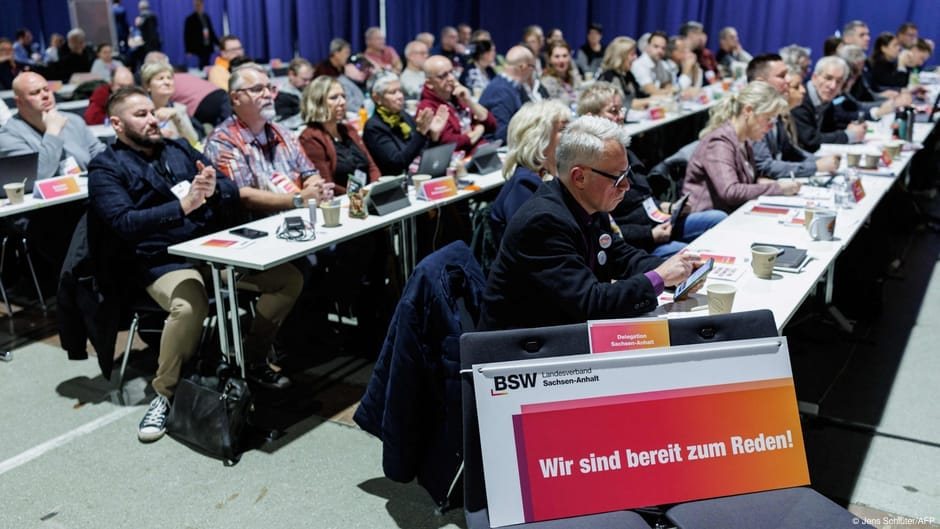
Germany's left-wing populist party, the Alliance for Social Justice and Economic Reason (BSW), has rejected a proposal that would have restricted its cooperation with the far-right Alternative for Germany (AfD), according to DW News.
A majority of the roughly 600 delegates attending the party's conference in the eastern city of Dresden on Saturday voted against the motion. It had been tabled by several of the party's founding members, who wanted a clearer separation from the far right.
A proposal from senior figures
The amendment was backed by executive board members including Christian Leye, Amid Rabieh and Klaus Ernst. It sought to exclude not only coalitions with the AfD but also any formal or de facto tolerance of, or support for, an AfD-led government, as well as long-term cooperation agreements.
Speaking after the vote, Leye questioned when the BSW had ever been a partner of the AfD and described the far-right group as racist, nationalist and troubled in its relationship with democracy. "This party can only be an opponent," he said, according to DW News.
Ernst, a co-founder of the party, had threatened during the conference to quit the BSW if it failed to distance itself clearly from the far right.
The Saxony-Anhalt factor
The debate was triggered by September's state election in Saxony-Anhalt, where the AfD emerged as the largest party with 39 seats, a result widely seen as a major victory for the German far right. In October, the AfD's Tobias Rausch became the country's first far-right state parliament speaker since the Second World War.
Together with the BSW's five seats, the two parties, which sit at opposite ends of the political spectrum, would hold a majority in the 83-seat state legislature.
Party founder Sahra Wagenknecht and party leader Fabio De Masi have promoted what they call the "Magdeburg Model", named after the state capital. Under this approach, the BSW would not enter a formal coalition with the AfD, would not back an AfD candidate for state premier and would not officially tolerate far-right platforms. It does, however, allow for joint motions, joint votes and possibly written agreements with the AfD.
Wagenknecht defends approach
Addressing delegates, Wagenknecht said she did not regard the AfD as a long-term strategic partner and that no one in the party wished to grow close to it. She described the AfD as a contradictory party but argued that the BSW should seize any opening for concrete changes and improvements.
She said the party would decide its course where there were prospects of sensible majorities for peace, social improvements and reform of public broadcasting. She also told members there was no need to lecture one another about the unsavoury figures sometimes found in the AfD or how far its platform is from that of the BSW.
Shared ground on Russia
The two parties overlap on Germany's policy towards the war in Ukraine. Both hold pro-Russia positions, criticise military support for Kyiv and oppose or question sanctions on Russia, arguing that they damage the German economy.
The BSW combines left-wing economic policies with a hard line on migration, and its uncertain relationship with the AfD has fuelled internal debate.
Germany's domestic intelligence agency, the Office for the Protection of the Constitution, has classified the AfD as right-wing extremist.
This story was prepared by the Hamasta Newsdesk with AI assistance, based on reporting by DW News. Read the original report. Photo: DW News.





Show the impact of your work.
Impact stories, campaign videos and community engagement for NGOs and programmes.

More in International
See all
Germany's job market unlikely to recover before summer, says labour agency chief
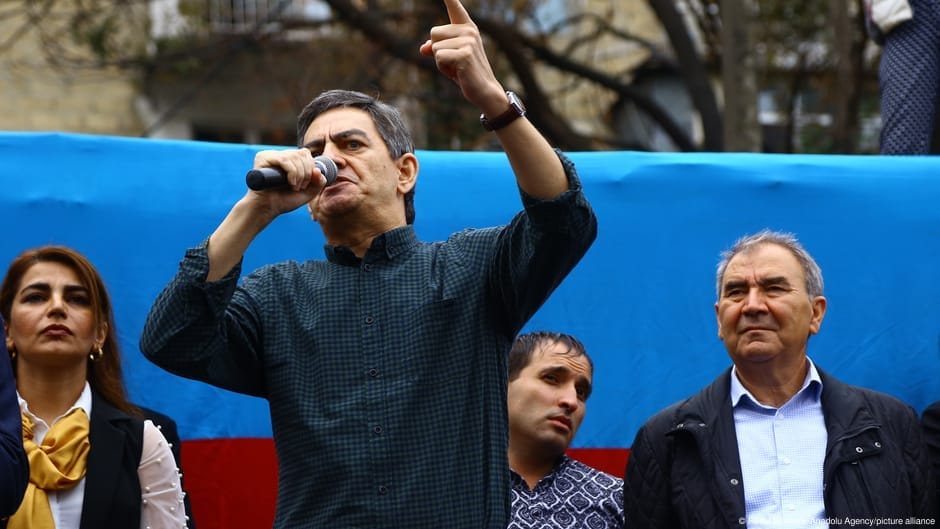
Azerbaijan opposition leader Ali Karimli marks a year in jail as coup trial continues
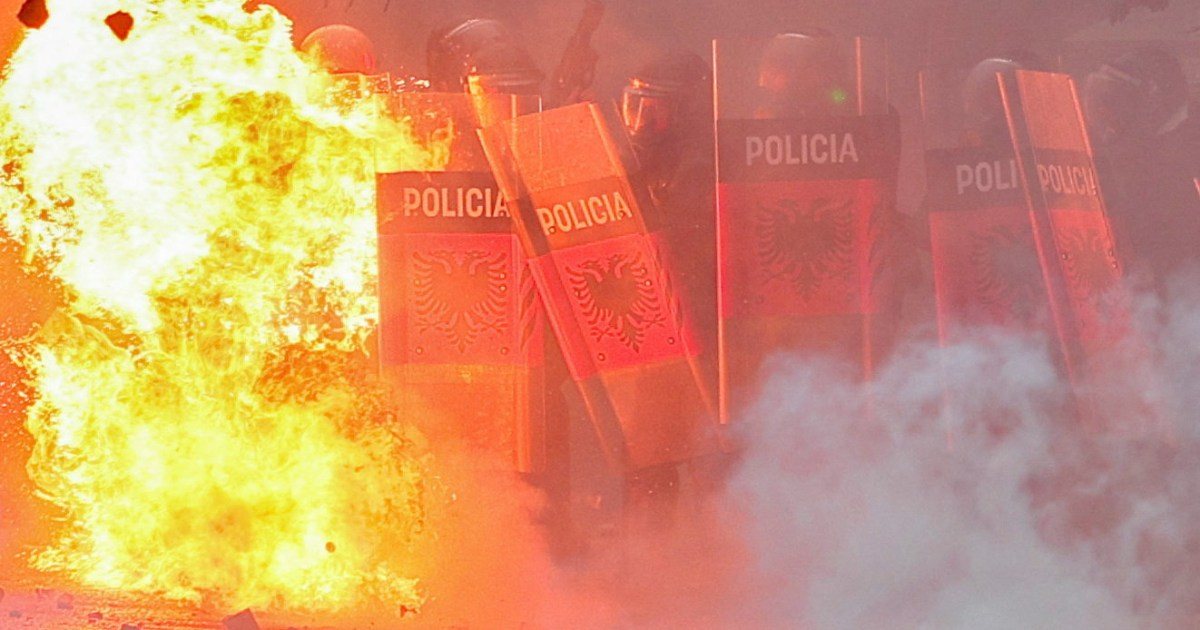
Albania police fire tear gas as thousands protest against PM Edi Rama in Tirana
Saudi coalition downs Houthi cruise missile aimed at Riyadh as Sanaa strikes wound 15

Iran methanol poisonings kill more than 20, leave hundreds sick and some blinded
Global Community Remarks
0