
Iran methanol poisonings kill more than 20, leave hundreds sick and some blinded
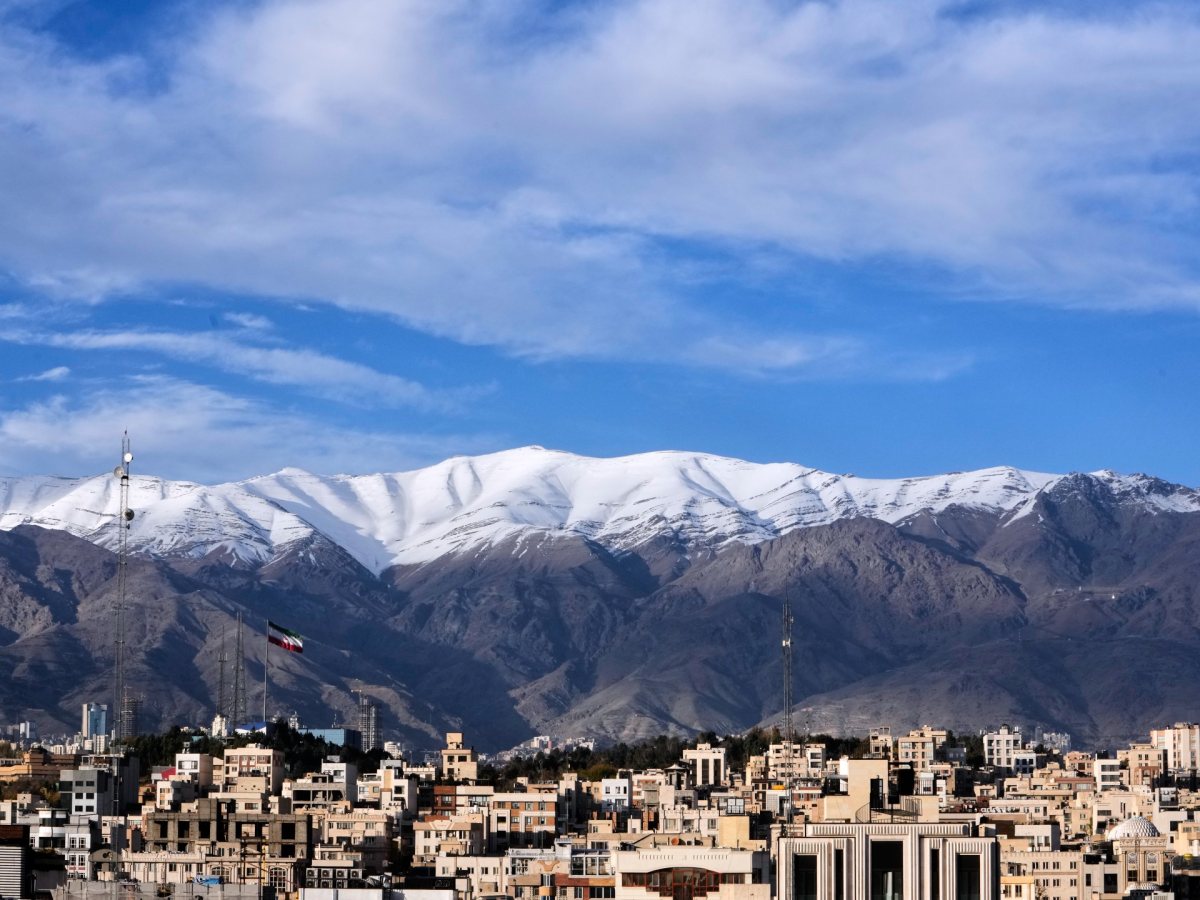
More than 20 people have died and at least 500 others have been poisoned across Iran since mid-November after drinking illegally made alcohol contaminated with methanol, according to Al Jazeera. Some survivors have been left blind.
The first death was recorded on November 16 in Marvdasht, a town in Fars Province in central Iran. By Friday, poisoning cases had been reported in at least four provinces: 230 in Razavi Khorasan, 126 in Hormozgan in the south, 66 in Fars and 15 in West Azerbaijan.
Methanol is a toxic alcohol found in medical disinfectants and wound-care products. It can kill if swallowed.
Arrests and investigation
Police have since moved against bootleg alcohol sellers, and about 10 people had been arrested nationwide by Friday, Al Jazeera reported.
The prosecutor of Razavi Khorasan Province said on Friday that the cases in Razavi Khorasan, Fars and Hormozgan were linked. He said several people had been detained over what he described as a "contaminated alcohol distribution network".
A former Tehran police detective, who spoke to Al Jazeera on condition of anonymity, said investigators must look beyond the sellers to the people producing the drinks if further outbreaks are to be prevented. He said distributors may not know that the alcohol they are selling is tainted.
How the drinks become deadly
According to the former detective, bootleggers commonly buy cheap medical-grade ethanol and blend it with alcohol made from grapes or dates. Some add tea or acorn extracts to change the colour and taste, while others use flavourings meant to mimic whisky or tequila.
He explained that medical alcohol can sometimes contain methanol, either in traces or in larger amounts. When contaminated ethanol is used as a base, the finished drink can become highly toxic, and even the producers may not realise it.
Strict ban, hidden market
Iran outlawed alcohol in 1980, shortly after the Islamic Revolution. Religious minorities such as Christians and Jews can still obtain drinks like wine. For others, buying or selling alcohol can bring a punishment of 80 lashes and prison, and repeat offenders have been executed.
Despite the ban, Iranians say alcohol can be found in major cities. A Ministry of Health mental health survey in 2011 estimated that about 623,000 people, or 830 per 100,000, were dependent on alcohol. A second study from the early 2010s pointed to rising consumption among women and people under 18, although a 2021 ministry study gave a more mixed picture.
Health ministry spokesperson Hossein Kermanpour has repeated official advice that people should avoid alcohol, but urged anyone who drinks and develops unusual symptoms to seek medical help immediately.
The latest outbreak comes two years after four people were executed for distributing contaminated alcohol that killed 17 people and injured 199.
Symptoms mistaken for a hangover
Medical workers told Al Jazeera that delays in seeking treatment are making the poisonings worse.
Dr Shadi Hassanzadeh, a general practitioner in Mashhad, said many patients only realise they are in danger once they develop blurred vision, fading consciousness or seizures. By then, she said, it may be too late to save their sight, adding that drinkers have "no way of detecting its presence".
Maryam, a nurse at an eye hospital in Tehran, said patients are generally not afraid to admit drinking illicit alcohol. Because many Iranians associate industrial alcohol with blindness, eye hospitals are often their first stop.
She said cases tend to rise during weekends and national holidays. In the first 24 hours, the symptoms can look like an ordinary hangover, and serious signs may not appear until about 72 hours after drinking.
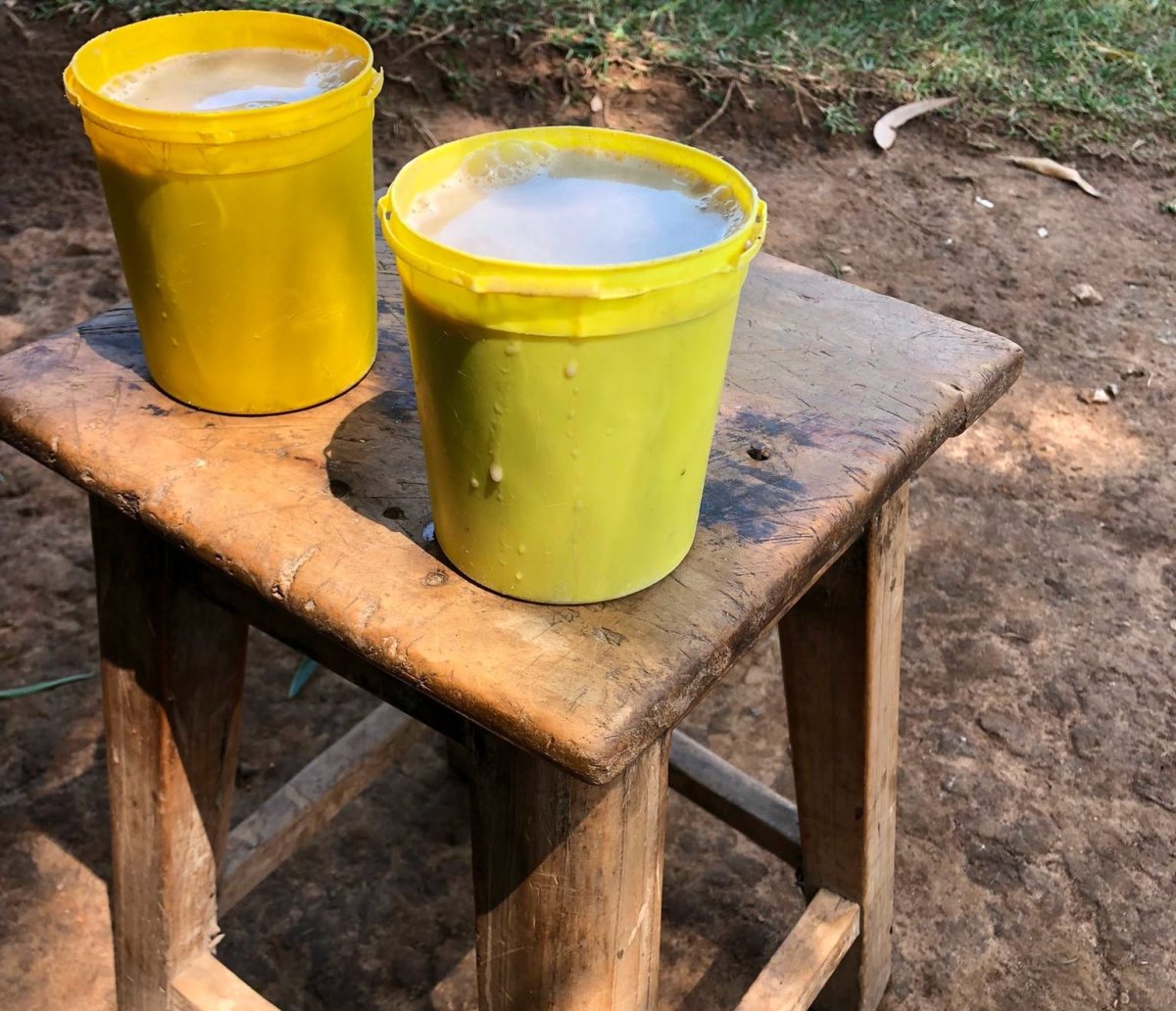
Methanol-laced illicit liquor has also caused deadly outbreaks in other countries, including Kenya, where health authorities have repeatedly warned against consuming unregulated brews.
This story was prepared by the Hamasta Newsdesk with AI assistance, based on reporting by Al Jazeera. Read the original report. Photo: Al Jazeera.




Know what people say about you.
Media monitoring, audience insights and strategic communication for your brand.


More in International
See all
Toxic alcohol kills 11 and sends over 180 to hospital in India's Manipur
Landlords face liability under new proposals to fight illicit alcohol
Kindiki receives charter for nationwide war on illicit alcohol and drugs

Alcohol Control Bill 2026 could cost 30,000 jobs, industry players warn MPs
Kirinyaga crackdown on illicit brews and drugs nets 155 suspects in three months
Global Community Remarks
0