
Germany to build Ukrainian 'Babka' drones as Europe deepens defence ties with Kyiv
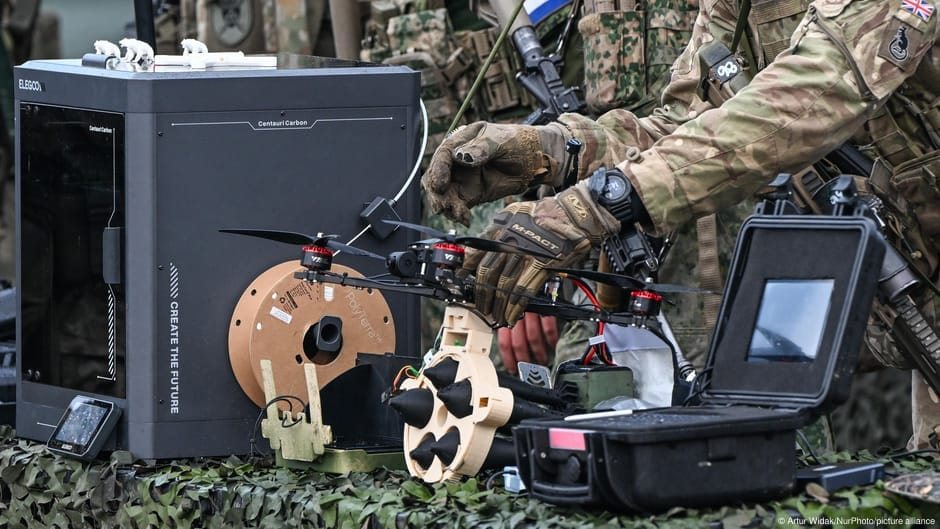
Germany will manufacture a Ukrainian reconnaissance drone on its own soil, the latest in a growing list of European deals that pair Kyiv's combat-tested technology with the continent's money and factories, according to DW News.
German Defence Minister Boris Pistorius made the announcement after talks in Berlin with his Ukrainian counterpart, Yevhenii Khmara. The project centres on the drone known as the "Babka", or "Dragonfly". Pistorius said Germany is investing around €34 million in it.
German firm Wingcopter and Ukrainian manufacturer Shadow Flytech have formed a joint venture specifically to carry out the work.
A wider European drone alliance
The Babka agreement falls under a broader "Drone Alliance" launched by the European Union and Ukraine in July 2026. It was agreed between Ukrainian President Volodymyr Zelenskyy and European Commission President Ursula von der Leyen.
The alliance covers joint development, industrial production, supply chains and counter-drone defence. A central aim is to combine Ukrainian technology proven in combat with Europe's manufacturing capacity.
Separately, under its Drone Deal strategy, Ukraine has signed long-term bilateral agreements with the Netherlands, Norway, Finland, the Baltic states, Qatar, Saudi Arabia and the United Arab Emirates. DW News reports that Kyiv is negotiating with roughly a dozen more countries.
These deals span four areas:
- joint drone production;
- sharing intelligence and battlefield experience;
- cooperation on intelligence gathering, electronic warfare and cyber defence;
- training and advising military personnel.
Germany has not yet formally joined the Drone Deal framework, though talks are under way and German companies are already heavily involved in Ukraine's drone sector.
This week, Ukraine and the United Kingdom also agreed that the UK will manufacture Ukrainian medium- and long-range drones. In March, the two countries had agreed to produce Ukraine's "Octopus" interceptor drone under licence in Britain.
From a niche industry to mass production
Ukraine began building a small but innovative drone industry after fighting broke out in the Donbas in 2014, but production of military drones remained limited until Russia's full-scale invasion in February 2022.
Growth since then has been rapid. Only seven drone models had state approval before the full-scale war; by 2023 the figure was 67. By early 2024, about 200 companies were active in the sector. Ukraine's Ministry of Defence says that, as of June 2026, 95% of drones bought for its armed forces are made at home.
Nico Lange, director of the Berlin-based Institute for Risk Analysis and International Security, told DW that some had underestimated Ukraine as "a country of engineers" with strong technology education and a well-developed software industry.
In July 2026, Zelenskyy said Ukraine could produce about 10 million drones a year domestically, with a goal of reaching 20 million annually with European support.
Cutting reliance on Chinese parts
Supply chains have long been a weak point. As recently as early 2024, about 90% of drone components, including motors, control chips and cameras, came from China. Lange noted that Chinese parts have been favoured for their low cost and that building domestic alternatives takes time.
Through its defence partnerships, Kyiv cut the share of components imported directly from China to around 28% in the first eight months of 2026, according to DW News.
Beyond access to Western components, moving production abroad helps shield factories from Russian strikes. In many deals, Ukraine supplies technology and battlefield experience while European partners provide most of the funding and industrial capacity.
Analysts see a longer-term goal for Kyiv: securing a lasting place in Europe's defence community. Lange said the relationship had grown from early weapons donations into a strategic partnership, adding that it has "rightly been described as a partnership between equals."
Questions remain, however, over whether Ukraine will have enough funding, components and secure production sites to meet demand in the long run, particularly as many small attack drones are destroyed after a single mission or neutralised by jamming.
This story was prepared by the Hamasta Newsdesk with AI assistance, based on reporting by DW News. Read the original report. Photo: DW News.
Every moment, captured beautifully.
Events, corporate portraits, products and editorial shoots by our newsroom photographers.






More in International
See all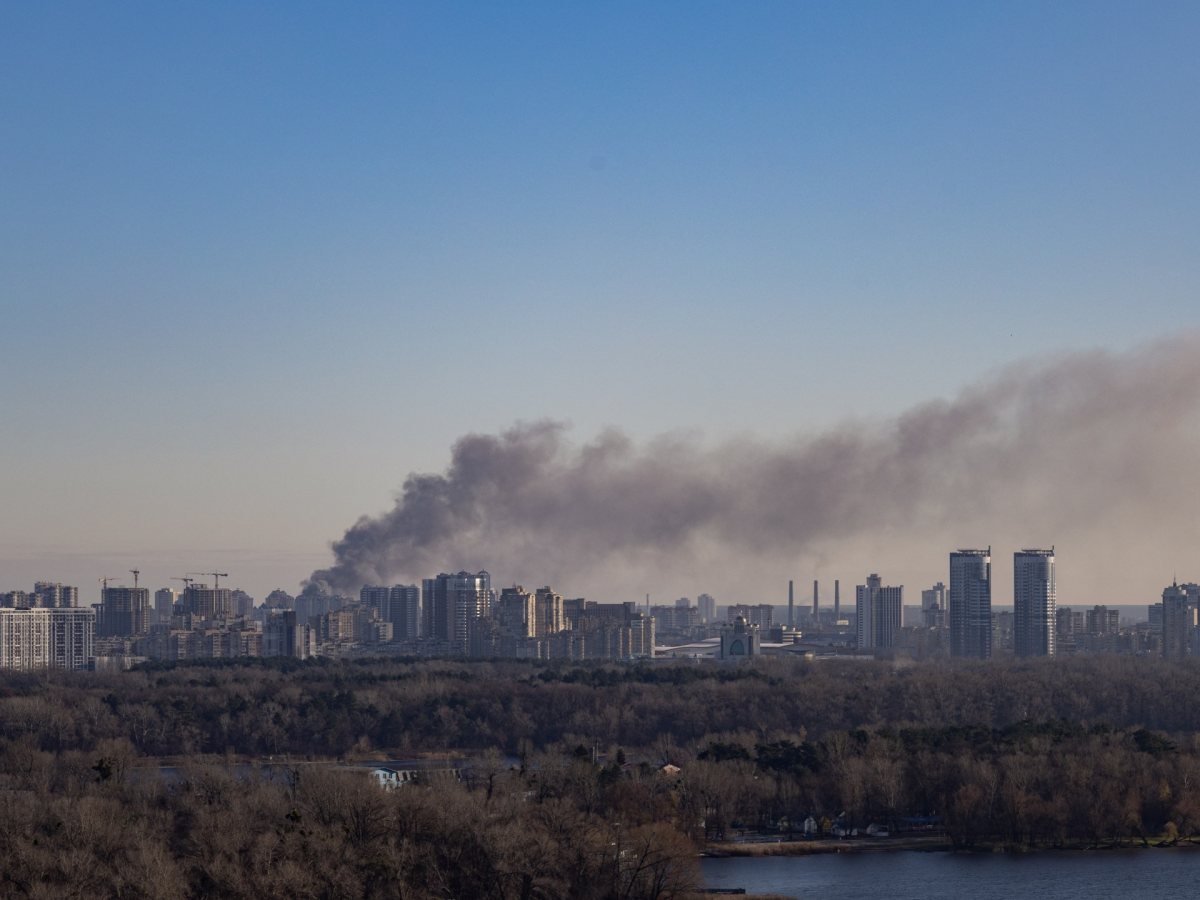
Russia and Ukraine trade strikes on energy sites as drone attacks kill civilians
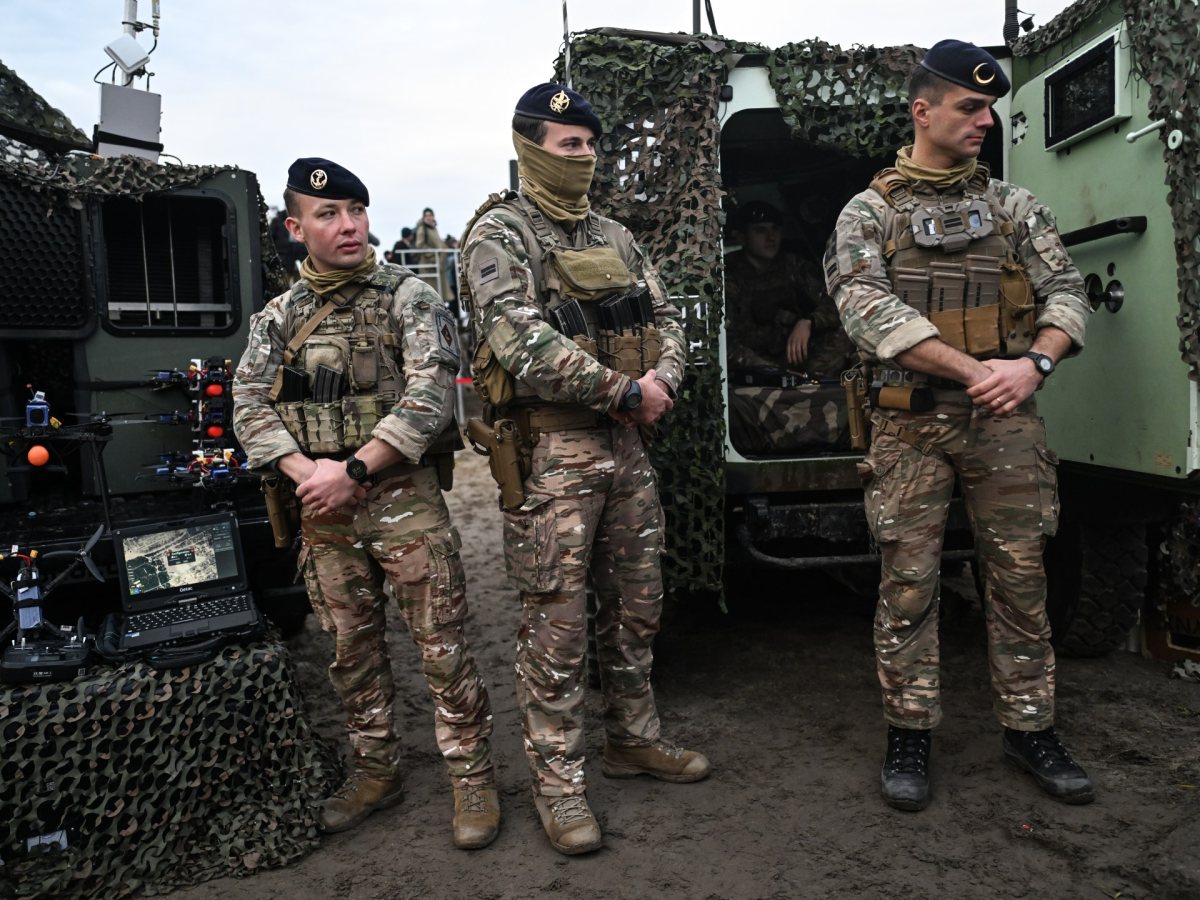
Ukraine knocks out Kerch Bridge road span as Medvedev says 'no one needs Europe'
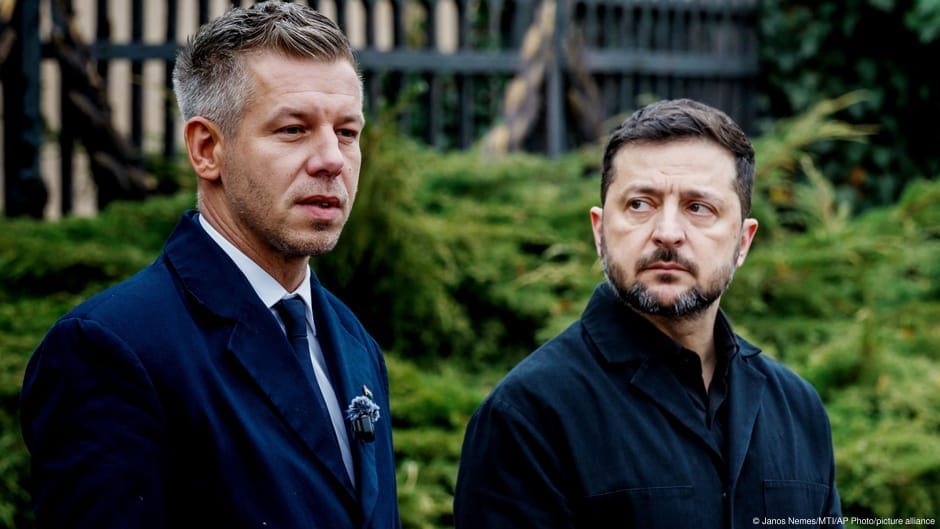
Hungary's Magyar meets Zelenskyy in Ukraine as Budapest-Kyiv ties thaw
Poland says Russia tried twice to assassinate Ukrainian-American rapper Kyivstoner
.jpeg)
Russian drone and missile barrage kills at least eight in Ukraine, hits Kyiv bridges
Global Community Remarks
0