
Two dead as about 1,000 migrants reach Greece's Crete and Gavdos from Libya
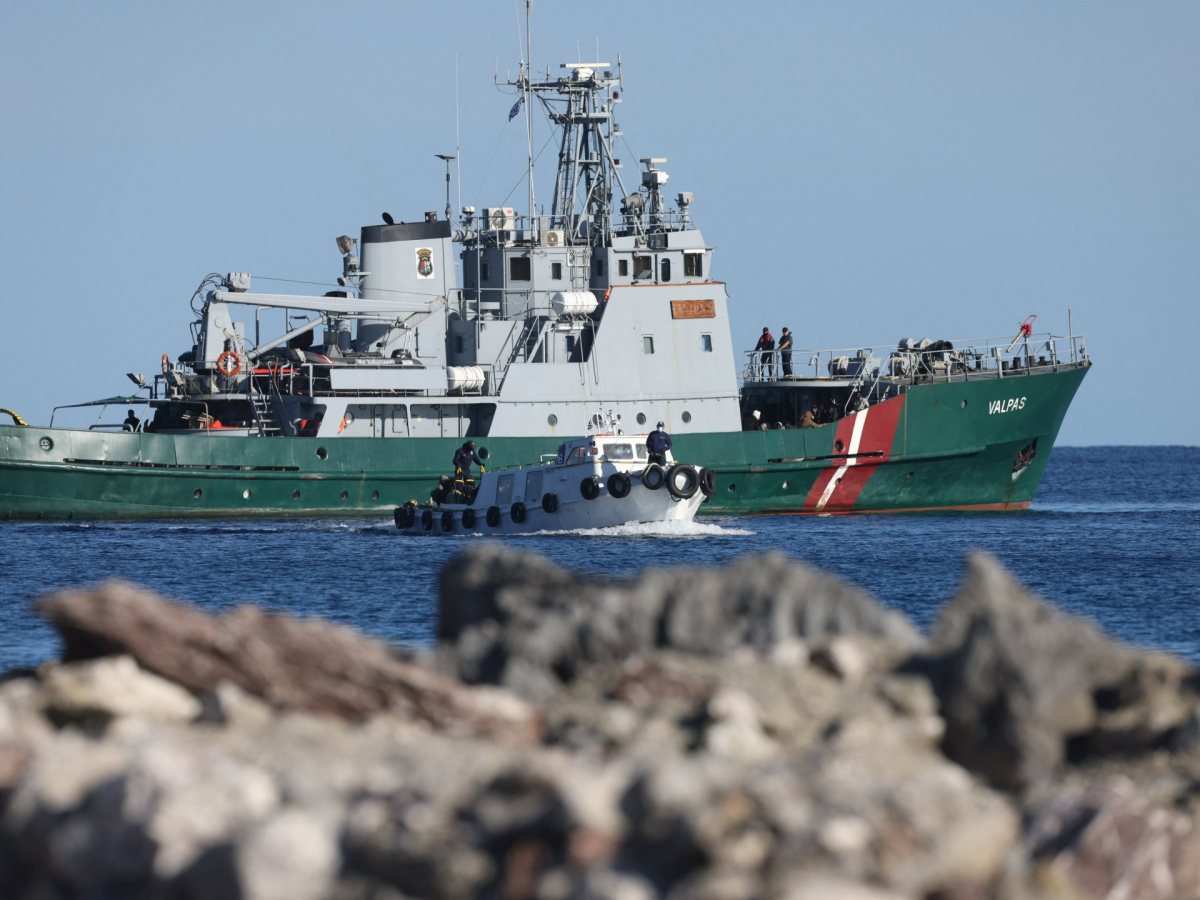
Two people have died after about 1,000 migrants and refugees were rescued at sea and brought to the Greek islands of Crete and Gavdos in a busy stretch of arrivals, according to Greek coastguard reports cited by Al Jazeera.
Greek authorities, working with the European Union border agency Frontex, picked up the boats between the early hours of Friday and Saturday afternoon. All the vessels are believed to have set off from Libya, though there was no immediate information on the nationalities of the people on board.
Deaths on Gavdos
Authorities said the bodies of two people who had reached the shore were recovered on Gavdos, a small island south of Crete, on Saturday. The cause of their deaths was not immediately clear. Local media reported that their boat appeared to have struck rocks as it came in to land.
The same rescue operation brought 41 other people to safety. Four of the survivors were taken to hospital on Crete for medical treatment.
Arrivals continue after dark
The coastguard said it had carried out six rescue operations from Friday evening onwards, bringing 391 migrants and refugees to safety.
In a separate operation on Saturday, 102 people, among them 16 women and five minors, were transferred to the port of Heraklion, the main city on Crete, according to authorities.
Boats were still arriving as night fell on Saturday. The coastguard reported that three more vessels carrying over 150 people had been found south of Crete.
One of the world's deadliest routes
The long sea journey from Libya to Greece's southern coastline has become one of the most heavily used migration routes in the world, and one of the most dangerous.
The International Organization for Migration (IOM) has recorded tens of thousands of deaths and disappearances in the Mediterranean since launching its Missing Migrants Project in 2014. According to the IOM figures reported by Al Jazeera, 2,164 people have been recorded as dead or missing in the Mediterranean so far this year, compared with 2,185 in 2025.
Earlier this month, 22 bodies were discovered in two boats travelling from Libya towards southern Greece.
A shifting southern route
Greece has for years been a first point of entry into Europe for people travelling from African and Asian countries. Overall numbers have fallen in recent years as the Greek government, backed by the EU, has tightened sea and border security and stepped up deportations.
However, arrivals from North Africa have recently risen sharply, opening up a newer southern corridor that leads to Gavdos and Crete rather than the eastern Aegean islands that were once the main entry points.
Libya has long served as a departure point for people from across Africa seeking to reach Europe by sea, and the latest surge underlines the continued pressure on the central and eastern Mediterranean routes.
Greek authorities have not yet said what will happen to the newly arrived migrants and refugees, and further details on the identities of the two people who died on Gavdos were not immediately available.
This story was prepared by the Hamasta Newsdesk with AI assistance, based on reporting by Al Jazeera. Read the original report. Photo: Al Jazeera.




Know what people say about you.
Media monitoring, audience insights and strategic communication for your brand.


More in International
See all
Algeria condemns Ukraine war 'spillover' into Libya after deadly drone strikes
Tragedy: At Least 139 Migrants Dead, 84 Missing After Vessel Capsizes
Zelenskyy says Ukraine sank Russian warship and hit cargo vessel off Libya
UN migration agency and Senegal call for regional crackdown on migrant traffickers

Libya's Haftar makes first known visit to Turkiye after Ukraine strike in Benghazi
Global Community Remarks
0