
Tragedy: At Least 139 Migrants Dead, 84 Missing After Vessel Capsizes

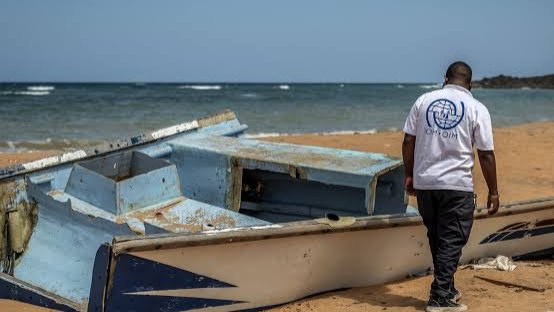
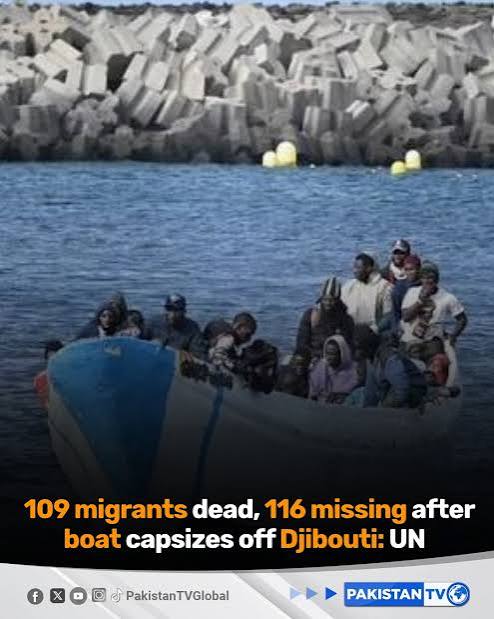
Djibouti Boat Tragedy: At Least 139 Migrants Dead, 84 Missing After Vessel Capsizes
DJIBOUTI, October 11, 2026 — At least 139 migrants, including 15 children, have died after an overcrowded boat carrying 305 people capsized off the coast of Djibouti while travelling towards Yemen, according to the United Nations’ International Organization for Migration (IOM).
The disaster occurred during the night of October 8–9 near Guhere, north of the port town of Obock, as the migrants attempted to cross the Gulf of Aden towards Yemen in search of better economic opportunities. At least 84 people remain missing, while 82 survivors have been reported. Reuters and the Associated Press reported the updated figures on Sunday.
Death toll rises as rescue efforts continue
The death toll increased from an initial 109 after additional bodies were recovered. The latest reported figures indicate that 139 people have died, while search-and-rescue operations continue for those still missing.
The IOM said its teams were working alongside Djiboutian authorities to provide emergency assistance to survivors. Local authorities are also providing medical care and arranging burials for the deceased.
The full identities of the victims and the final number of people who died may take time to establish. According to the Associated Press, the official death toll includes bodies buried by authorities, while some other burials have yet to be verified.
Overcrowding suspected in deadly sinking
Survivor accounts cited by the IOM indicate that the vessel began sinking shortly after departure. Alexandre Coissac, the agency’s chief of mission in Djibouti, told the Associated Press that the boat sank very soon after the migrants boarded, mainly because it was overcrowded.
The incident highlights the dangers of sea crossings undertaken in vessels that may be unsuitable for carrying large numbers of passengers.
Authorities have not publicly established every detail surrounding the sinking, and further information may emerge as investigations and rescue operations continue.
Migrants were heading towards Yemen
The passengers were travelling from Djibouti towards Yemen, hoping eventually to reach wealthier Gulf countries in search of employment and improved living conditions.
The crossing forms part of the so-called Eastern Route, a major migration corridor used by people from the Horn of Africa, particularly Ethiopia and Somalia.
Migrants making the journey face multiple dangers, including drowning, human trafficking, exploitation, detention and violence. The route remains active despite insecurity in Yemen and the risks associated with irregular migration.
The IOM has reported that poverty, insecurity and the effects of climate change are among the factors pushing people to undertake these dangerous journeys.
Calls for safer migration routes
The tragedy has renewed calls for governments and humanitarian organisations to strengthen search-and-rescue capacity and expand safe, legal migration options.
According to the IOM, more than 900 migrants died or went missing along the Eastern Route in 2025.
The agency has urged governments and international partners to increase support for emergency assistance and measures to prevent further loss of life.
Search for missing people continues
As rescue efforts continue, families remain uncertain about the fate of relatives who were aboard the vessel.
The final death toll could change as authorities verify additional recoveries and account for survivors and missing passengers.
The disaster stands as another devastating reminder of the human cost of dangerous migration routes across the Red Sea and the Gulf of Aden.
Source: International Organization for Migration (IOM), Reuters and Associated Press reporting published on October 11, 2026.
Tell your story on screen.
Commercials, documentaries, interviews and social video, from script to final cut.





More in Investigations
See all
Two Killed as Training Aircraft Crashes in Kajiado
.jpeg)
Man from Nyamira Arrested After Allegedly Burning House of Widow in Uriri

Drug Smuggling Ring Exposed as Suspect Swallows 44 Cocaine Pellets, Another Arrested in Mombasa
.jpeg)
Security Alarm in Kabondo Kasipul as Leaders Clash Over Rising Insecurity

Tragedy as Grade 10 Student Dies After Alleged School Altercation
.jpeg)
Petition Filed to Suspend Nairobi's New Water Tariffs Over Public Participation Concerns
Global Community Remarks
0