
Europe urges households to prepare for 72 hours without power, water and internet
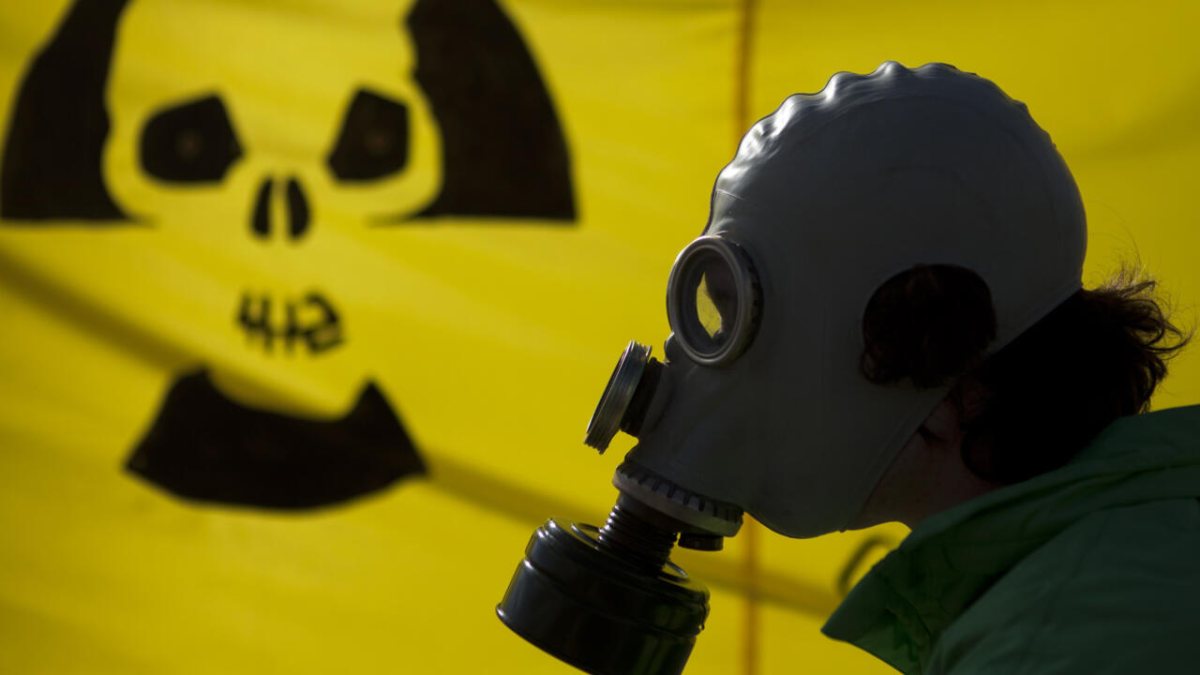
Governments across Europe are asking households to be ready to survive 72 hours without electricity, running water or internet access, as cyberattacks, technical failures and extreme weather raise fresh concerns about national security, according to France 24.
Officials and analysts insist the advice is about practical resilience rather than panic. Even so, a string of recent disruptions has pushed the issue into public debate, including in the campaigns for France's 2027 presidential election.
What France recommends
France's Interior Ministry has long advised residents to keep an emergency kit. It includes six litres of bottled water per person, food that does not spoil, a wind-up radio, cash, a torch and identity documents.
The push for three days of household self-sufficiency was formalised in November 2025 in a civic-security guide titled "Tous Responsables", which updated earlier risk-prevention efforts. Other countries are now taking similar steps.
In October, the UK Cabinet Office launched a "Be Ready" campaign for England and Wales with the same 72-hour benchmark. Weeks before that, Ireland posted "Be Emergency Ready" booklets to 2.2 million homes. Sweden recommends preparing for at least a week, while Switzerland has roughly 370,000 public and private shelters under laws requiring protected space for every resident.
Why three days
Emergency planners told France 24 that 72 hours is a realistic window in which families may have to cope before roads are cleared, power substations repaired, telecommunications restored or supply chains redirected. They argue that highly efficient modern societies, dependent on electricity, software and just-in-time deliveries, leave little room for error.
François Mattens, a defence and security lecturer at Sorbonne University and Sciences Po, said the danger was genuine and increasingly concrete, citing both cyberattacks and physical sabotage of critical infrastructure.
A run of disruptions
Over a two-week period, a global Microsoft outage hit businesses, schools and public bodies. Japan's government fell back on telephone communication and Britain's National Health Service reverted to paper records, France 24 reported. A separate failure in US aviation triggered a nationwide ground stop, and JP Morgan Chase suffered a transaction-processing disruption it blamed on an internal hardware bug rather than a cyberattack.
Last month, French authorities linked an attack on supermarket refrigeration systems to an Iranian cyber operation. Hackers allegedly raised temperatures from -1°C to above 50°C at nearly 700 food distribution sites, destroying perishable stock. At least 11 European countries reported similar attacks. A French blood bank was also later targeted.
France's cybersecurity agency, ANSSI, recorded 1,366 confirmed malicious incidents out of 3,586 security events handled in 2025.
Rafe Pilling of cybersecurity firm Sophos described the outages as an unfortunate coincidence of unrelated incidents and cautioned against reading them as a sign of imminent catastrophe. Mattens warned that fear on social media is sometimes deliberately amplified by hostile actors.
A presidential issue
Bernard Benhamou, secretary general of the Institute for Digital Sovereignty in Paris, said the idea of a foreign "kill switch" cutting national services now preoccupies European policymakers.
"It is the first time ever that a technological problem or issue was mentioned by all the candidates," Benhamou said.
Meteorologist and ethical hacker Gaël Musquet urged Europe to invest in open-source software and hardware to strengthen its independence. He noted that far-left leader Jean-Luc Mélenchon has included resilience proposals in his campaign, and that Cannes mayor David Lisnard has prepared his city for tsunamis.
Strong foundations, cultural gap
France's ORSEC civil-protection framework was activated during Storm Ciarán in November 2023, which killed five people and cut power to 1.2 million households. Grid operator Enedis restored supply to 95 percent of customers within five days.
Mattens said the next step is building preparedness into schools, workplaces and communities, arguing that resilience is also a matter of mindset. Musquet believes France still lags other countries in embracing a culture of risk.
This story was prepared by the Hamasta Newsdesk with AI assistance, based on reporting by France 24. Read the original report. Photo: France 24.




Know what people say about you.
Media monitoring, audience insights and strategic communication for your brand.


More in International
See all
MPs Question Kindiki's Office Over Unaccounted El Niño Preparedness Funds
Global surface water suffers record drop as France battles drought, study finds
KDF Launches Critical Care Nursing Course to Boost Military Emergency Treatment
State issues urgent cybersecurity alert over critical PHP flaws affecting government and business websites
'A matter of national security': Murkomen inaugurates cybersecurity agency board, wants top managers hired by January
Global Community Remarks
0