
Global surface water suffers record drop as France battles drought, study finds
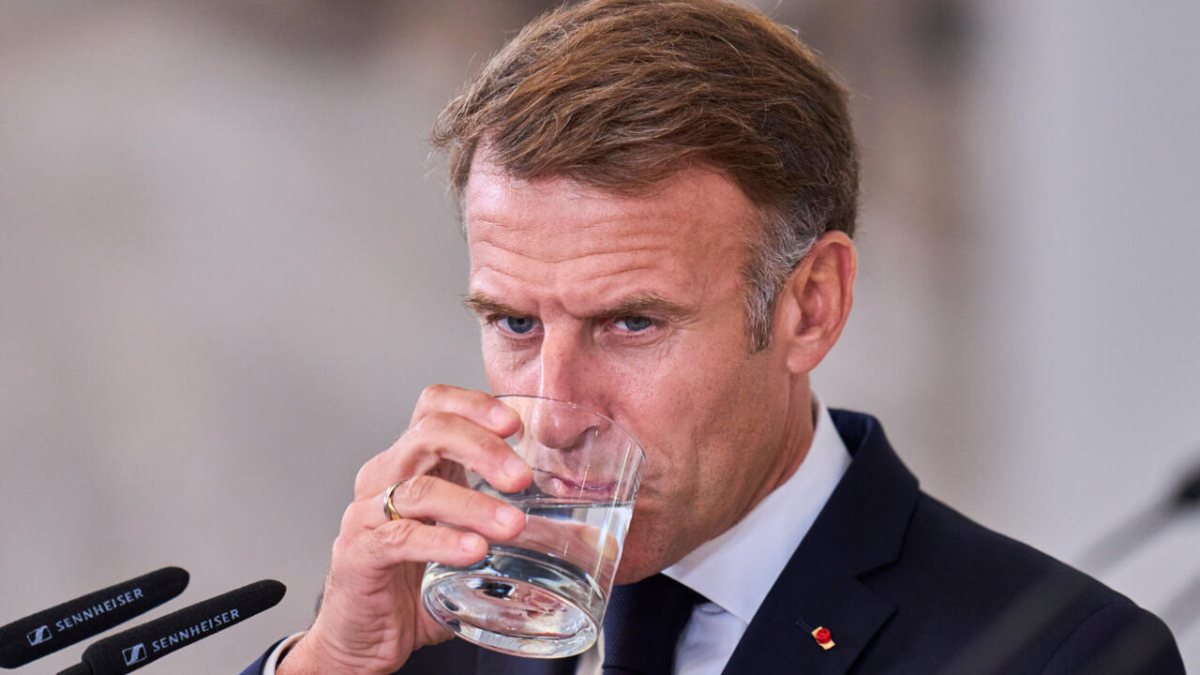
The world's rivers, lakes and reservoirs lost water at the fastest rate on record during the scorching years of 2023 and 2024, according to a new international study. The findings come as France struggles with a drought that has left tens of thousands of people under water restrictions, France 24 reports.
The research, published on Wednesday in the journal Science, describes what it calls the largest global decline in surface water resources since data collection began in 1991.
Rivers and lakes in retreat
Led by the Chinese Academy of Sciences with scientists from several countries, the study examined water levels in about 150 river basins and roughly 1.2 million lakes and reservoirs.
Over the two-year period, global river flow fell about 5.7 percent below its average. Water held in lakes and reservoirs dropped by 9.5 percent.
Gia Destouni, a hydrology professor at Stockholm University and co-author of the study, said the losses affect water that people and ecosystems rely on for drinking, irrigation, hydropower, transport and aquatic habitats.
Both 2023 and 2024 were the hottest years ever recorded, with 2024 still holding the top spot. Europe's Copernicus programme says 2026 is on course to be the second-hottest year on record.
Latin America worst hit
Latin America suffered the steepest declines, the study found. At the time, the El Niño phenomenon was warming the Pacific Ocean while the North Atlantic was also unusually warm, combining to reduce rainfall even in historically wet areas.
Gunter Blöschl, a senior author of the study and researcher at TU Wien in Austria, said it was surprising that the normally very rainy Amazon region was affected, not just traditionally dry areas.
In 2024, around 200 pink river dolphins died in Brazil's Lake Tefé after the water shrank to just two metres deep and 100 metres wide, in a lake previously navigable by heavy ferries.
The researchers also found that rainfall increased over the oceans but fell over land during the period. Blöschl warned that warming is reshaping how water is distributed across the planet.
"Droughts can be much more severe than one would expect based on warming alone," Blöschl said.
He stressed that the central concern is not that the world is steadily drying every year, but that growing irregularity in supply could deepen water insecurity, with once water-rich regions suddenly hit by severe drought.
France under pressure
In France, about 1.5 million people are affected by low water supply, and some 89,000 face at least one form of emergency restriction, according to the environment ministry. Around two-thirds of those 89,000 are experiencing partial water cuts.
Last week, officials in the central region of Creuse sent water trucks to top up reserves and keep taps running. In late October, the mayor of the north-western port city of Brest, Stéphane Roudaut, reportedly told AFP that Brittany was close to collapse in terms of drinking water access.
France's geological institute reported earlier this month that two-thirds of the country's groundwater reserves were below their monthly average despite some rain, describing the situation as "extremely worrying".
The heat behind the drought has also proved deadly. More than 5,000 people died in France as a result of heatwaves in 2023, and just under 4,000 excess deaths were recorded in 2024. Across Europe, the 2024 summer heatwaves killed more than 60,000 people.
A global crisis
According to the United Nations, more than two billion people worldwide lack access to safe drinking water, and half of the global population faces water scarcity. Those numbers are expected to rise as the climate crisis intensifies.
There may be some relief for France. Météo-France says a wetter-than-normal scenario is likely in the coming months, particularly in the north, where most of the country's groundwater is stored. If the rain arrives, it could help refill depleted aquifers.
This story was prepared by the Hamasta Newsdesk with AI assistance, based on reporting by France 24. Read the original report. Photo: France 24.


Take your event live to thousands.
Multi-camera live streams, panel discussions and digital broadcasts with professional crews.




More in Environment
See all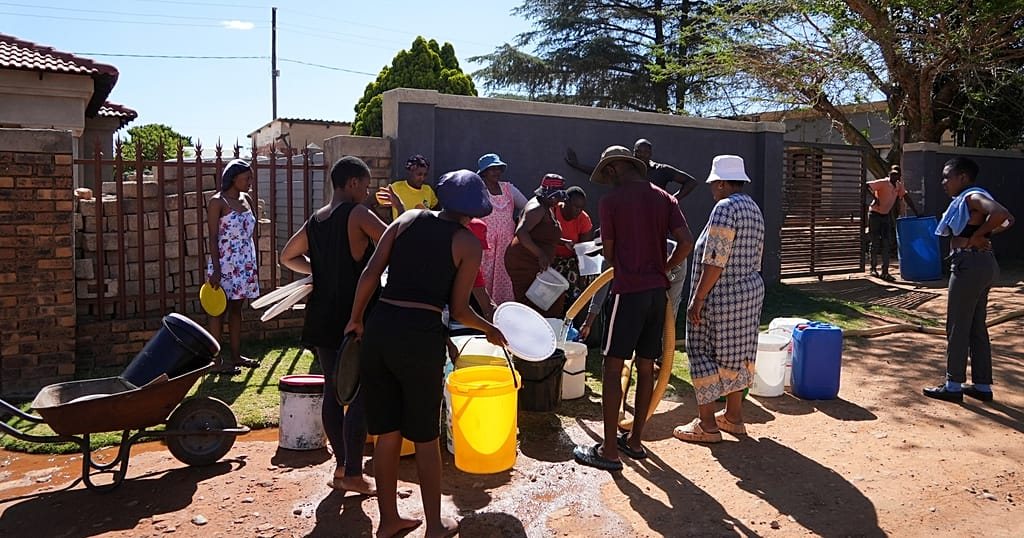
South African cities tighten water curbs as strong El Niño raises drought fears
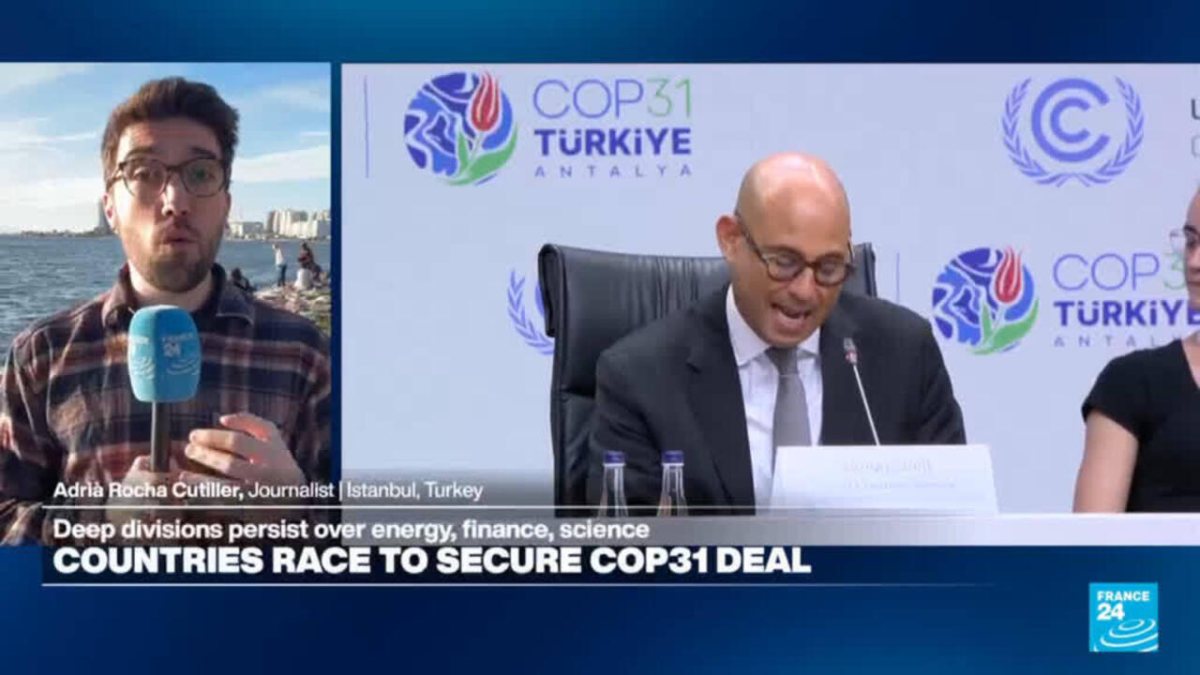
COP31 talks run into overtime as rows over fossil fuels and climate cash deepen
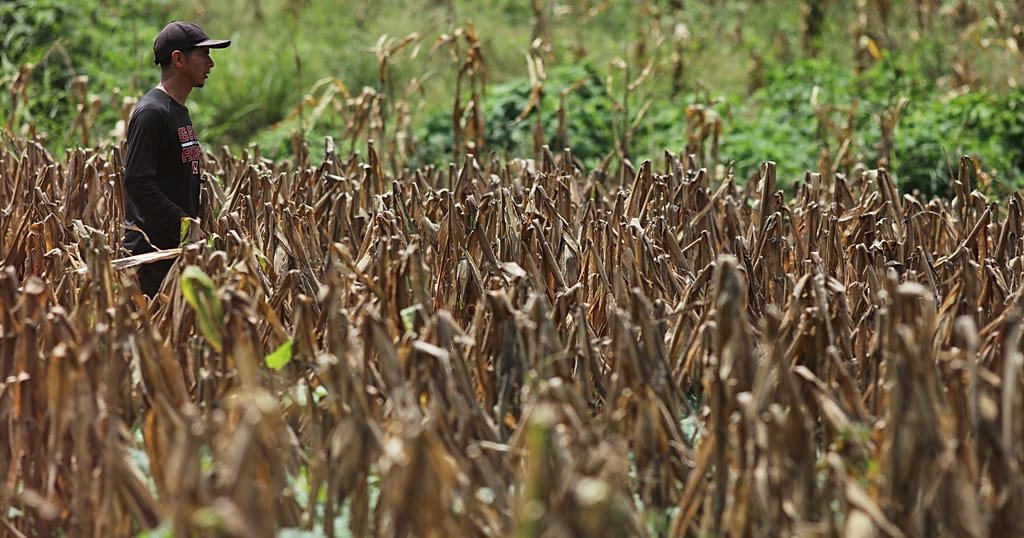
Mauritius drought slashes farm output as El Niño heat drives up food prices
Climate activists march in Nairobi, push government to boost clean energy funding
Sudan's farmers squeezed as war damage and drought choke water supplies
Global Community Remarks
0