
Sudan's farmers squeezed as war damage and drought choke water supplies
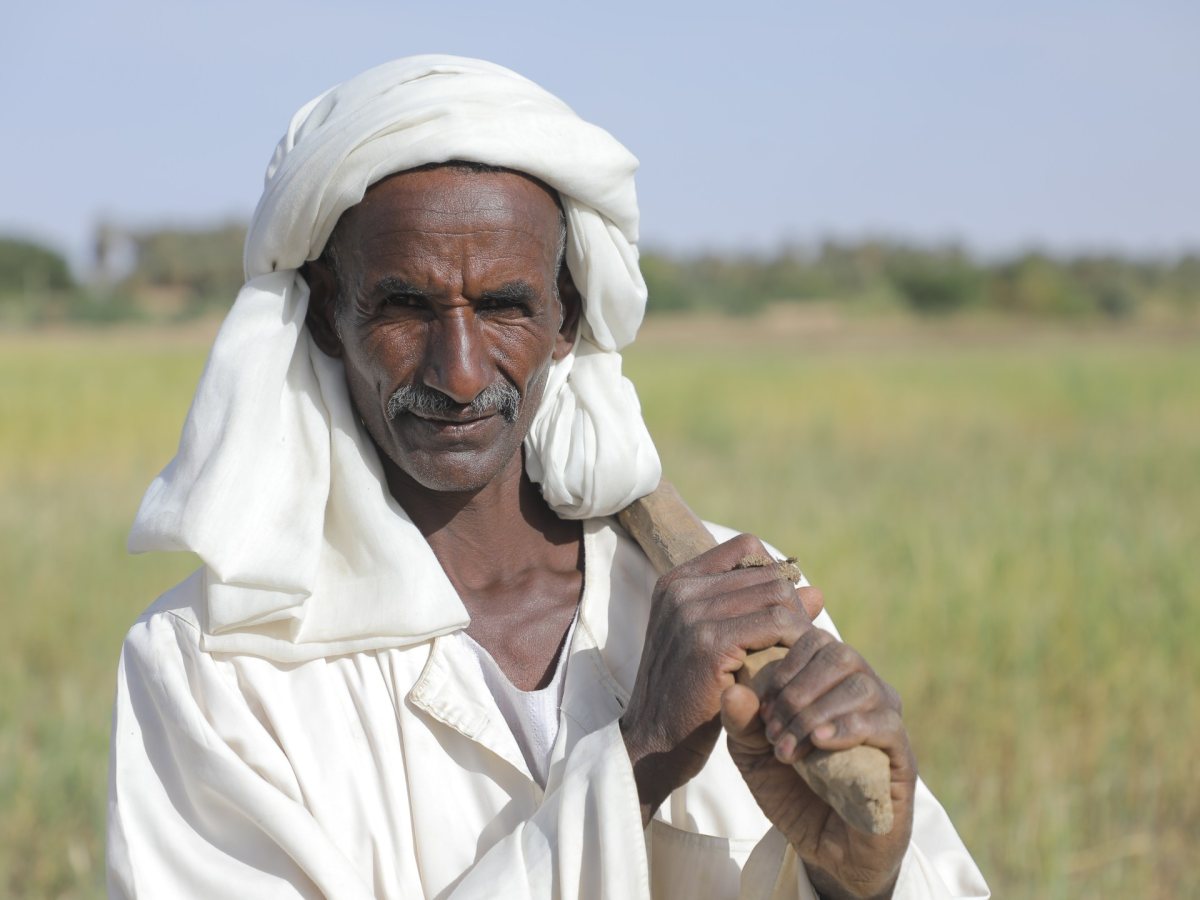
Sudan's farmers are facing one of the hardest seasons in living memory as attacks on electricity and fuel infrastructure combine with weak rains to cripple irrigation and shrink harvests, according to Al Jazeera.
The water crisis is also reaching far beyond the fields. Aid agencies say millions of people across the war-torn country are struggling to find safe drinking water, raising the risk of cholera and other waterborne diseases.
A farmer's mounting debts
Haider Mohamed has farmed in Sudan's Northern State for more than four decades, growing fava beans, wheat and seasonal crops on a plot of about four hectares in al-Saleem, near Dongola. He feeds his family from part of the harvest and sells the rest to pay for healthcare and his children's schooling.
He described the current situation as unlike anything he has seen in 40 years. Drone attacks on power stations have repeatedly cut electricity, leaving him unable to run his irrigation equipment.
"We have accumulated a lot of debt, and we fear that we will not harvest enough to feed our children," Mohamed told Al Jazeera, adding that his crops were destroyed last year.
Farmers who depend on diesel pumps fare little better, he said, because fuel is scarce and costly when available, while solar-powered irrigation remains beyond the reach of most smallholders.
War hits fuel and power
The conflict between the Sudanese Armed Forces and the paramilitary Rapid Support Forces (RSF), which broke out in 2023, has badly disrupted fuel supplies. Sudan's largest oil refinery, as well as fuel depots and petrol stations, have come under attack.
In October alone, attacks blamed on the RSF damaged critical infrastructure in 11 states, knocking out electricity and water services and disabling several water sources, Al Jazeera reported.
Higher global energy prices have added to the strain. The United Nations says the price of diesel nearly doubled between March and August this year.
Failed rains in the grain belt
In rain-fed farming areas, drought has deepened the crisis. Rainfall during the June-to-September season fell across most agricultural zones, a decline believed to be linked to the El Nino weather pattern.
According to the UN Food and Agriculture Organization (FAO), the southeastern states of Gedaref and Sennar received roughly 30 per cent and 20 per cent of normal rainfall respectively. The two states usually produce about a quarter of Sudan's sorghum, the country's main staple cereal.
Millions in need of water
The International Committee of the Red Cross says damage to water, power and other civilian systems has cut millions of people off from essential services.
UNICEF estimates that more than 27 million people in Sudan need water, sanitation and hygiene assistance. Between January and June, the agency and its partners reached 6.6 million people with safe water, about two-thirds of them through emergency support for displaced people, returnees and communities hit by conflict and cholera.
In Khartoum, residents still queue for hours for water after war damage shut down several stations. Saleh Zaki, from the East Nile district, said his community had long struggled with supply and had once raised its own money to drill two wells after authorities cited a lack of budget. He said the area now urgently needs more wells, network repairs and solar-powered systems.
Government relief measures
In August, the government announced steps to ease the crisis and encourage displaced families to return, including exempting solar panels imported for personal use from customs duties and other fees, and waiving residential water charges nationwide until the end of 2026.
Mohamed Elnayer, an economist at the Sudan University of Science and Technology, said the measures should be widened to include more support for agriculture, incentives for farmers and easier financing for solar irrigation, alongside broader reforms to rehabilitate water stations and cut infrastructure costs.
This story was prepared by the Hamasta Newsdesk with AI assistance, based on reporting by Al Jazeera. Read the original report. Photo: Al Jazeera.



Grow an audience that listens.
Social media management, digital campaigns and online storytelling that converts.



More in International
See all
Sudan court sentences RSF leader Hemedti to death again over $396m medical fund looting
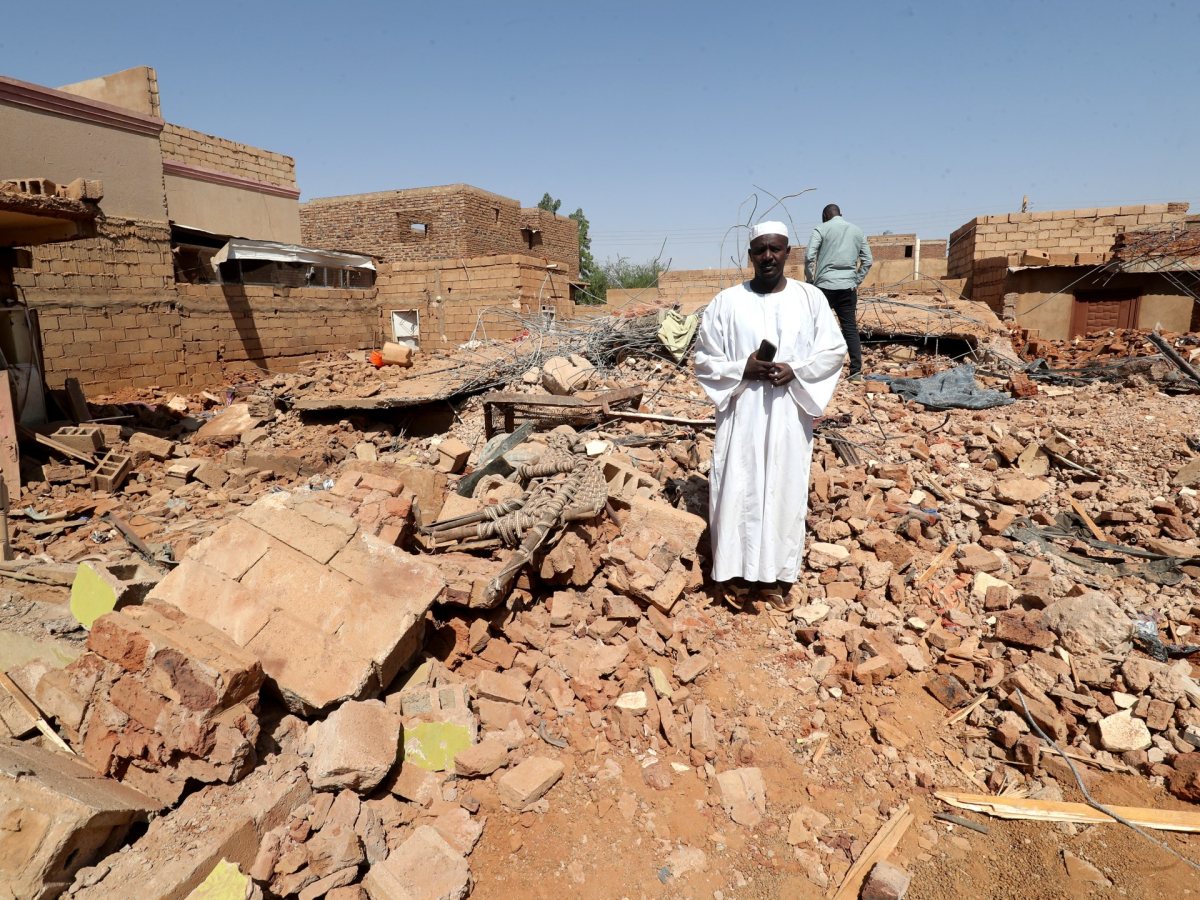
RSF drone strikes kill at least 19 in Sudan's Blue Nile state
UK sanctions 15 Sudanese army and RSF commanders on El Fasher anniversary, pledges £15 million in aid
WFP warns wars at three sea chokepoints put food aid for 7.3 million at risk
Sudan war trauma fuels surge in drug addiction among young people
Global Community Remarks
0