
UK sanctions 15 Sudanese army and RSF commanders on El Fasher anniversary, pledges £15 million in aid

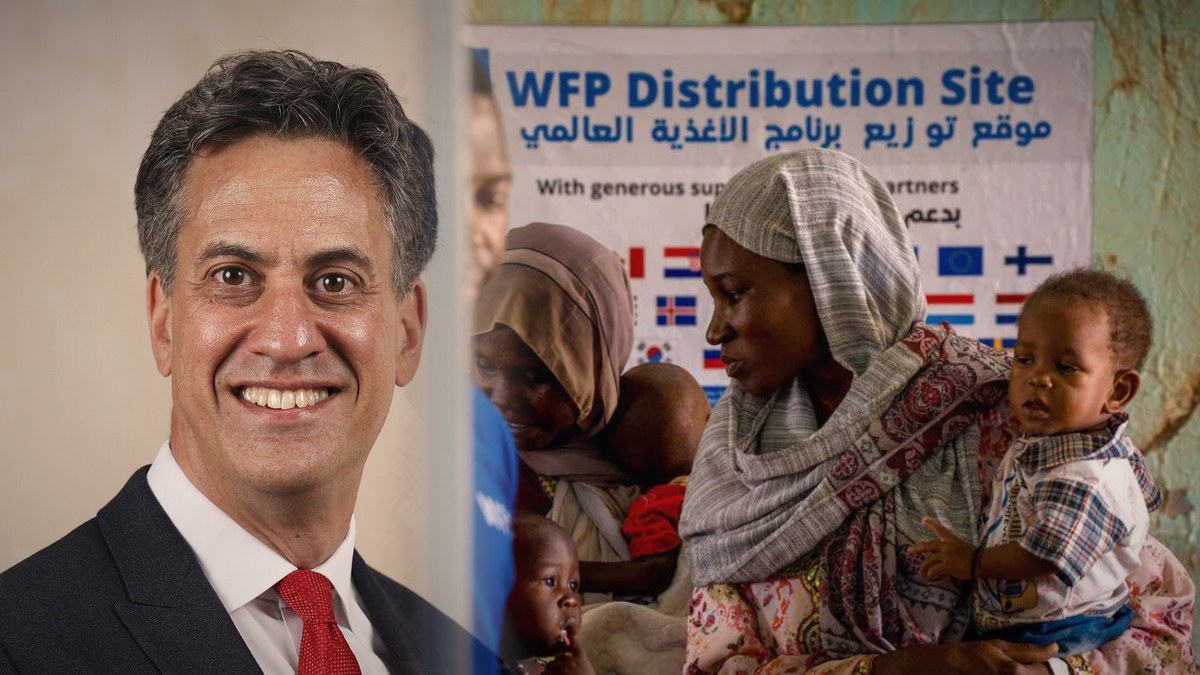
The United Kingdom has imposed sanctions on 15 senior commanders from both sides of Sudan's war, accusing them of involvement in atrocities including conflict-related sexual violence, and has announced £15 million in new humanitarian support.
The measures, announced on Monday, October 26, coincided with the first anniversary of the fall of El Fasher, the North Darfur capital that the Rapid Support Forces (RSF) captured after an 18-month siege. The commanders are drawn from the RSF and the Sudanese Armed Forces (SAF), and face travel bans and asset freezes.
Commanders linked to El Fasher siege
The UK Foreign, Commonwealth and Development Office named two RSF figures in its announcement: Colonel Hussein Abu Jalak, whom it linked to atrocities during the siege of El Fasher, and Al-Nour Ahmed Adam, known as "Al-Qubba", who it said played a prominent role in besieging and attacking the city.
Sudan Tribune reported that British authorities had made public the names of 12 of the 15 individuals, among them army officers such as Major General Awad Al-Karim Ali Saeed, commander of the 1st Infantry Division in Gezira. The full list of designations was not immediately available.
The government said this is the sixth round of UK sanctions connected to the conflict, which broke out in April 2023 between the army led by General Abdel Fattah al-Burhan and the RSF under Mohamed Hamdan Dagalo, widely known as Hemedti.
"These are crimes against our humanity - the perpetrators must be held accountable," Foreign Secretary Ed Miliband said in the government statement.
Miliband also called on foreign backers of the warring parties to end their support, and urged both the RSF and the army to stop attacking aid convoys. He warned that El Niño-linked drought could worsen hunger in a country already facing famine conditions in several areas.
Starvation and rape as weapons
The sanctions follow new reporting by the UK-funded Centre for Information Resilience, which the government said documents systematic starvation and sexual violence against civilians by both sides.
According to the FCDO, footage gathered by investigators shows RSF fighters discussing cutting off El Fasher's water supply and blocking food traders from entering the city during the siege. The reporting also describes women and girls being abducted, repeatedly raped and held in conditions amounting to sexual slavery.
Where the money will go
Of the new funding, £5 million will go to survivors of conflict-related sexual violence, paying for sexual and reproductive healthcare, maternal health services, psychosocial support and safe spaces for women and girls.
The remaining £10 million will support the wider humanitarian response, including clean water and sanitation at displacement sites around Tawila in North Darfur, where many of those who fled El Fasher have sought shelter, and health and protection services in El Obeid, the capital of North Kordofan.
The announcement comes as rights groups mark a grim anniversary. Amnesty International and Human Rights Watch said last week that El Fasher remains a city of detention, fear and hunger a year after the RSF takeover, and that no one has yet been held to account for the mass killings that followed. The UN has warned that drone strikes on markets and water points continue to kill civilians across Darfur and Kordofan.
The Kenya connection
The war has repeatedly drawn Kenya into its diplomacy. Nairobi faced sharp criticism from Sudan's army-led government in 2025 after the RSF and its allies held meetings in the city to form a rival administration, and Kenya has since denied allegations that it supports the paramilitary group.
For aid agencies, however, the immediate question is whether new money and sanctions will translate into safer access to the millions of Sudanese who remain cut off from food and medical care as the war enters its fourth year.
Photos: UK Foreign Secretary Ed Miliband (Lauren Hurley / No 10 Downing Street, OGL via Wikimedia Commons); women and children at a WFP distribution site in Sudan (IBTimes UK)


Grow an audience that listens.
Social media management, digital campaigns and online storytelling that converts.



More in International
See all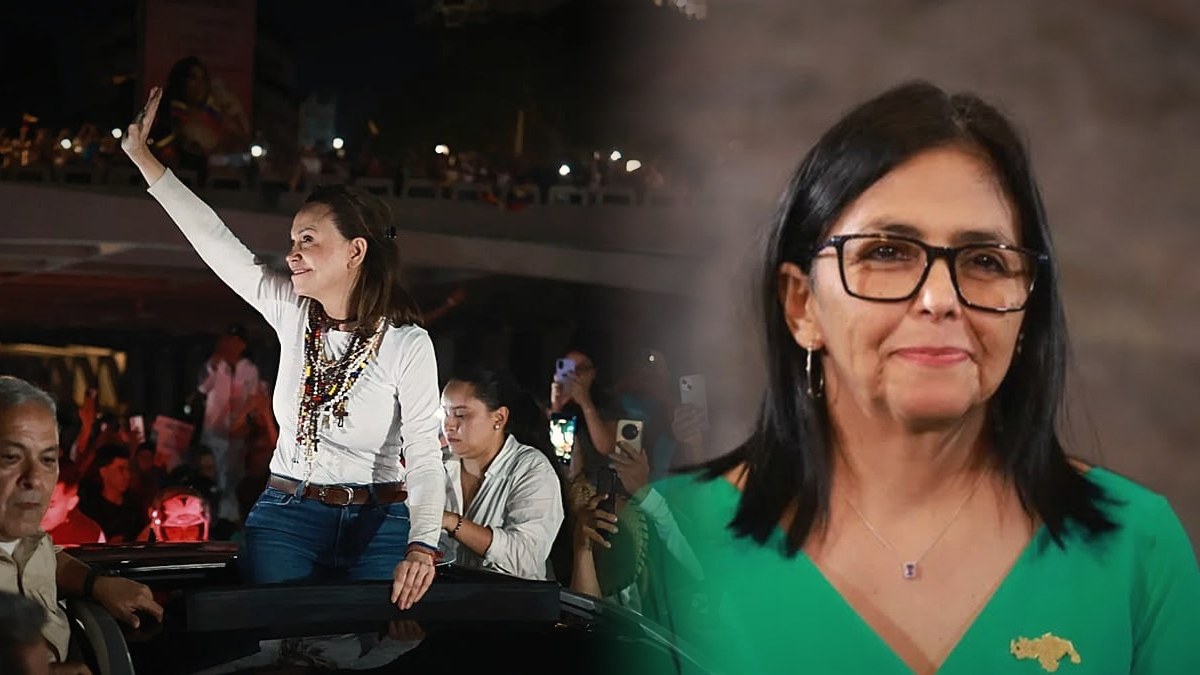
Machado returns to Venezuela after 10 months in exile, offers talks with interim President Delcy Rodríguez
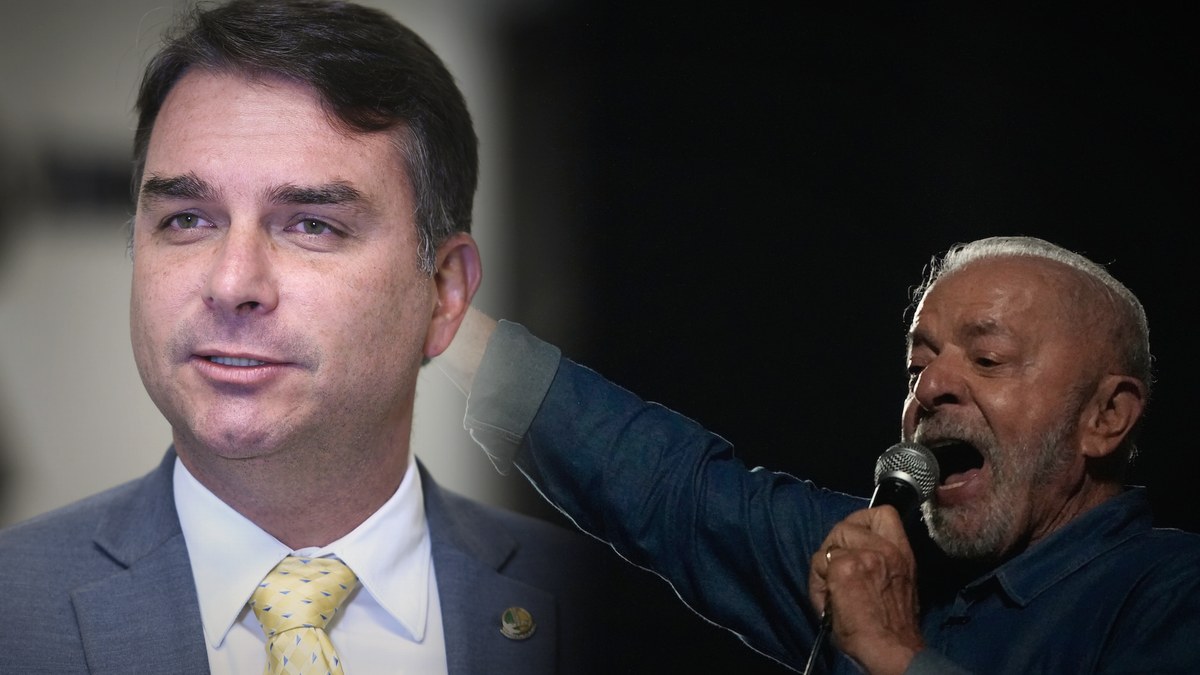
Lula wins record fourth term in Brazil as markets crash and Flávio Bolsonaro seeks annulment
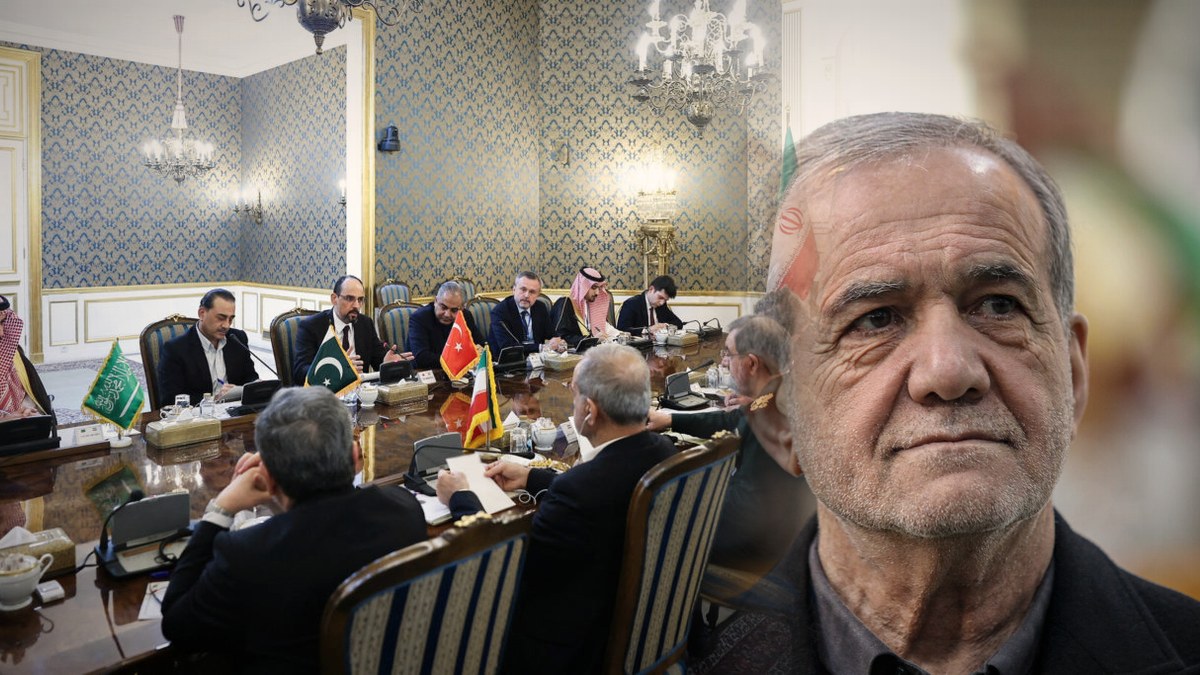
Saudi, Pakistani and Turkish envoys rush to Tehran to stop Iran war from reigniting
Israel votes as Eisenkot challenges Netanyahu in first election since October 7
UN to shut down its political mission in Somalia on October 31, ending more than three decades of missions
Uganda and Kenya sign three tourism and trade deals at Mombasa summit, pitch 'Beach to Bush' holiday packages
Global Community Remarks
0