
Lula wins record fourth term in Brazil as markets crash and Flávio Bolsonaro seeks annulment

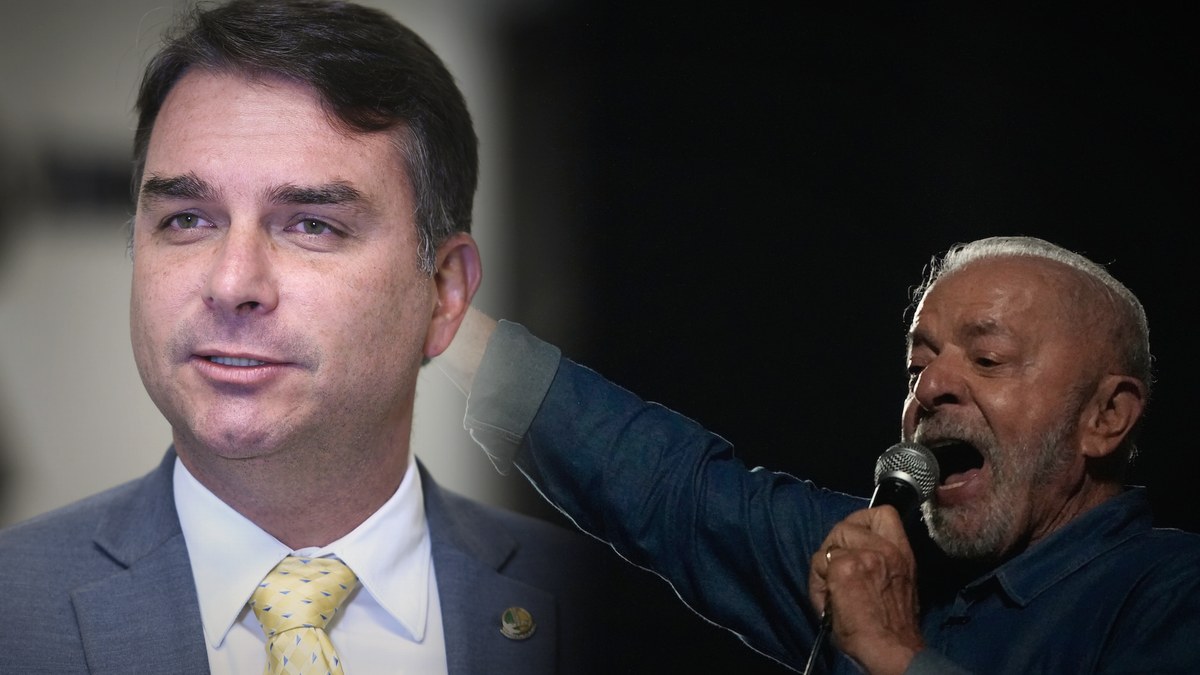
Brazilian President Luiz Inácio Lula da Silva has won a record fourth term in a come-from-behind runoff victory, but his win has triggered the sharpest stock market crash in Brazil in six years and a legal challenge from his defeated rival, Senator Flávio Bolsonaro.
With all polling stations counted, Brazil's electoral court (TSE) results show Lula took 51.79 per cent of the vote, or 64,256,232 votes, against 48.21 per cent, or 59,826,041 votes, for Bolsonaro in Sunday's October 25 runoff. Turnout was 80.78 per cent.
The result was a surprise. Bolsonaro, the eldest son of jailed former president Jair Bolsonaro, had led the first round on October 4 with about 47 per cent to Lula's 45 per cent, and most runoff polls had favoured him. Bloomberg described the result as a comeback that halted a right-wing wave sweeping Latin America.
The Associated Press reported that Lula gained about 10.4 million voters between the two rounds, helped by 14.1 million additional people who turned out for the runoff, about three-quarters of whom analysts estimate backed the incumbent.
Bolsonaro seeks annulment
At a news conference on Sunday, Flávio Bolsonaro refused to accept the result and said he would seek to have it annulled. He pointed to a last-minute extension of voting hours ordered by a Supreme Court justice minutes before polls were due to close at 5pm.
According to the AP, both campaigns had in fact asked for the extension: Lula's side over transport problems in São Paulo and Salvador, and Bolsonaro's over heavy rain in the south. It is unclear what legal route he would use. The head of the electoral authority, Kassio Nunes, has recognised Lula's victory, and conservative regional leaders were quick to accept the outcome.
"This is a really uphill battle for Flavio Bolsonaro," Brian Winter of Americas Quarterly told the AP, while cautioning: "We shouldn't underestimate the power of the Bolsonaro family."
Benjamin Gedan of the Stimson Center warned that "false claims of fraud are becoming commonplace, though that does not make them any less dangerous."
Markets in freefall
Investors, who had bet heavily on a Bolsonaro victory, reacted badly. The Rio Times reported that the benchmark Ibovespa index closed down 13.88 per cent on Monday, its worst single session since the 2020 Covid sell-off, after the B3 exchange triggered a circuit breaker that halted trading for 30 minutes. The US dollar jumped about 8.8 per cent against the real, and shares in some retailers lost more than a third of their value.
Market reports said JPMorgan had downgraded its view on Brazil's currency and government bonds. The scale of the sell-off contrasts with 2022, when Lula's previous runoff win produced only a modest wobble.
A hostile Congress
Lula, who turns 81 on Tuesday, will be sworn in on January 5, 2027, with Geraldo Alckmin again as vice-president. He will face a right-leaning Congress in which Bolsonaro's Liberal Party (PL) will be the largest party in both houses, holding 121 of 513 seats in the Chamber of Deputies, according to preliminary tallies, which will make it hard to pass his agenda.
Jair Bolsonaro, who was sentenced to 27 years in prison in 2025 over a plot to overturn the 2022 election, remains barred from office until 2030. Flávio Bolsonaro keeps his Senate seat until his term ends in January.
Why it matters beyond Brazil
Brazil is Latin America's largest economy and a founding member of the BRICS bloc. Lula has positioned himself as a leading voice of the Global South on climate finance, trade and reform of global institutions, causes Kenya has also championed. His government hosted the COP30 climate summit in Belém last year.
His return to office means that voice will continue for another four years, but the market rout and a divided Congress suggest his fourth term will start under heavy pressure.
Photos: AP via ABC News (Lula da Silva); Agência Senado/Wikimedia Commons, CC BY 2.0 (Flávio Bolsonaro)


Take your event live to thousands.
Multi-camera live streams, panel discussions and digital broadcasts with professional crews.




More in International
See all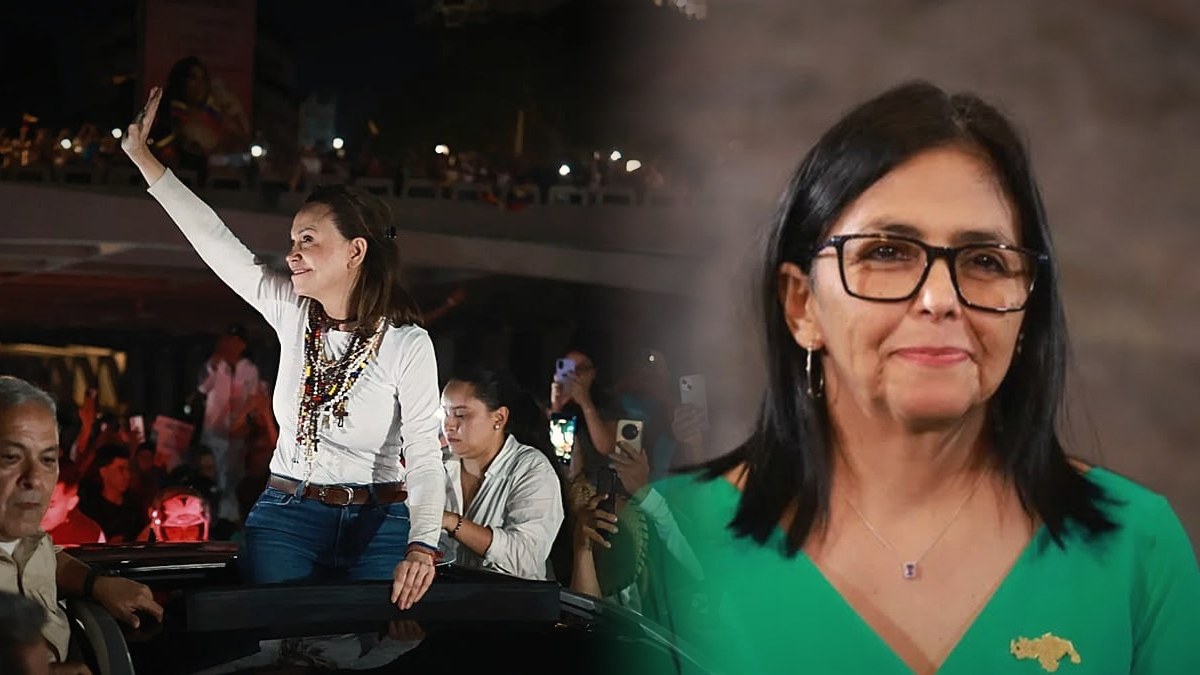
Machado returns to Venezuela after 10 months in exile, offers talks with interim President Delcy Rodríguez
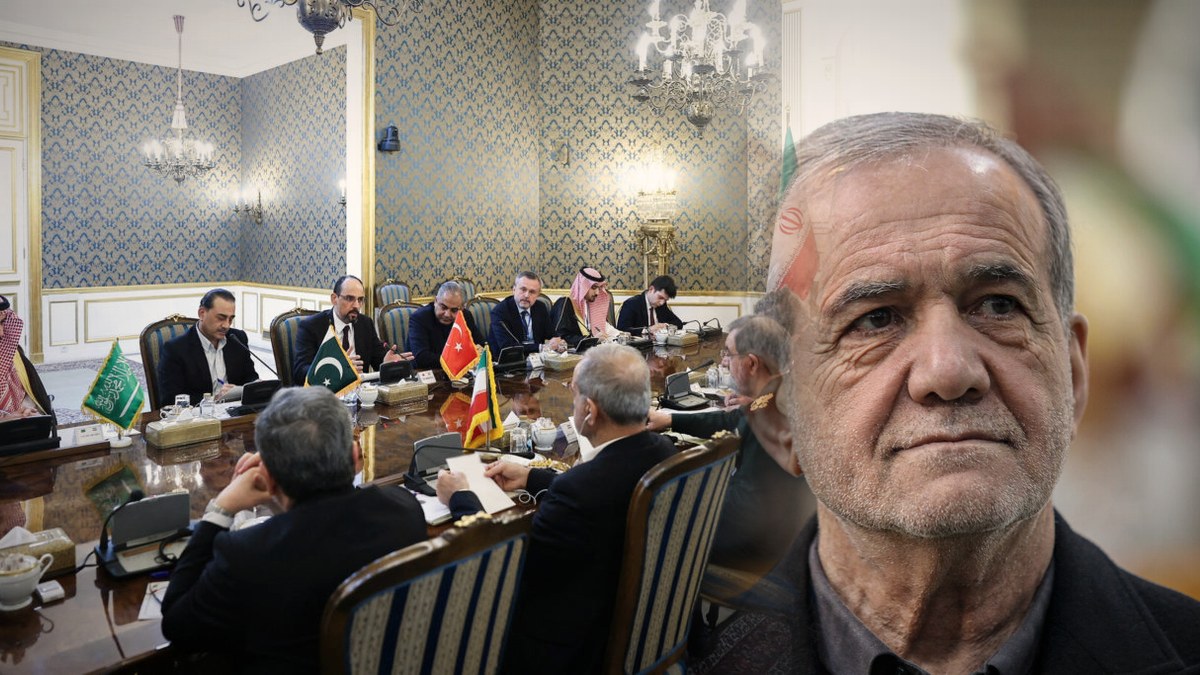
Saudi, Pakistani and Turkish envoys rush to Tehran to stop Iran war from reigniting
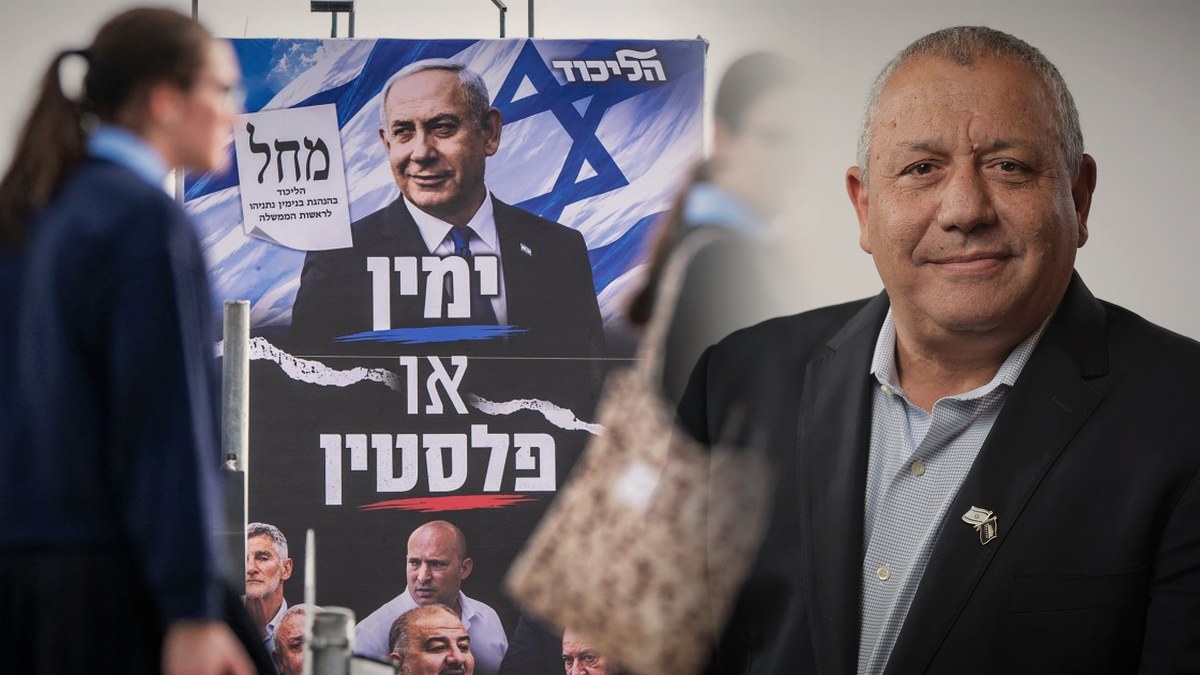
Israel votes as Eisenkot challenges Netanyahu in first election since October 7
UN to shut down its political mission in Somalia on October 31, ending more than three decades of missions
UK sanctions 15 Sudanese army and RSF commanders on El Fasher anniversary, pledges £15 million in aid
Uganda and Kenya sign three tourism and trade deals at Mombasa summit, pitch 'Beach to Bush' holiday packages
Global Community Remarks
0