
UN to shut down its political mission in Somalia on October 31, ending more than three decades of missions

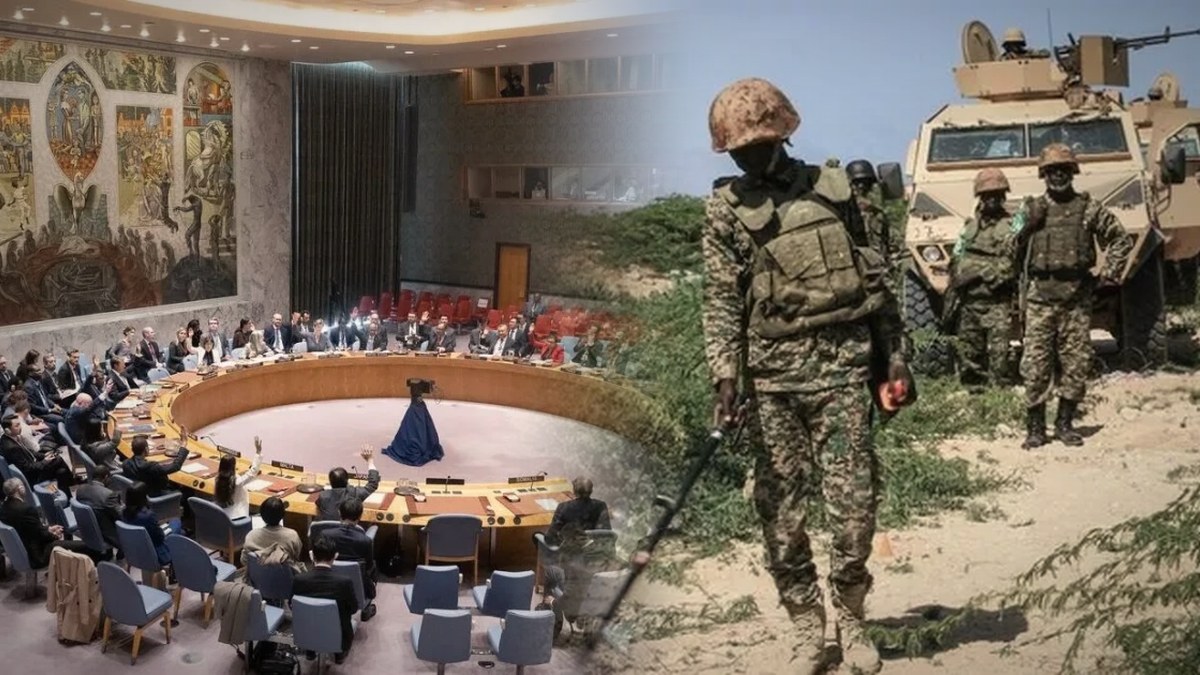
The United Nations will close its political mission in Somalia on Saturday, October 31, bringing to an end more than three decades of UN missions that have supported peacebuilding, governance and state-building in the Horn of Africa nation.
The UN Transitional Assistance Mission in Somalia (UNTMIS) will cease operations at the end of the week after a two-year transition, according to a statement issued on Monday, October 26, by Stéphane Dujarric, spokesperson for UN Secretary-General António Guterres.
The statement said the closure follows Security Council resolutions 2753 of 2024 and 2809 of 2025, as well as a request by Somalia's Federal Government to take on greater responsibility for its own political and security affairs.
Handover to Somali institutions
Under a transition roadmap agreed between Somalia and the UN, the mission's mandated functions have already been passed to Somali institutions and to UN agencies, funds and programmes working in the country.
UNTMIS was set up in November 2024 to replace the UN Assistance Mission in Somalia (UNSOM), which had operated since 2013. The Security Council later decided that the successor mission would wind up all its operations by October 31, 2026.
"This milestone brings to a close more than three decades of United Nations missions," Dujarric said in the statement, as reported by Anadolu Agency.
Guterres said the UN would continue to support Somalia through its resident agencies and programmes, working alongside the Somali authorities, the African Union and other partners. He also paid tribute to UN personnel who lost their lives while serving in Somalia.
Al-Shabaab threat persists
The Secretary-General, however, cautioned that the country still faces significant political, security, humanitarian and development challenges. He called for sustained international support to consolidate progress, advance inclusive political dialogue and reconciliation, strengthen institutions and protect human rights.
According to Citizen Digital, Guterres also stressed the need for continued help in countering Al-Shabaab and in managing a gradual, sustainable transfer of security responsibilities to Somali forces.
The closure comes at a politically sensitive moment in Mogadishu, where President Hassan Sheikh Mohamud's government and the opposition remain at odds over the timetable and model for the 2027 elections.
What it means for Kenya
The end of the UN political mission does not affect the African Union Support and Stabilisation Mission in Somalia (AUSSOM), the AU-led force in which Kenya Defence Forces troops serve. Kenyans.co.ke reports that AUSSOM's current mandate runs until December 31, 2026, unless it is extended.
Kenya first sent troops into Somalia in October 2011 under Operation Linda Nchi, before they were absorbed into the African Union operations against Al-Shabaab.
The militant group remains a direct threat on the Kenyan side of the border. In Mandera County alone, security forces have faced a string of attacks this year, including an operation in July in which 11 suspected militants were killed, and an attack near Wantey Dam in late July that left five Special Operations Group officers dead. In September, security personnel repelled a night-time assault on Arabia town after hours of gunfire.
The Kenya-Somalia border has officially been closed for more than 13 years, with President William Ruto citing security concerns for keeping it shut.
Security analysts have long warned that the withdrawal of international missions must be matched by stronger Somali security institutions, or the vacuum could be exploited by Al-Shabaab, whose attacks frequently spill into Kenya's north-eastern counties.
With UNTMIS gone, attention now turns to the future of AUSSOM, whose mandate expires at the end of the year, and to whether Somalia's own forces can hold territory recovered from the militants.
Photos: UN Security Council session (UN Photo via Citizen Digital); African Union troops in Somalia (Kenyans.co.ke)

Tell your story on screen.
Commercials, documentaries, interviews and social video, from script to final cut.





More in International
See all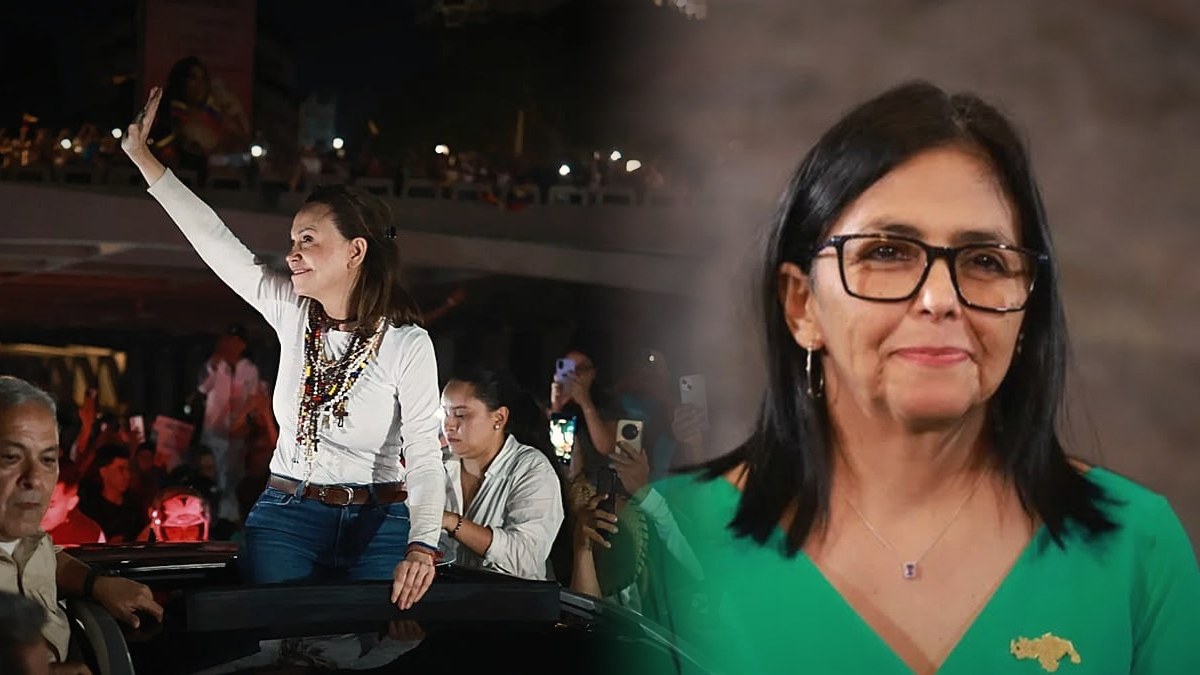
Machado returns to Venezuela after 10 months in exile, offers talks with interim President Delcy Rodríguez
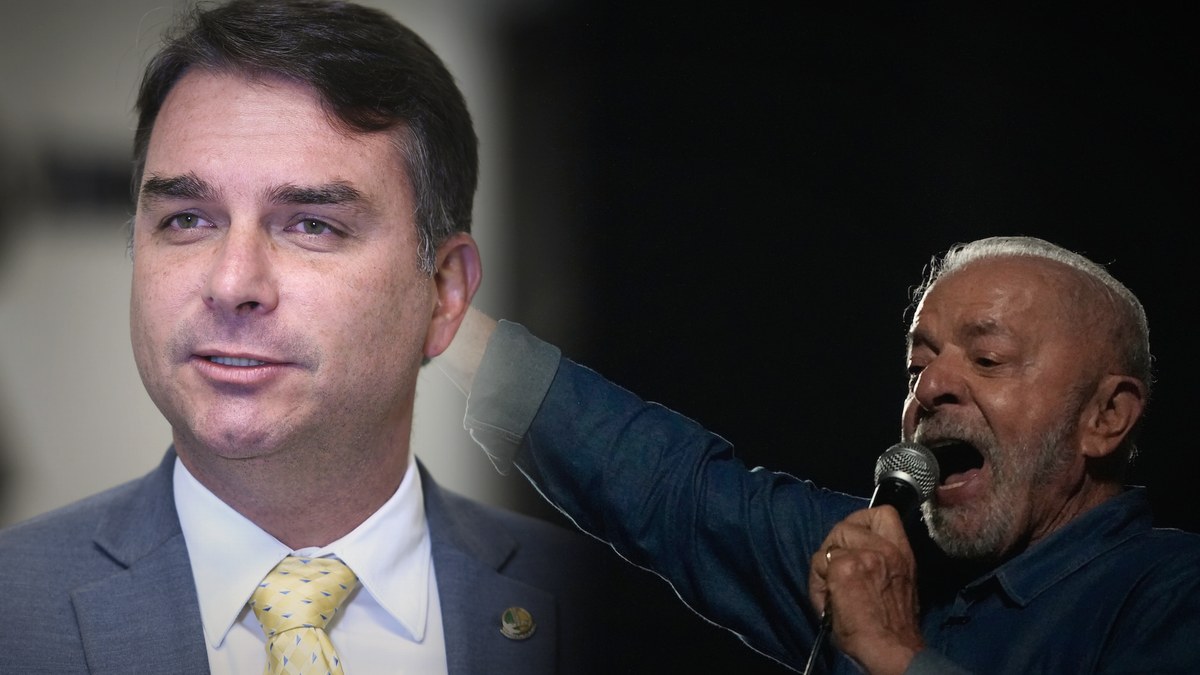
Lula wins record fourth term in Brazil as markets crash and Flávio Bolsonaro seeks annulment
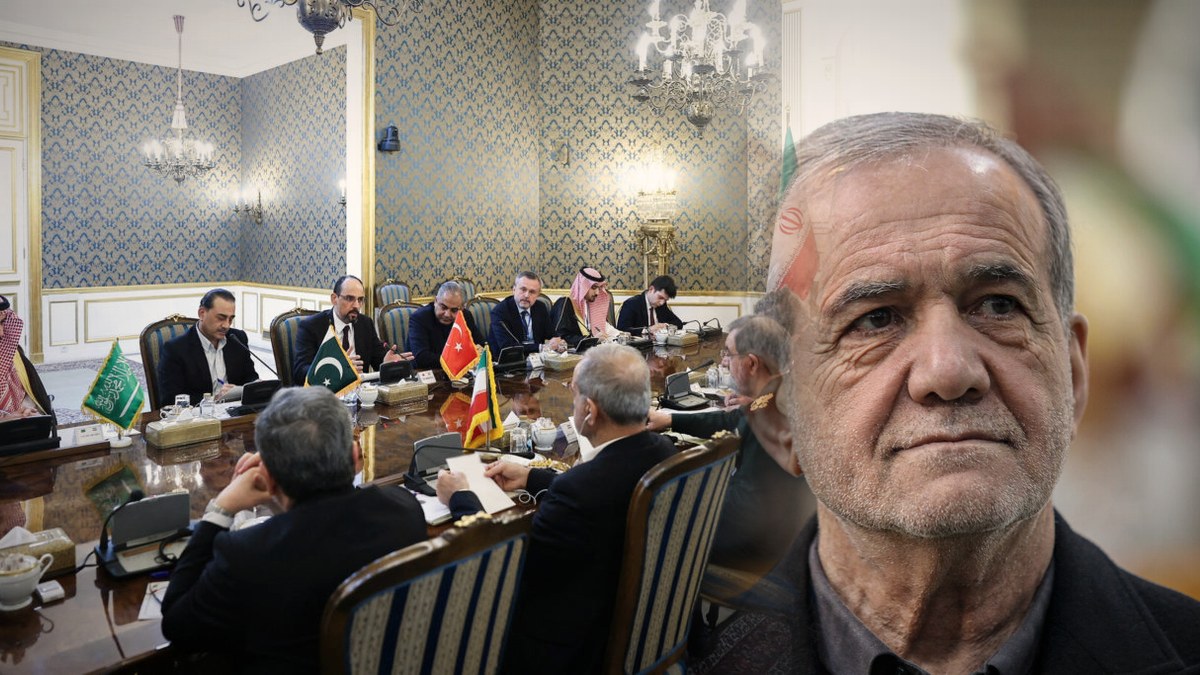
Saudi, Pakistani and Turkish envoys rush to Tehran to stop Iran war from reigniting
Israel votes as Eisenkot challenges Netanyahu in first election since October 7
UK sanctions 15 Sudanese army and RSF commanders on El Fasher anniversary, pledges £15 million in aid
Uganda and Kenya sign three tourism and trade deals at Mombasa summit, pitch 'Beach to Bush' holiday packages
Global Community Remarks
0