
Vanuatu urges overhaul of UN climate talks, warns COP31 could backslide
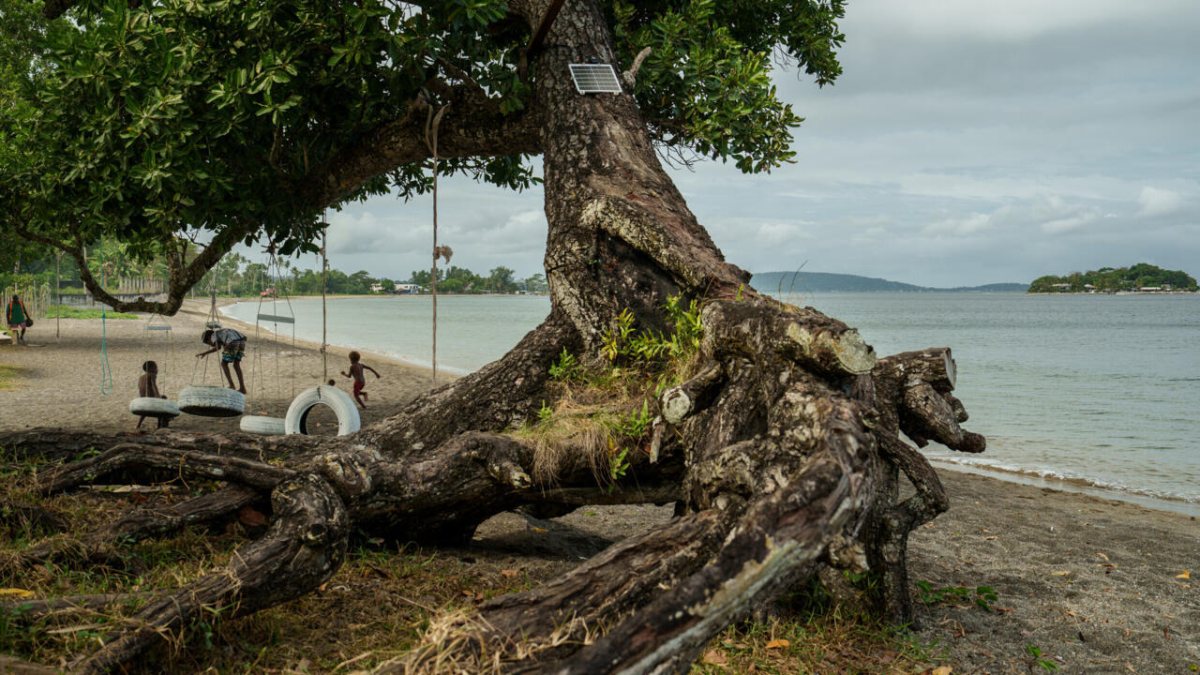
Vanuatu's Environment Minister Ralph Regenvanu has called for reform of the United Nations climate summit process. He accused a small number of countries of holding back progress and warned that the COP31 talks in Turkey could undo commitments previously agreed.
Speaking to AFP on Wednesday as the summit in Antalya entered its final days, Regenvanu said the way negotiations are run must change so that a minority of states can no longer frustrate the ambitions of the majority, according to France 24.
Naming the blockers
Unlike many leaders at the conference who chose to speak in broad terms, Regenvanu identified the countries he holds responsible. He pointed to the Arab bloc and the Like-Minded Developing Countries (LMDCs), a grouping of around 20 developing nations that includes Saudi Arabia and India.
UN climate talks operate by consensus, meaning a single party or bloc can stall decisions. According to France 24, some countries, including Panama, are pushing for majority voting as a way to break deadlocks.
Regenvanu, who leads Vanuatu's negotiations on climate, on a proposed global plastics treaty and at the International Court of Justice (ICJ), said obstruction was not limited to climate diplomacy. He argued it was occurring across multilateral processes, citing the plastics talks as an example. Those UN-backed negotiations began in 2022 but have so far failed to make headway.
Vanuatu secured an advisory opinion on climate change from the ICJ last year.
Pressure on multilateralism
The minister said multilateral cooperation was under strain worldwide, blaming this in large part on US President Donald Trump. The United States, which withdrew from climate negotiations under Trump, is again absent from the COP this year. Discussions in Antalya are also being affected by several geopolitical tensions between countries, France 24 reported.
Regenvanu said his delegation had arrived with high ambitions but realistic expectations, acknowledging that the negotiating environment was very difficult.
On climate finance, he conceded that the divide between developed and developing nations was deep and close to unbridgeable. Even so, he said that the most vulnerable countries had a responsibility to try to build bridges between the two sides.
Small islands on the front line
Vanuatu belongs to the Alliance of Small Island States (AOSIS), a coalition of Pacific and Caribbean nations that has historically been among the most ambitious voices in climate talks, at times threatening to walk out when progress stalled. Its members face some of the most severe impacts of a warming planet, including rising sea levels and stronger storms.
Regenvanu warned that COP31 carried a serious risk of reversing earlier gains, saying that issues once considered settled had unexpectedly been reopened.
"Things we thought couldn't be threatened, that were agreed, are suddenly on the table," Regenvanu told AFP.
He described the situation as disappointing but said it was the reality negotiators were confronting in Antalya.
The outcome of the summit will be closely watched by climate-vulnerable regions, including many African countries, which have long pressed wealthier nations for stronger emissions cuts and more climate finance.
This story was prepared by the Hamasta Newsdesk with AI assistance, based on reporting by France 24. Read the original report. Photo: France 24.




Show the impact of your work.
Impact stories, campaign videos and community engagement for NGOs and programmes.

More in Environment
See all
Lake Bogoria irrigation project hits 95% as govt works to stop Baringo, Bogoria merging
William and Kate name Bhutan among five Earthshot Prize winners in Mumbai
Nairobi's 'Green City in the Sun' title at risk as construction boom fells trees
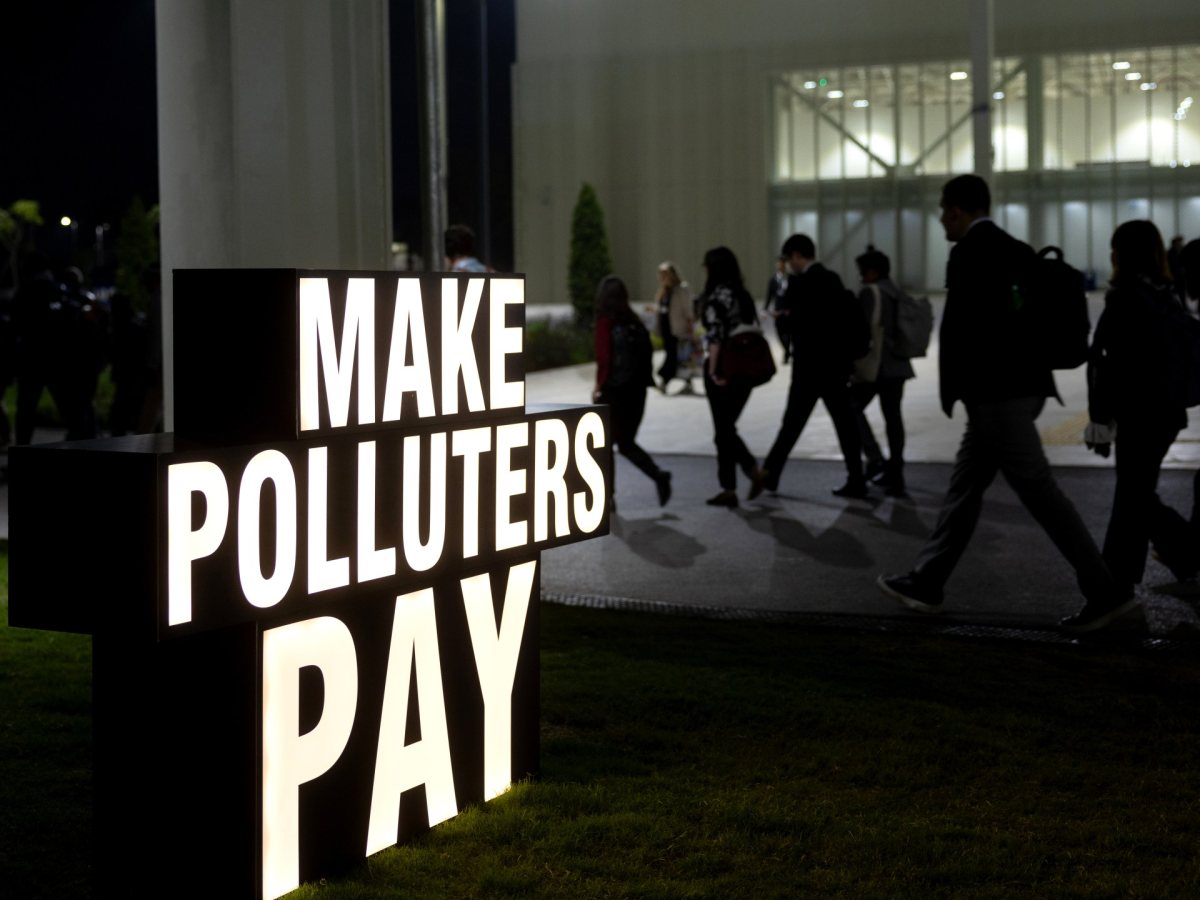
COP31 draft deal exposes rifts as fight over IPCC report timing deepens
Green Belt Movement Rejects Plan for Crematorium at Nairobi City Park
Global Community Remarks
0