
South African cities tighten water curbs as strong El Niño raises drought fears
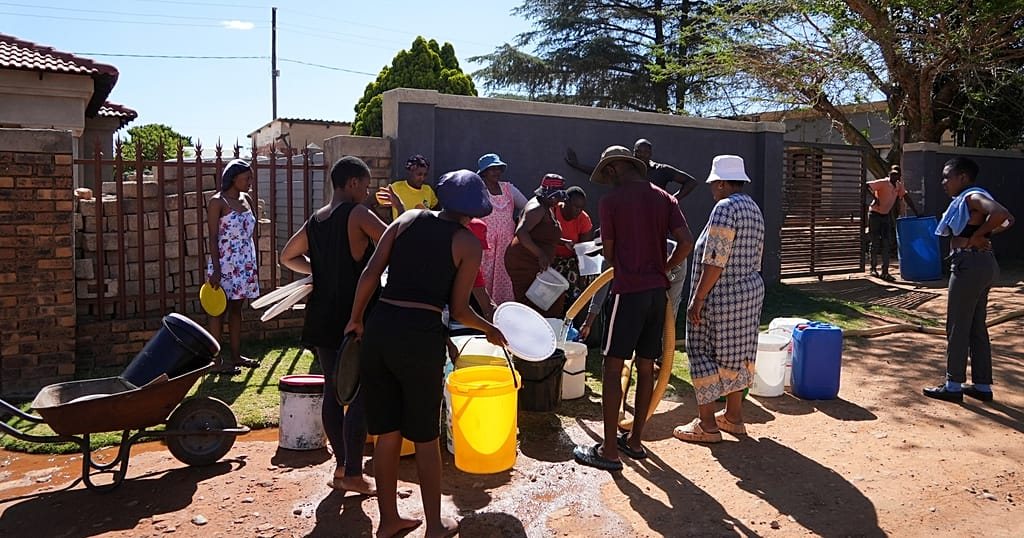
South Africa's biggest cities are clamping down on water use as a strengthening El Niño threatens to bring a hotter and drier summer, raising the risk of drought and adding strain to supply systems that are already under pressure, according to Africanews.
Authorities in Gauteng Province have imposed Level 2 water restrictions, covering Johannesburg and the Tshwane Metropolitan Municipality, home to the administrative capital, Pretoria. Cape Town is due to bring in Level 1 restrictions from December 1.
Johannesburg targets big cut in daily use
Johannesburg's municipal government estimates that the city must reduce its daily water consumption by 200 million litres to stabilise supplies and relieve pressure on its reservoirs, Africanews reported.
In Cape Town, the incoming Level 1 measures will require residents to cut their water consumption by 10 percent.
South Africa uses a tiered framework for water restrictions. The measures announced so far include:
- Level 1: controls that mainly target non-essential outdoor water use.
- Level 2: a ban on using municipal tap water to irrigate gardens and public green spaces.
- Higher tariffs: extra charges for households that exceed their allocated water-use limits.
Warning of a possible record El Niño
The restrictions follow a warning from South Africa's weather service that the current El Niño event could be among the strongest ever recorded. Forecasters expect below-average rainfall and above-average temperatures over the coming summer months.
El Niño is a naturally occurring climate pattern linked to the periodic warming of sea-surface temperatures in the central and eastern equatorial Pacific Ocean. It can upset normal weather patterns across the globe, making drought more likely in some regions and heavier rainfall more likely in others.
Ageing infrastructure compounds the problem
Ferrial Adam, executive director of WaterCAN, a Johannesburg-based community action network that focuses on water quality and related issues, told Africanews that the country's water troubles were being worsened by a mix of climate conditions and ageing infrastructure.
Adam described the current event as a "super El Niño" and said its effect on weather patterns typically results in hotter and drier conditions across the region.
"It creates different weather patterns, and so what we see is that you would get drier, hotter conditions."
Her comments point to a double challenge for South African municipalities: managing reduced rainfall while also contending with water networks that activists say are struggling to cope.
Concerns for farming and food prices
The threat extends beyond city taps. According to Africanews, there is growing concern about the impact on agriculture, with prolonged dry spells and extreme heat likely to hurt crop production.
Such conditions could push up food prices from March next year, deepening food security worries across southern Africa.
For now, the focus in South Africa's urban centres is on getting households and businesses to use less water before the hottest months set in. Officials hope that early restrictions will help protect reservoir levels and reduce the need for tougher measures later in the season.
This story was prepared by the Hamasta Newsdesk with AI assistance, based on reporting by Africanews. Read the original report. Photo: Africanews.




Know what people say about you.
Media monitoring, audience insights and strategic communication for your brand.


More in Environment
See all
Mauritius drought slashes farm output as El Niño heat drives up food prices
October 2026 Hottest on Record as Experts Warn El Niño Could Run Into 2027

ANC races to hold South Africa's big cities after worst-ever local election result

'Tired of the DA': ANC insiders say Ramaphosa wants the DA kept out of the cities as South Africa's unity government wobbles after its worst-ever vote

'I am not alone in this predicament': African beauty queens locked out of Miss Universe as US visa restrictions bite
Global Community Remarks
0