
Edwin Sifuna's rising popularity tests opposition ahead of 2027 race

Nairobi Senator Edwin Sifuna is fast becoming one of the most talked-about figures in Kenyan politics. A growing number of young supporters see him as a potential presidential candidate for the 2027 election, even though he has not declared any intention to run, according to BBC News Africa.
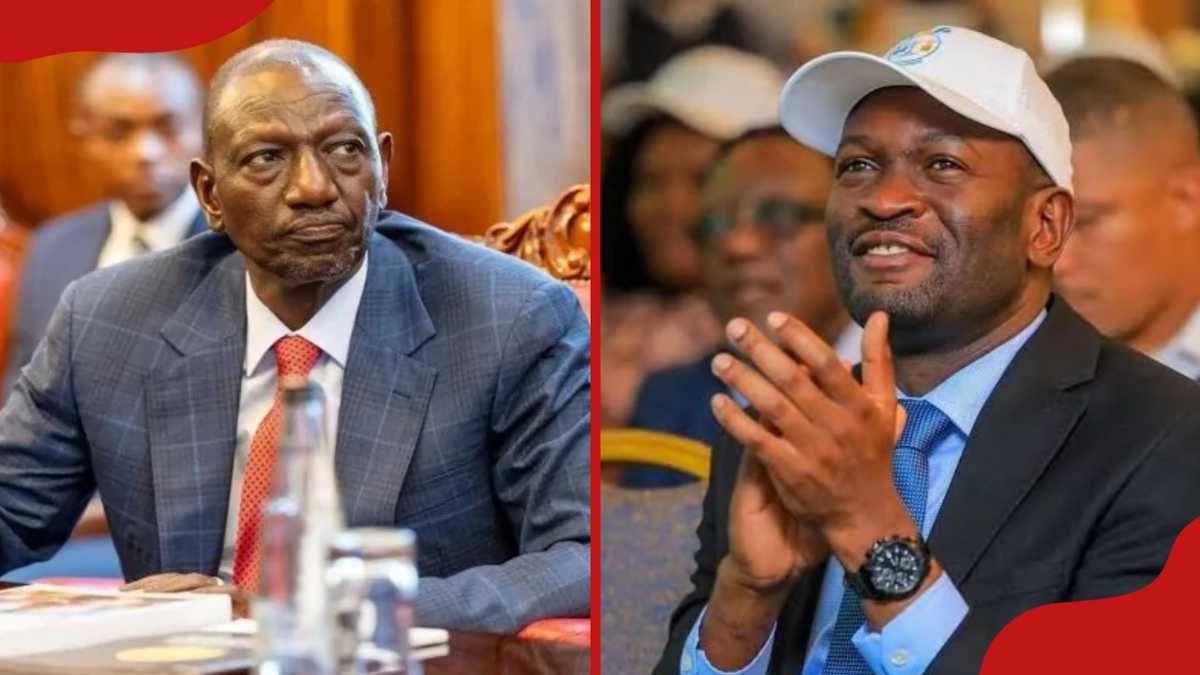
The 44-year-old first-term senator has built his following through fierce criticism of President William Ruto. Analysts say the excitement around him may be outpacing his actual political strength.
Reluctant to talk about State House
Sifuna has avoided questions about his ambitions. He says his immediate focus is building a united opposition able to defeat Ruto. Asked by journalists in Nairobi how he would turn popularity into votes, he replied: "Just hold your horses, those conversations will come way down the road."
His rise follows the death of veteran opposition leader Raila Odinga, his political mentor. Odinga appointed him secretary-general of the Orange Democratic Movement (ODM) in 2018.
After Odinga's death, ODM split over whether to keep cooperating with Ruto's government. Sifuna opposed the arrangement, arguing that the opposition should hold the government to account. The stance cost him the party post and a leadership role in the Senate. Instead of ending his career, the setback appears to have boosted his profile.
Voice of a frustrated generation
Political analyst Davis Ngemu says Sifuna has become a leading figure in the Linda Mwananchi movement. The movement's rallies have tapped into anger over the cost of living, high taxes and unemployment.
His message echoes grievances behind the 2024 youth-led protests against proposed tax increases. The BBC notes, however, that those protests were largely leaderless and there is no evidence the wider movement has united behind him.
Born in western Kenya in 1982, Sifuna trained as a lawyer. He lost the Nairobi Senate race in 2017 before winning by a landslide in 2022. Unlike many established politicians, he is not associated with the country's billionaire class.
A party and a platform
In October, Sifuna unveiled The Equitable Party (TEP), which named him party leader and endorsed him as its preferred presidential candidate should he run. The party is seeking to rename itself the Linda Mwananchi Movement, though the change faces administrative hurdles.
His pledges include:
- Scrapping the housing levy
- Removing VAT on fuel and electricity
- Tackling corruption and government waste
- Expanding opportunities for young people
He has also criticised deductions for the new health insurance scheme. He says a detailed manifesto is being prepared.
Ruto hits back
President Ruto has repeatedly mocked Sifuna at rallies, calling him "Mr Empty" and dismissing his outfit as the "empty party". The President says the senator offers no credible alternatives and warns that ending the housing programme would put jobs at risk. Ruto has also alleged that former President Uhuru Kenyatta is sponsoring Sifuna. Kenyatta has not publicly denied the claim.
Dilemma for the opposition
Former Vice-President Kalonzo Musyoka and former Deputy President Rigathi Gachagua have praised Sifuna. Gachagua has suggested he could serve as his running mate if the senator proves the strongest candidate.
Analysts say rival ambitions could complicate efforts to field a single candidate. Ngemu told the BBC the opposition must choose between Sifuna's youthful appeal and the regional networks of established leaders. Parties have until May 2027 to submit presidential nominees ahead of the 10 August vote.
Sceptics remain. Governance expert Prof Peter Kagwanja, who is married to a key Ruto ally, described Sifuna as a politician without a clear ethnic or regional voting bloc. He argued that young people online are not a constituency that can be negotiated with in alliance-building. Kagwanja did, however, rate him as strong cabinet material.
Commentators Macharia Gaitho and Barrack Muluka have both said Sifuna must convert his momentum into a lasting national movement to avoid fading away.
This story was prepared by the Hamasta Newsdesk with AI assistance, based on reporting by BBC News Africa. Read the original report. Photo: BBC News Africa.



Grow an audience that listens.
Social media management, digital campaigns and online storytelling that converts.



More in Politics
See all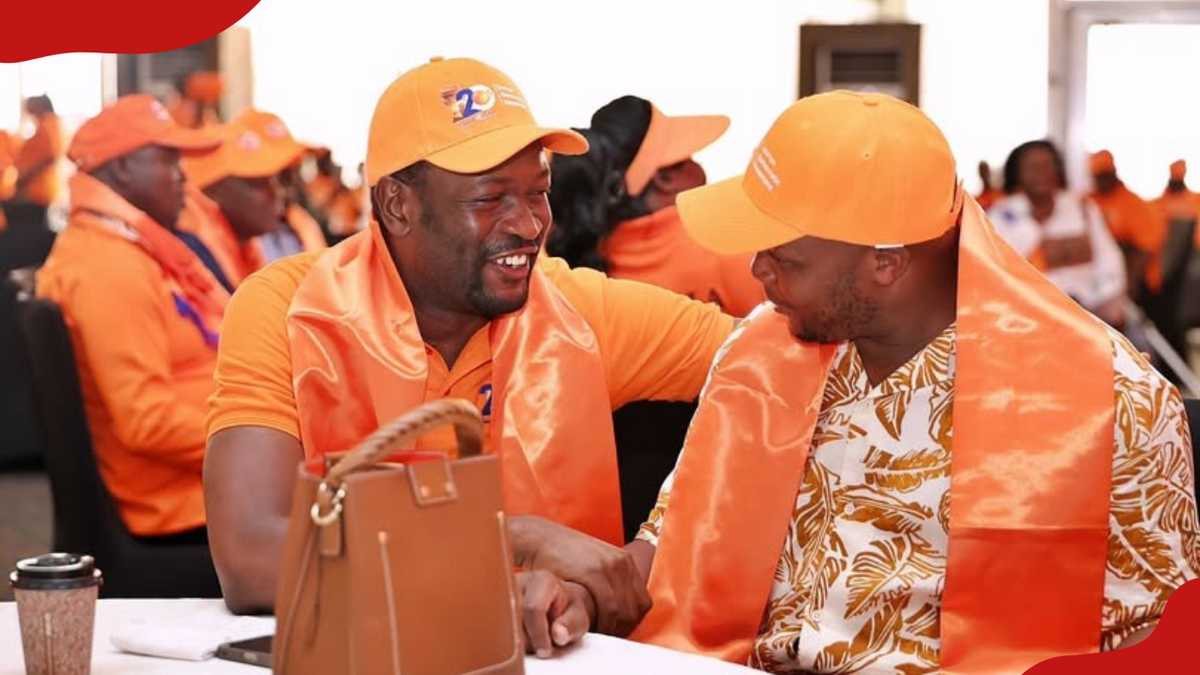
Linda Mwananchi supporters hit back at Jalang'o over call for Sifuna to rejoin ODM
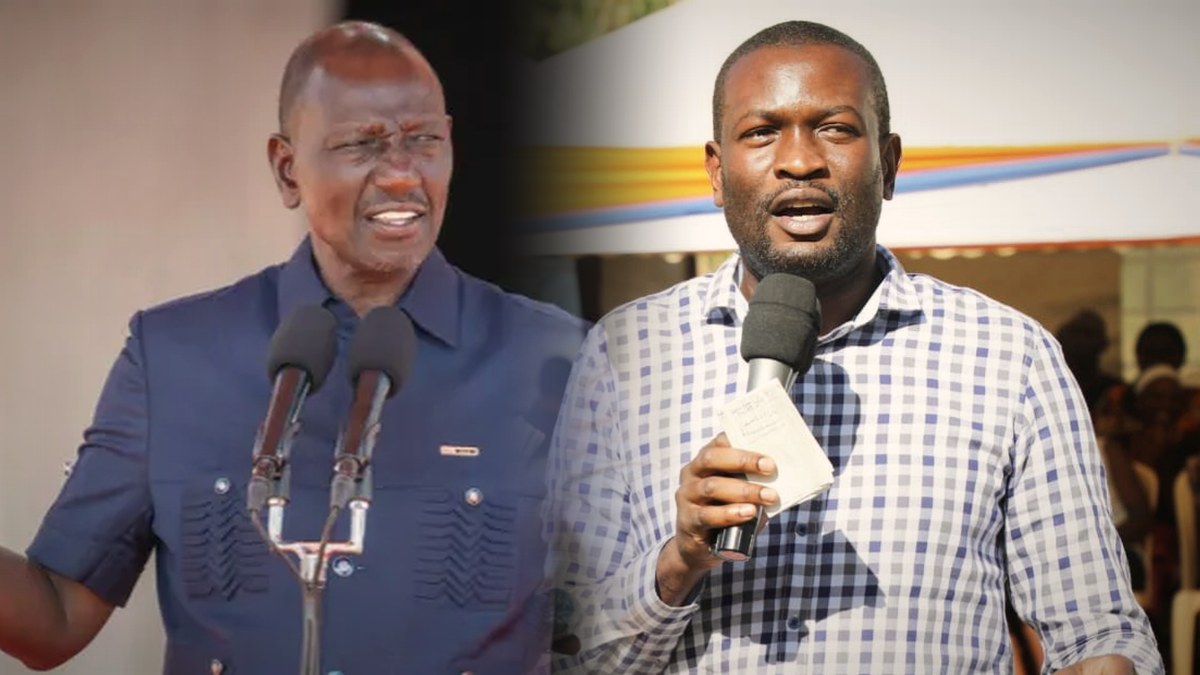
New poll: Ruto leads Sifuna by a single point as Linda Mwananchi overtakes UDA in party ranking
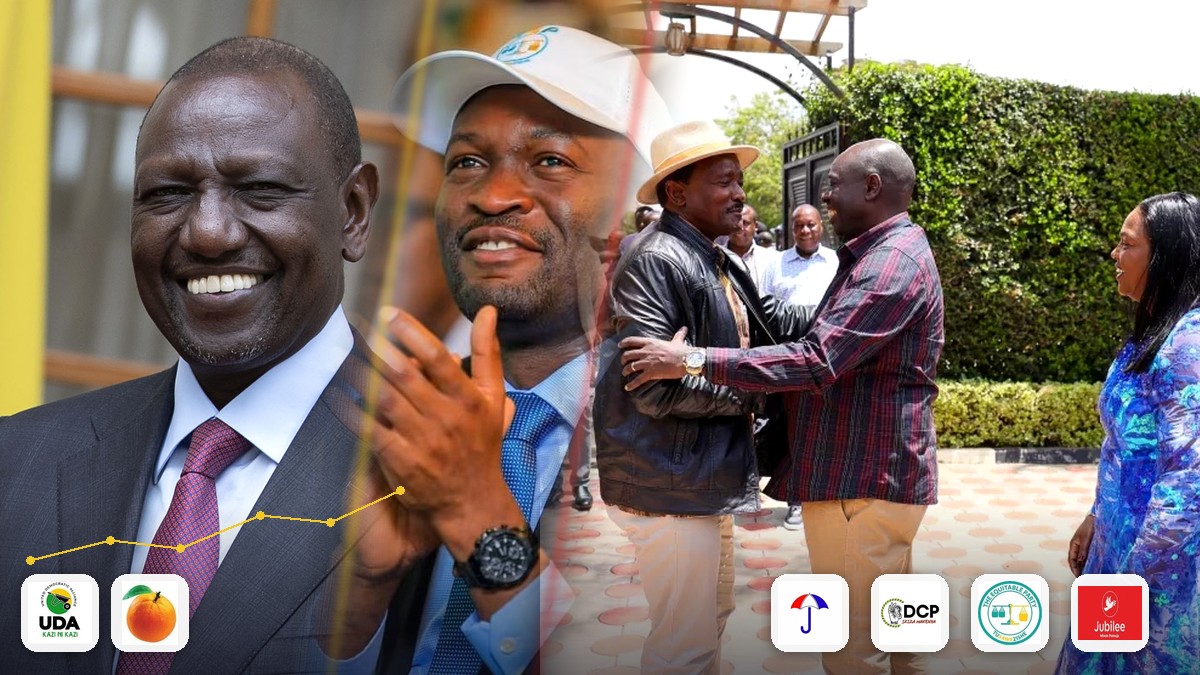
Road to August 2027: who will face Ruto, and how the numbers stack up
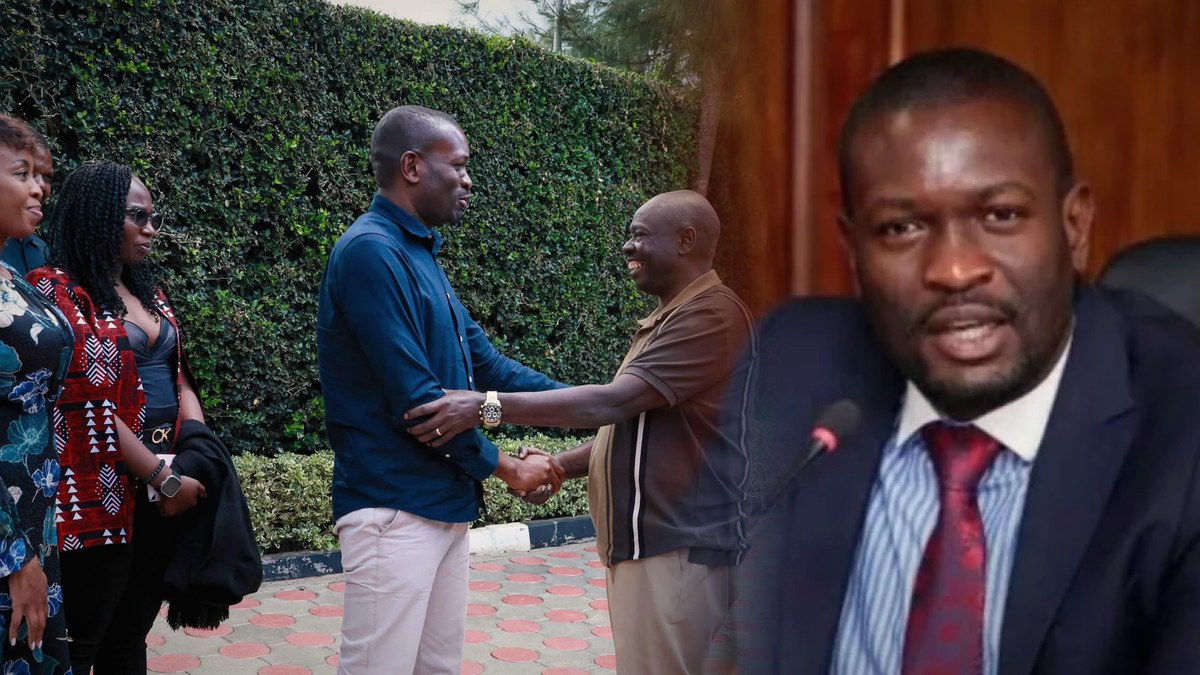
Inside Wamunyoro: Gachagua hosts Sifuna and Linda Mwananchi team to plot united 2027 opposition push

Sifuna denies betraying Babu Owino as Linda Mwananchi leadership row deepens
Global Community Remarks
0