
Uhuru’s Jubilee exit sparks defections ahead of 2027 elections
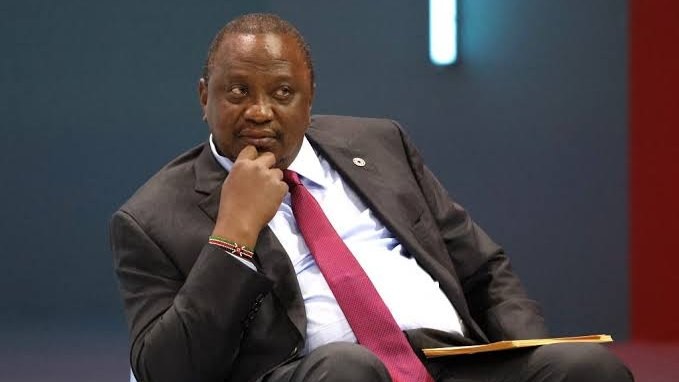
Former President Uhuru Kenyatta’s departure from the formal leadership of the Jubilee Party has triggered fresh political uncertainty, with defections emerging particularly in the Mt Kenya region, where the party previously enjoyed considerable support during his ten-year presidency.
The developments come as Jubilee struggles to consolidate its leadership and grassroots support ahead of the August 2027 General Election, raising questions about the party’s political direction following the transition from Uhuru to former Interior Cabinet Secretary Fred Matiang’i.
Leadership Transition Fuels Political Uncertainty
Uhuru relinquished the party leadership on September 22, 2026, during a leadership handover at Jubilee Party headquarters in Nairobi, handing over the interim leadership to Matiang’i following a National Executive Council meeting.
The transition followed a High Court ruling restricting retired presidents from holding formal leadership positions in political parties beyond the period permitted by law. Uhuru, however, retained his Jubilee membership and assumed a senior advisory role, allowing him to continue participating in party affairs.
The leadership changes were intended to strengthen Jubilee’s preparations for the 2027 elections, with Matiang’i expected to oversee party mobilisation, opposition engagement and political strategy.
Kioni’s Resignation Adds to Jubilee’s Challenges
The party’s internal uncertainty intensified on November 25, 2026, when former Ndaragwa Member of Parliament Jeremiah Kioni resigned as Deputy Party Leader, ending an 11-year association with Jubilee.
In his resignation letter addressed to Acting Party Leader Fred Matiang’i, Kioni cited his political journey and future ambitions, announcing that his departure would take immediate effect.
Kioni, who previously served as Jubilee Secretary General for four years, also disclosed plans to establish another political platform, signalling a possible shift in political alliances ahead of the 2027 elections.
His departure followed earlier disagreements over his role in the party’s new leadership structure. On November 16, he had expressed concerns about being excluded from Matiang’i’s political engagements and questioned Jubilee’s declining popularity in the Mt Kenya region.
Mt Kenya Political Influence at Stake
Jubilee’s political standing in the Mt Kenya region is emerging as a major concern following the leadership transition and growing internal divisions.
The region was a significant political stronghold for the party during Uhuru’s presidency, making the reported defections a potential challenge to its grassroots mobilisation and electoral influence.
The developments also place pressure on Matiang’i to unite party members, address internal disagreements and strengthen Jubilee’s appeal among voters as opposition leaders position themselves for the 2027 presidential contest.
December Convention Expected to Shape Party’s Future
Jubilee is scheduled to hold a Special National Delegates Convention on December 3, 2026, at the Jockey Club along Ngong Road in Nairobi.
The convention is expected to address party leadership structures, receive organisational reports and consider proposed constitutional changes, with the outcome likely to influence the party’s direction ahead of the next General Election.
As political realignments continue, Jubilee faces the challenge of maintaining its identity, retaining influential members and rebuilding confidence among its supporters amid growing competition within the opposition.

Tell your story on screen.
Commercials, documentaries, interviews and social video, from script to final cut.





Read also
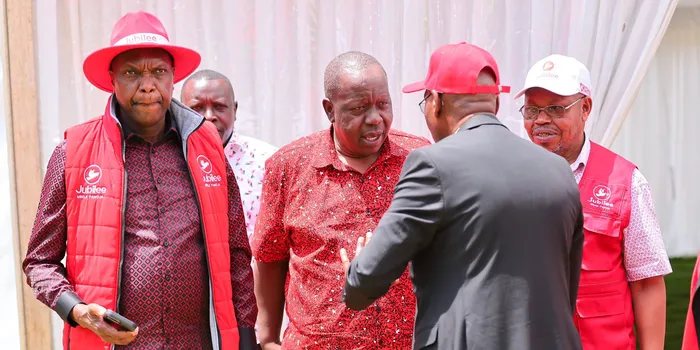
Jeremiah Kioni Quits Jubilee Party After 11 Years, Eyes New Political Path
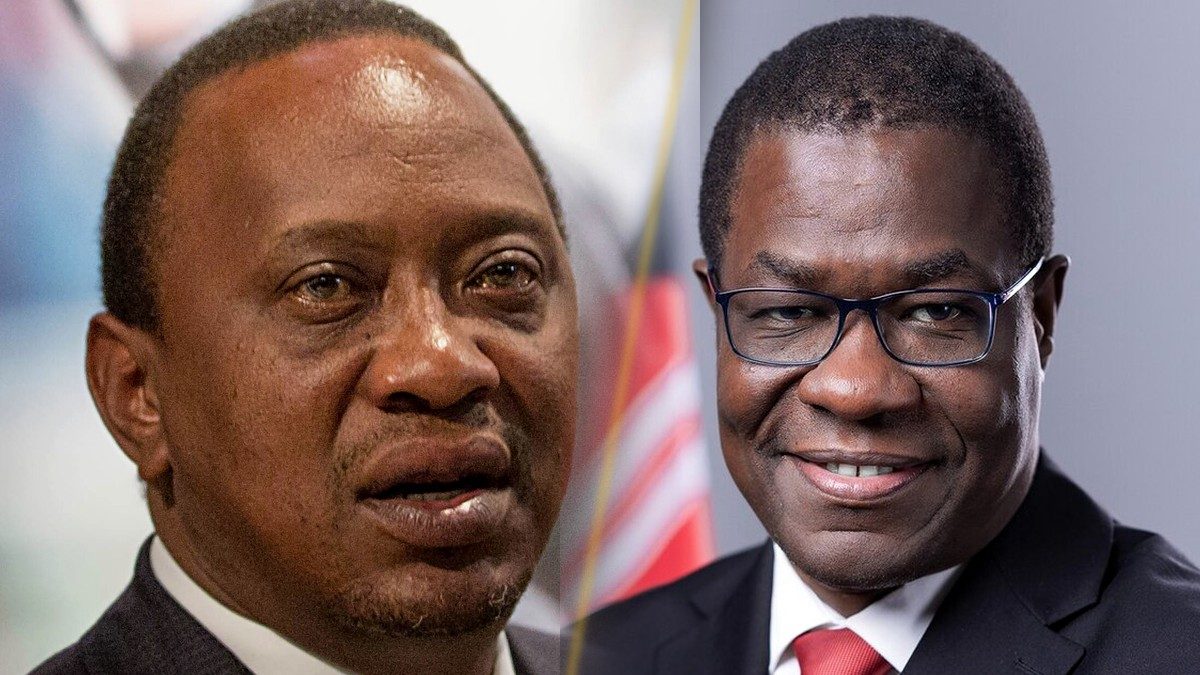
'This country gave you ten years, be thankful': Wandayi and Ruto's ODM allies gang up on Uhuru over his opposition unity push
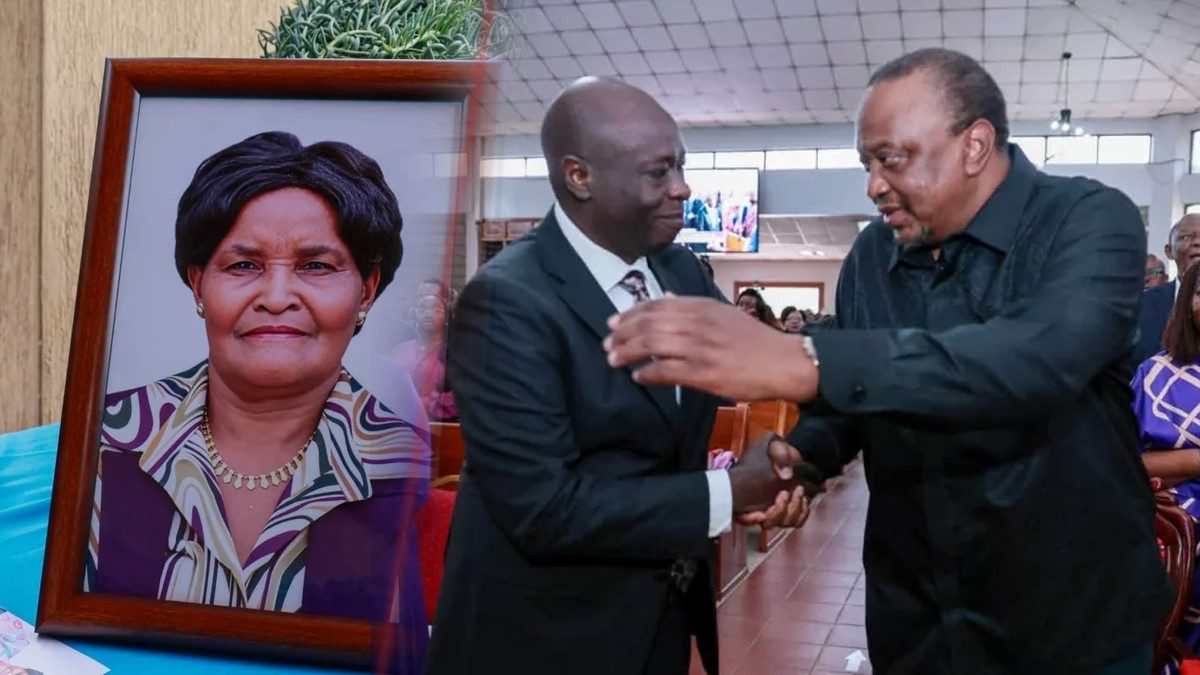
A handshake at a 90-year-old cousin's requiem: Uhuru and Gachagua share a warm moment in church, with Kalonzo and Wamalwa also in the pews
KENYAN POLITICS: RUTO’S 2027 RE-ELECTION BATTLE, OPPOSITION DIVISIONS AND THE FIGHT FOR POLITICAL POWER
Former Kiambu Governor James Nyoro Quits Jubilee for Gachagua's DCP
Global Community Remarks
0