
2,000 Walk in Nairobi to Champion Africa’s Animal Resources

Approximately 2,000 participants took part in an awareness walk in Westlands, Nairobi, on November 28, 2026, to promote the sustainable development of Africa’s animal resources and highlight their contribution to food security, economic growth and community livelihoods.
The event, organised by the African Union Inter-African Bureau for Animal Resources (AU-IBAR), in collaboration with Kenya’s Ministry of Agriculture and Livestock Development, brought together stakeholders from different sectors of the livestock value chain under the theme “Walking for Animal Resources, Livelihoods and Communities.”
Strengthening Africa’s Animal Resources
Speaking during the event, AU-IBAR
Director and Head of Mission, Dr. Huyam Ahmed Mohammed Elamin Salih, reaffirmed the organisation’s commitment to improving animal resource development across the African Union’s 55 member states.
Dr. Salih noted that the organisation had mobilised approximately 100 million euros over the past 15 years to support food security, livestock trade and disease control initiatives across the continent.
She highlighted the successful eradication of rinderpest as a major achievement, adding that efforts were underway to eliminate Peste des Petits Ruminants (PPR) globally by 2030.
The organisation is also targeting an increase of at least 10 per cent in intra-African livestock trade while promoting animal health, welfare and sustainable livestock value chains.
Government calls for continental coperation
Kenya's Ministry of Agriculture and Livestock Development, through Senior Deputy Director of Veterinary Services Dr. Sabenzia Wekesa, called on African institutions to strengthen cooperation in addressing challenges affecting animal production.
Dr. Wekesa observed that issues such as animal diseases, fodder shortages and limited resources require coordinated interventions involving governments, research institutions and development partners.
She reaffirmed Kenya’s commitment to supporting AU-IBAR's continental mandate, noting that Nairobi's position as a regional hub provides an important platform for strengthening partnerships among African institutions.
African Union Campus to Boost Coordination
The event also highlighted plans to complete the African Union Campus in Nairobi, which is expected to bring together five African Union institutions under a shared-services arrangement.
The institutions include AU-IBAR, AUDA-NEPAD East Africa, the African Institute for Remittances, ATMIS and PAUSTI.
According to Dr. Wekesa, the proposed arrangement is expected to minimise duplication, improve institutional efficiency and strengthen service delivery across the continent.
Focus on Livelihoods and Economic Growth
The awareness walk began at AU-IBAR headquarters and was accompanied by an open-day exhibition where participants showcased products and services within the animal resources sector.Organisers emphasised that investment in livestock, fisheries, aquaculture, apiculture and wildlife is essential to supporting rural households, creating economic opportunities and strengthening Africa's food systems.
The initiative seeks to encourage stronger continental partnerships and increased investment in animal resources as a foundation for sustainable development and improved livelihoods across Africa.


Take your event live to thousands.
Multi-camera live streams, panel discussions and digital broadcasts with professional crews.




More in Health
See all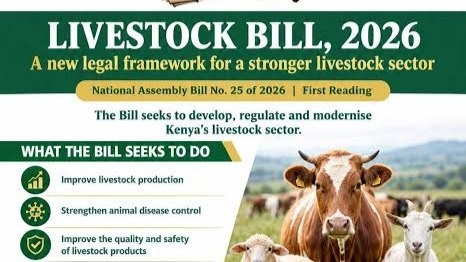
KVA Warns Livestock Bill 2026 Threatens Disease Control,Exports
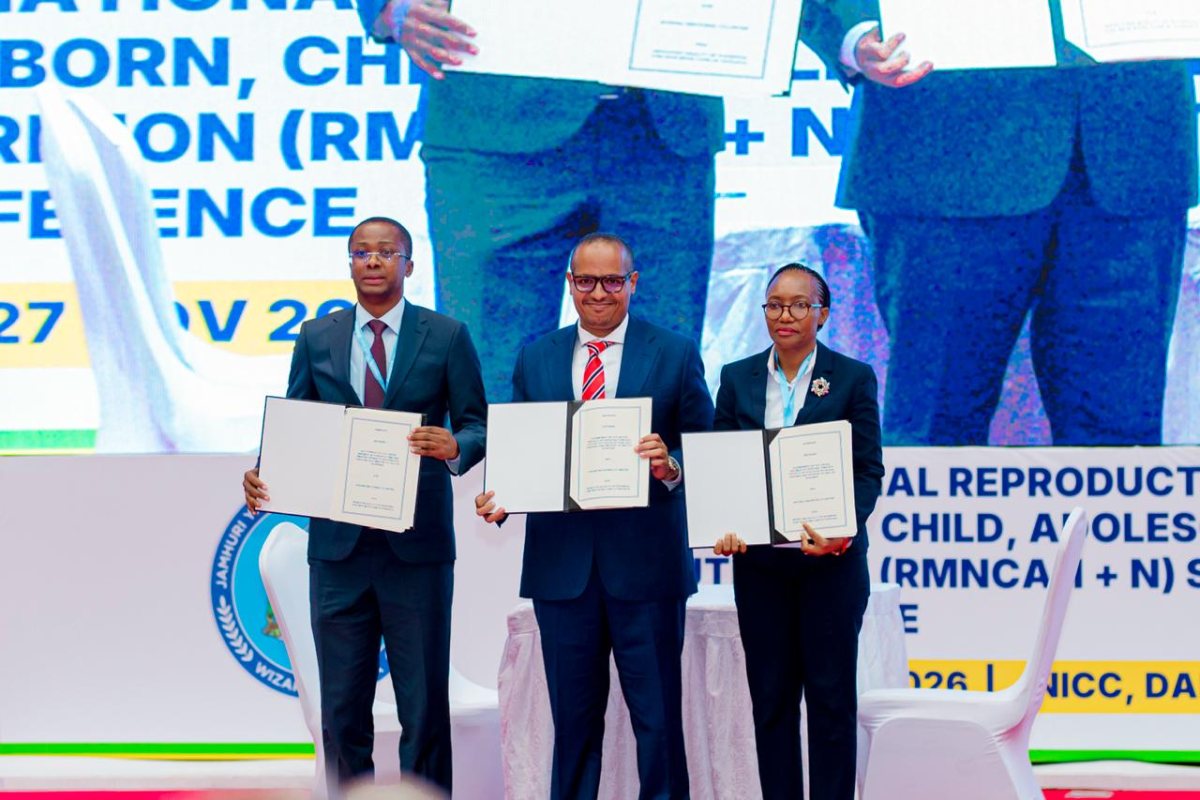
AMSONS Group pledges $38m for 11 maternity and newborn wards in Tanzania
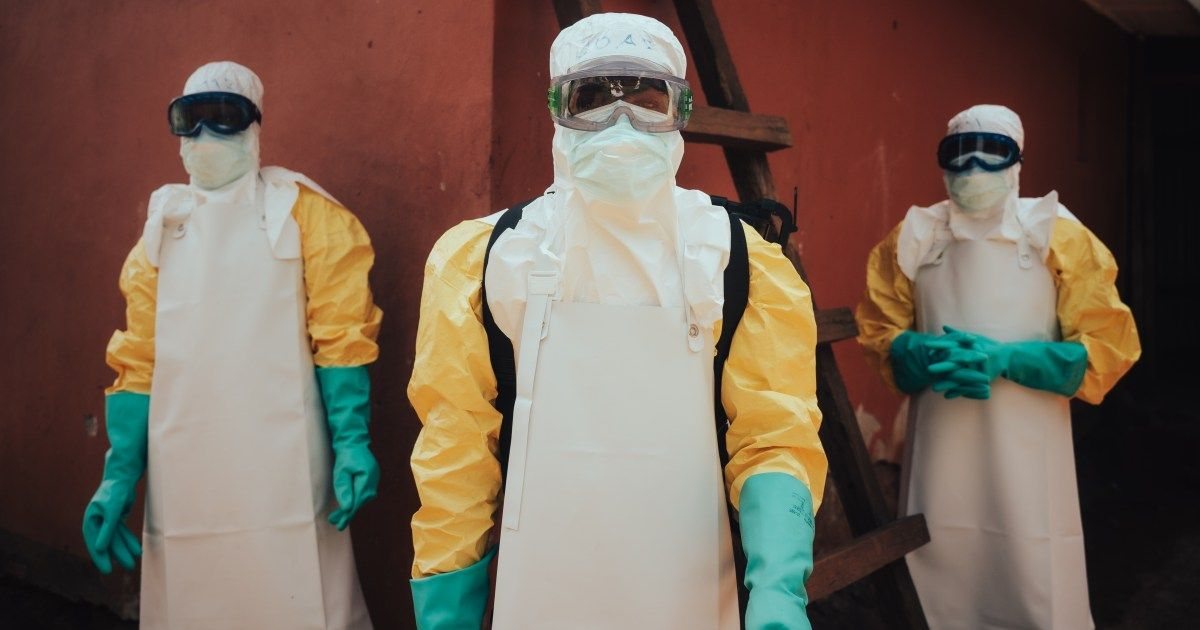
Congo's Ebola outbreak passes 5,300 deaths as war cripples the response
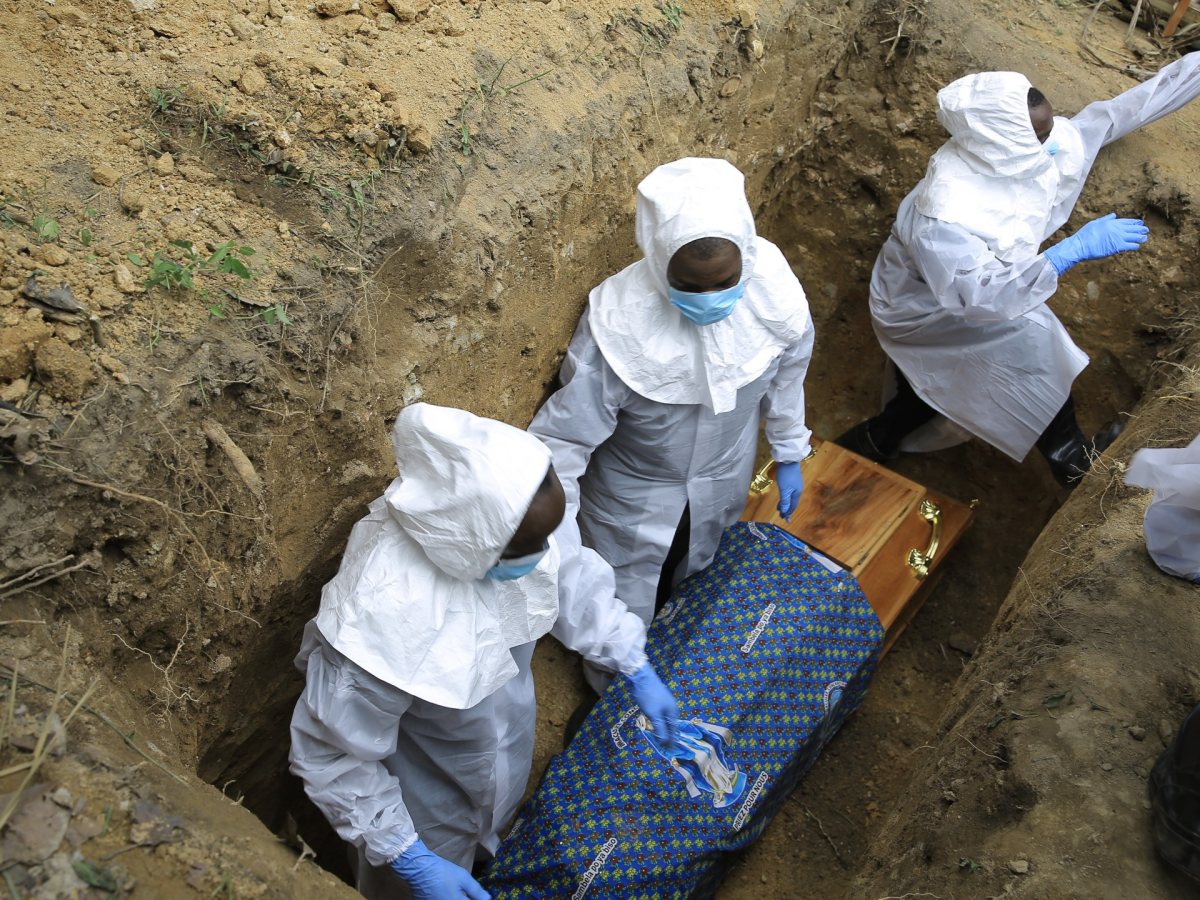
Uganda launches Africa's first mRNA Ebola vaccine trial, including children
SHA verifies NHIF pending bills for 448 facilities owed over Ksh10 million

Global Community Remarks
0